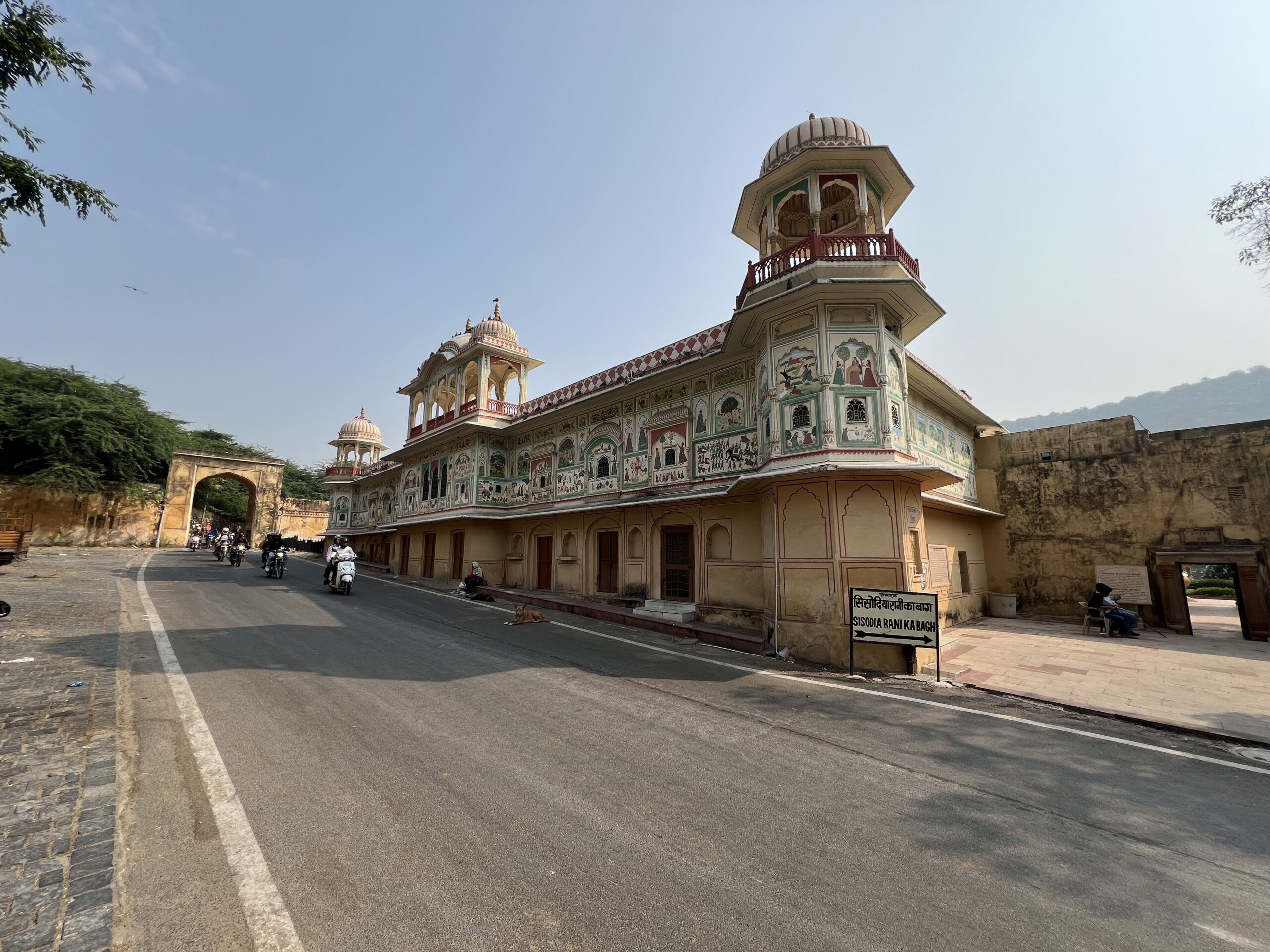
The short answer: For a first journey through Delhi, Agra and Rajasthan, November through February is often the most comfortable window. But India is a country of many climates. The best time to visit depends less on the calendar alone than on which India you hope to see.
I have traveled through India in different seasons, and one thing becomes obvious quickly: weather is never a small detail. It can shape the pace of a city, the comfort of a train journey and whether a mountain road is open at all. The season that makes Jaipur a pleasure may be the wrong season for a high Himalayan pass.
October to February: the classic travel season
As the monsoon retreats from much of the country, northern India’s plains gradually become easier to explore. By November, sightseeing in Delhi, Agra and Rajasthan is generally more pleasant than during the intense heat of late spring and summer. This is the season I would suggest first for travelers planning the familiar northern circuit.
There are qualifications. October can still be hot in Rajasthan. December and January bring cold nights to parts of the north, along with fog that can disrupt road, rail and air travel around Delhi and the Gangetic Plain. Air pollution can also be severe in northern cities during the cooler months. Pack for the actual route, not a single national forecast.
Further south, the picture changes. Goa’s generally drier beach season arrives toward late autumn, while Kerala often becomes especially inviting in the winter months. Tamil Nadu’s eastern coast, however, receives substantial rain from the northeast monsoon, often in October through December. ‘Winter in India’ does not mean the same thing everywhere.
March to May: heat in the plains, opportunity in the hills
By March, temperatures begin climbing across much of northern and central India. April and May can be punishing in Delhi, Rajasthan and other lowland destinations, particularly for anyone hoping to spend long days walking through forts, markets and monuments.
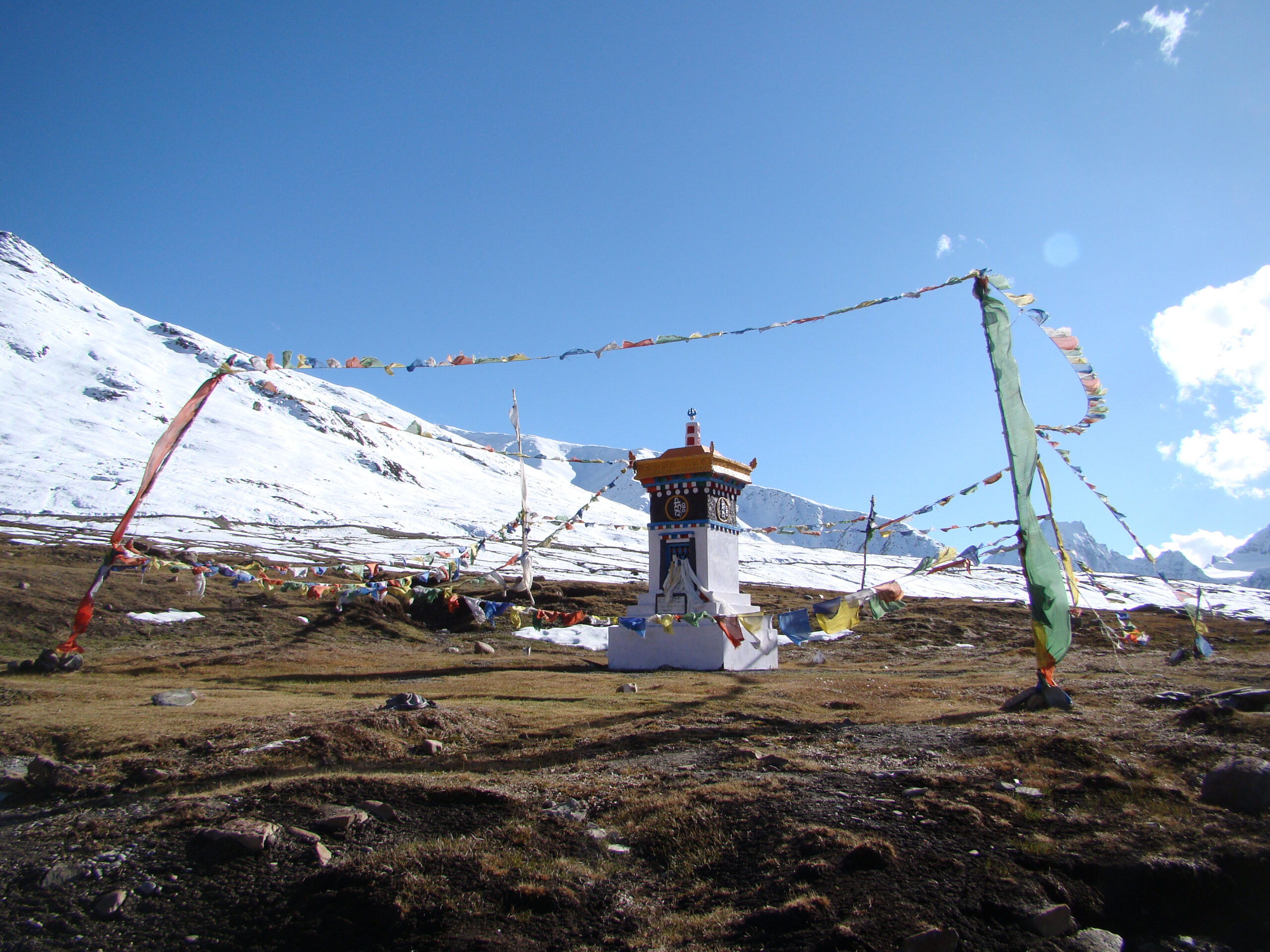
That does not mean you should rule out the season entirely. Hill stations and lower Himalayan regions can offer a welcome change of pace as spring advances. Some higher-altitude routes reopen later, depending on snow and local conditions; never assume a mountain pass will be accessible simply because the plains are hot.
There can be fewer international visitors in some places, but a cheaper hotel is not always a bargain if the afternoon heat keeps you indoors. Plan early starts, generous breaks and realistic travel days.
June to September: traveling with the monsoon
The southwest monsoon typically reaches Kerala around the beginning of June and progresses across much of India over the following weeks. Rainfall varies dramatically by region, year and even neighborhood. Some days bring brief downpours; others bring persistent rain, flooding or transport disruption.
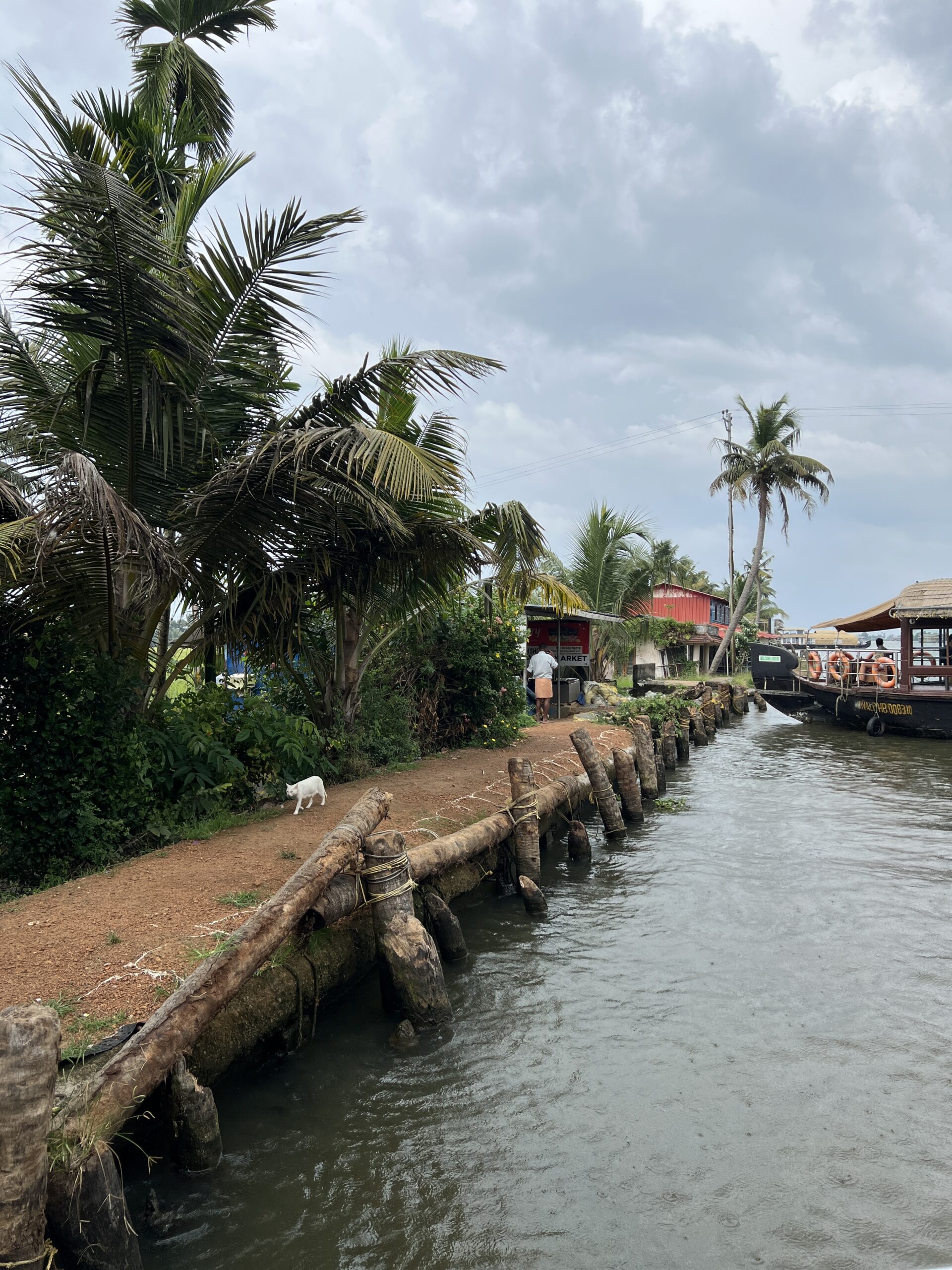
The monsoon is not simply a season to avoid. Landscapes turn green, waterfalls swell and some destinations take on a character you will never see in the dry months. But the trade-offs are real: slippery trails, landslides in vulnerable mountain areas, rough seas, swollen rivers and unexpected delays.
Some high-altitude areas in the trans-Himalayan rain shadow, including parts of Ladakh, are often best approached in summer, when access is more practical. That is a very different proposition from a beach holiday in Goa in July. Research your specific region and keep flexibility in your itinerary.
When should you visit each region?
| Region | Often a good window | What to know |
|---|---|---|
| Delhi, Agra and Rajasthan | November–February | Comfortable sightseeing weather; winter fog and pollution are possible. |
| Goa and much of the west coast | November–February | Generally drier beach weather; peak-season crowds and prices. |
| Kerala | December–February | Often more comfortable for coastal and backwater travel; hill areas differ. |
| Tamil Nadu and the southeast coast | January–March | Watch for northeast-monsoon rain in October–December. |
| Himachal Pradesh and Uttarakhand | April–June and selected autumn weeks | Elevation matters; monsoon landslides and winter closures affect some routes. |
| Ladakh and high-altitude routes | June–September, route-dependent | Short access season; altitude and road conditions require careful planning. |
| Northeast India | Often October–April | Conditions vary widely between states and elevations; heavy summer rain in many areas. |
These are broad planning windows, not promises. Check local forecasts, road status and current advisories before committing to an itinerary.
Festivals can change the equation
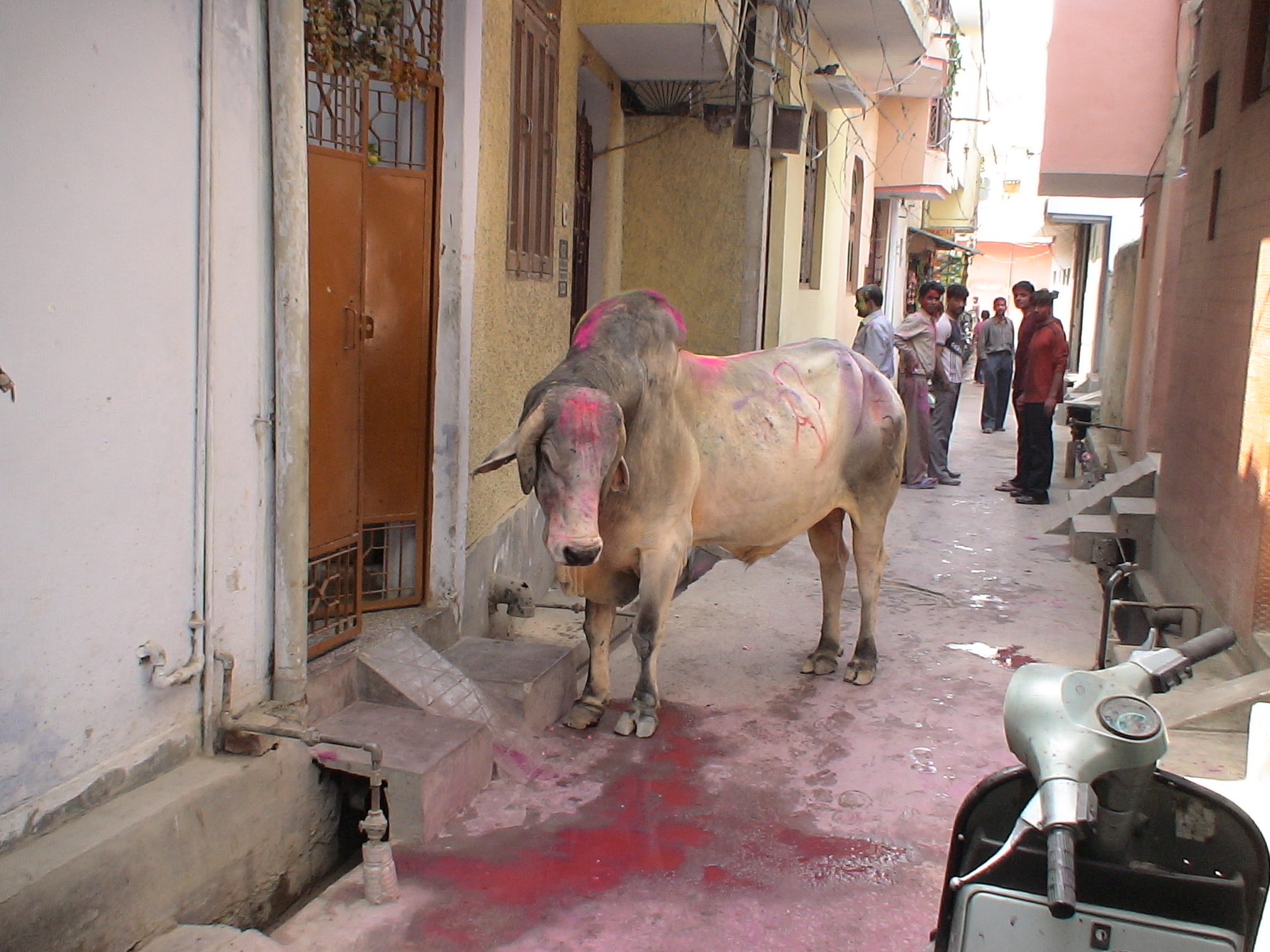
Some of India’s most memorable travel experiences happen around festivals. Diwali, Durga Puja, Dussehra, Holi and regional celebrations can bring extraordinary energy to a place. They can also mean crowded transport, higher hotel rates, business closures and changes to the usual rhythm of a city.
Festival dates move from year to year, and celebrations differ by region. If a festival is central to your trip, plan around its confirmed dates rather than assuming it falls in the same week every year.
My preferred time to travel in India
If I were planning a first visit focused on Delhi, Jaipur, Agra and nearby destinations, I would start with November. The fiercest heat is generally behind you, and the days lend themselves to exploring. For a journey that continues to Goa or Kerala, late November into December can make a particularly appealing progression from north to south.
That is a preference, not a rule. If your dream is a Himalayan summer, a monsoon-green landscape or a specific festival, your ideal dates will be different. Choose the experience first, then the season.
And remember that India rarely rewards an itinerary packed too tightly. Leave space for weather, delays and the discoveries you did not know to plan for. Those moments have a way of becoming the ones you remember.