Puducherry, Four Districts and One Remarkable History
French colonial streets, Tamil markets, Malabar rivers and the Godavari delta.
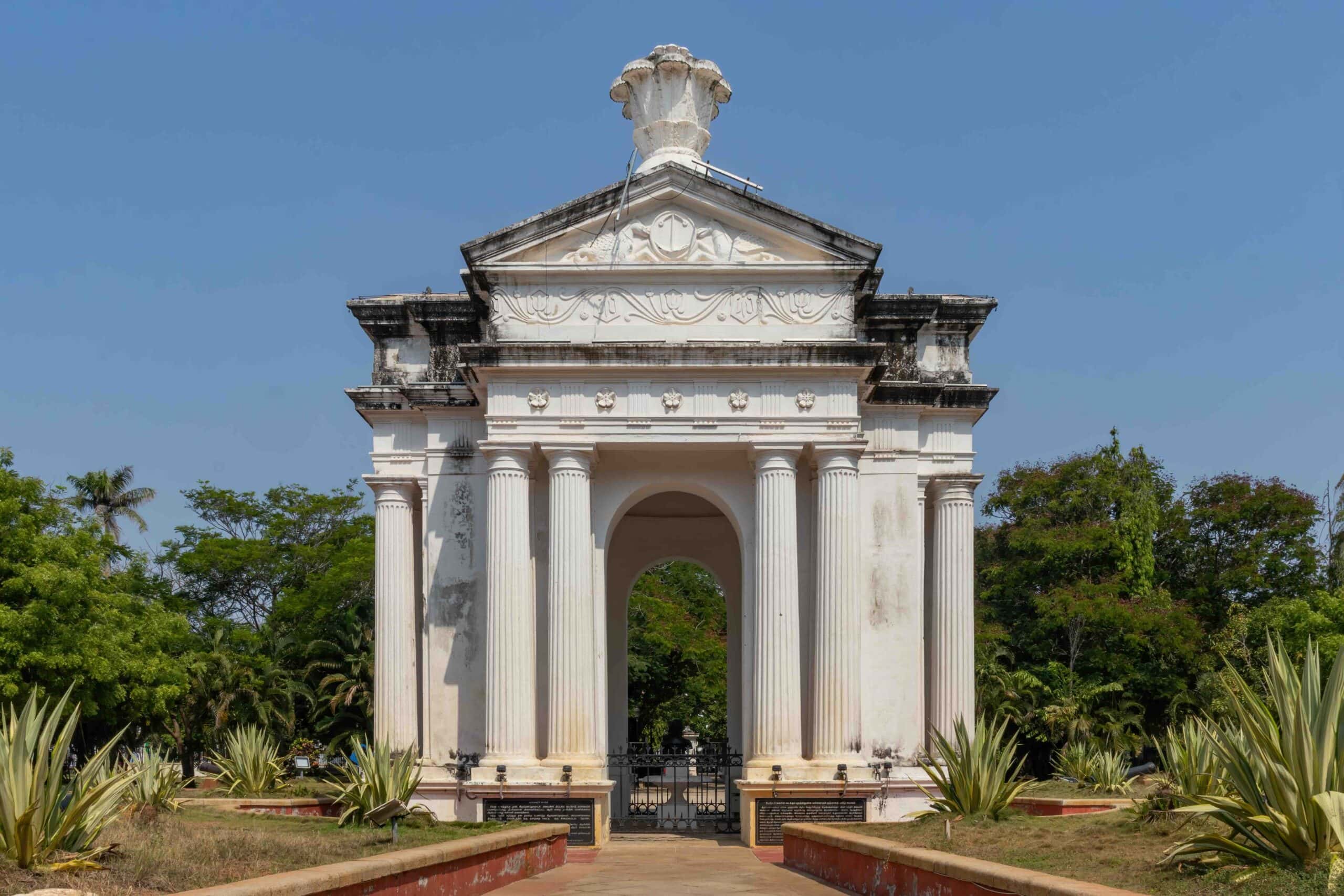
Puducherry is unlike any other Union Territory in India. Its four districts are scattered along two coastlines, separated by hundreds of kilometers and surrounded by Tamil Nadu, Kerala and Andhra Pradesh. What connects them is an unusual chapter of Indian history: more than two centuries of French colonial rule.
The former French Quarter of Puducherry city gets most of the attention, and understandably so. Mustard-yellow buildings, shaded boulevards, old churches and colorful bougainvillea give parts of the city an appearance unlike anywhere else in southern India. Walk a few streets inland, however, and the French influence gives way to Tamil markets, Hindu temples, busy commercial streets and everyday Indian life.
Beyond the capital, the territory becomes considerably more interesting. Karaikal is shaped by the fertile Cauvery delta, where rice cultivation, fishing and temple traditions remain central to local life. Mahe, surrounded by Kerala, belongs culturally and linguistically to the Malabar Coast. Yanam, on the Godavari delta in Andhra Pradesh, is unmistakably Telugu in character.
These aren’t four variations of the same destination. They’re four distinct communities whose shared French history left them with a common administrative identity.
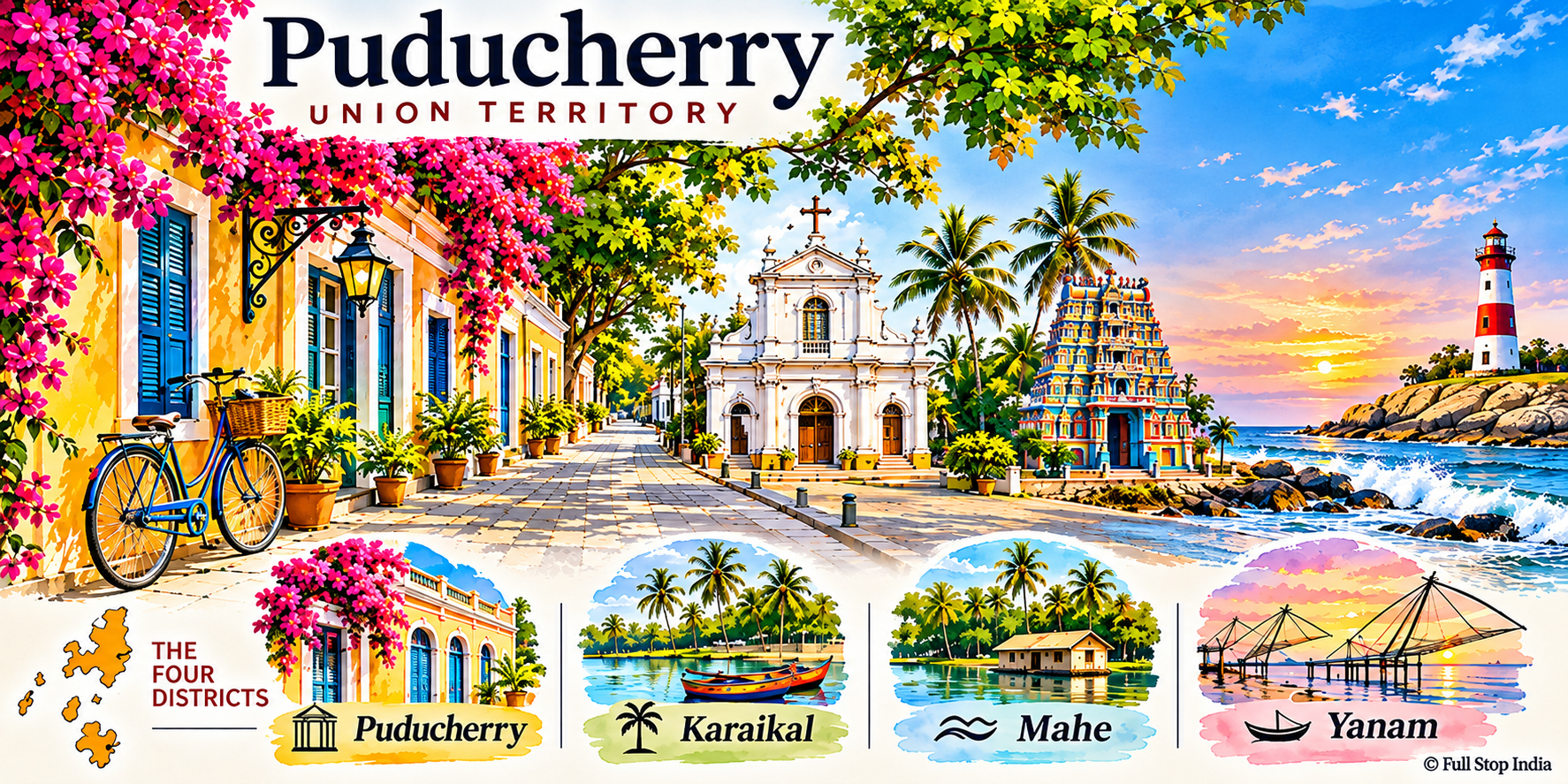
Four districts, three neighboring states
The four districts are not connected by land. Puducherry and Karaikal sit within Tamil Nadu, Mahe is surrounded by Kerala, and Yanam lies within Andhra Pradesh. To understand their differences, it helps to visit each on its own terms.
For the administrative background, see States vs. Union Territories: What’s the Difference?

01 / Puducherry District
French façades, Tamil streets
The capital is the territory’s best-known destination, but its appeal extends well beyond the pastel façades of White Town. The seafront promenade, Bharathi Park, old churches and tree-lined streets invite a slow walk. Just beyond the heritage quarter, markets, neighborhood temples and busy commercial streets tell a much more Tamil story.
The city is also an administrative, educational and medical center. Tourism, hospitality, retail, small manufacturing and services provide employment, while fishing communities continue to work along the coast. Sri Aurobindo Ashram has shaped the city’s spiritual reputation; nearby Auroville is closely associated with Puducherry but lies principally in Tamil Nadu.

02 / Karaikal District
Life in the Cauvery delta
South of Puducherry city, Karaikal is a very different kind of coastal district. The Cauvery delta supports rice cultivation and other agriculture, and the fishing harbor links coastal households to the sea. Its towns are tied closely to the surrounding Tamil-speaking countryside.
Karaikal is known for the Karaikal Ammaiyar tradition and the pilgrimage center at Thirunallar, dedicated to Lord Shani at the Dharbaranyeswarar Temple. The district also has a commercial port and associated transport activity. It deserves attention as a working agricultural and maritime district, not merely an excursion from Puducherry.
03 / Mahe District
A little piece of Malabar
On the Arabian Sea coast, Mahe is surrounded by Kerala and feels culturally much closer to its Malabar neighbors than to the territory’s Tamil districts. Malayalam is the everyday language, and local food, religious practices and town life reflect northern Kerala.
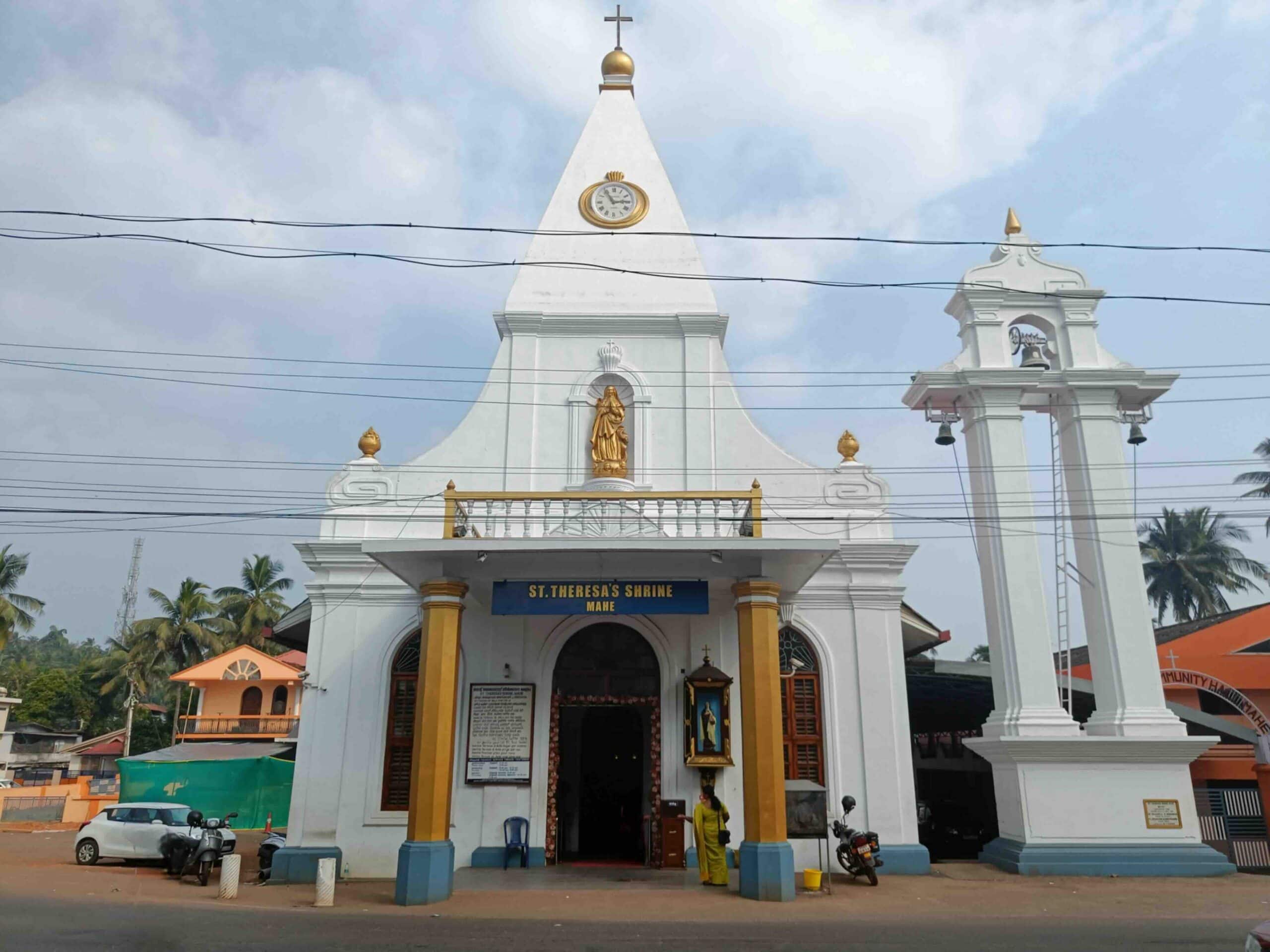
The Mahe River meets the sea here, and the compact district is closely linked to nearby Thalassery. Fishing, trade, retail and services contribute to its economy. French-era buildings and St. Teresa’s Shrine are reminders of its administrative history, but the district’s living character is unmistakably Malabari.
04 / Yanam District
Telugu country on the Godavari
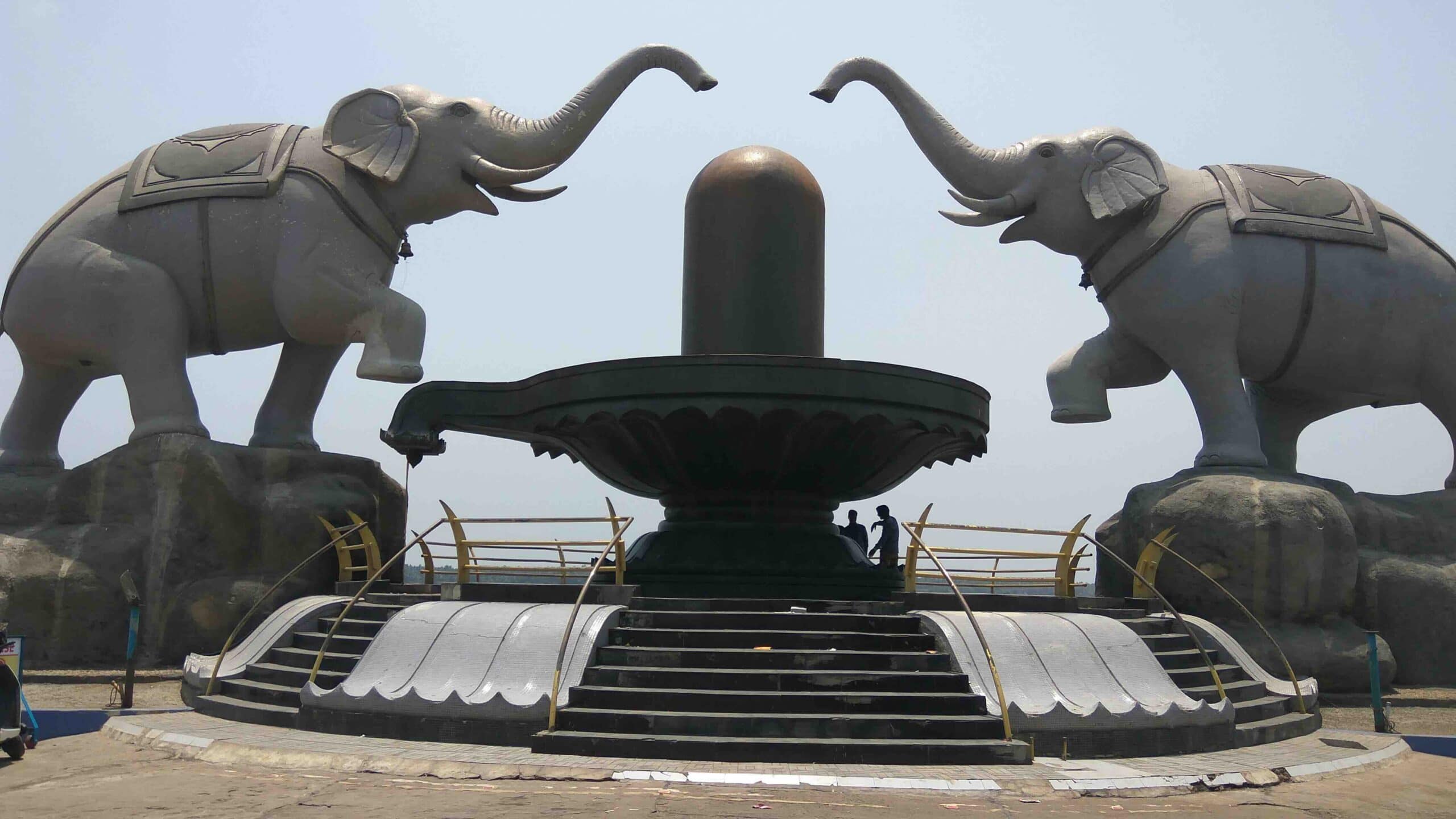
Yanam sits beside the Godavari delta, surrounded by Andhra Pradesh. Telugu dominates daily conversation, food and local traditions. Its riverside setting, waterways and neighboring villages give it a character far removed from the French Quarter of Puducherry city.
Fishing, aquaculture, agriculture, trade and public services shape local livelihoods. A walk along the riverfront gives visitors a sense of the district’s relationship with the Godavari, while local temples and festivals connect Yanam to the wider cultural life of coastal Andhra Pradesh.
Getting to Puducherry
By air
Chennai International Airport (MAA) is the principal major-airport gateway for most visitors to Puducherry city. Puducherry Airport (PNY) has limited services that can change; check the current schedule before planning around it.
By train
Puducherry railway station (PDY) connects to the wider rail network. Villupuram Junction (VM) is an important connecting station. For schedules and tickets use IRCTC.
By bus
Road connections from Chennai and other Tamil Nadu cities are commonly used. TNSTC provides official Tamil Nadu bus booking information.
When to go and where to stay
My first—and so far only—visit to Puducherry was in 2010. By mid-March, the heat and humidity were oppressive. I’d plan a return for November through February, when wandering the city on foot is considerably more pleasant.
Find somewhere to stay near the water, preferably within walking distance of the seafront promenade. The slow evening strolls are one of my favorite memories: families out after dark, vendors selling everything from balloons to ice cream, and the welcome relief of a sea breeze. Don’t miss them.
Then give the narrow lanes of the old town some time. Brilliant architectural details are tucked away here and there, often on streets you might otherwise pass without a second glance. They take patience to discover—and are much more enjoyable when you’re not dripping with sweat.
The other three districts are separate destinations, not convenient day trips from Puducherry city. Karaikal makes sense for exploring the Cauvery delta and Thirunallar, while Mahe and Yanam are better incorporated into journeys through Kerala and Andhra Pradesh, respectively.
Don’t plan to visit all four districts simply because they share the same Union Territory designation. Their geography makes that impractical for most itineraries. Choose the district that fits your route and give yourself time to explore it.
Explore More of India
Local celebrations, cultural events and annual festivals.
The geography between the state and the village.
How India’s states and Union Territories differ.
The currency of Puducherry and all of India.
Explore Tamil, its script, literature, cinema and cultural identity in Tamil Nadu and Puducherry.