
My first chaat, in Lucknow
Since my first visit to India in 2005, I’ve been fascinated by the colorful displays of street food and the speed with which vendors prepare each order. I’ve taken countless photographs over the years. But eat any of it? Not a chance.
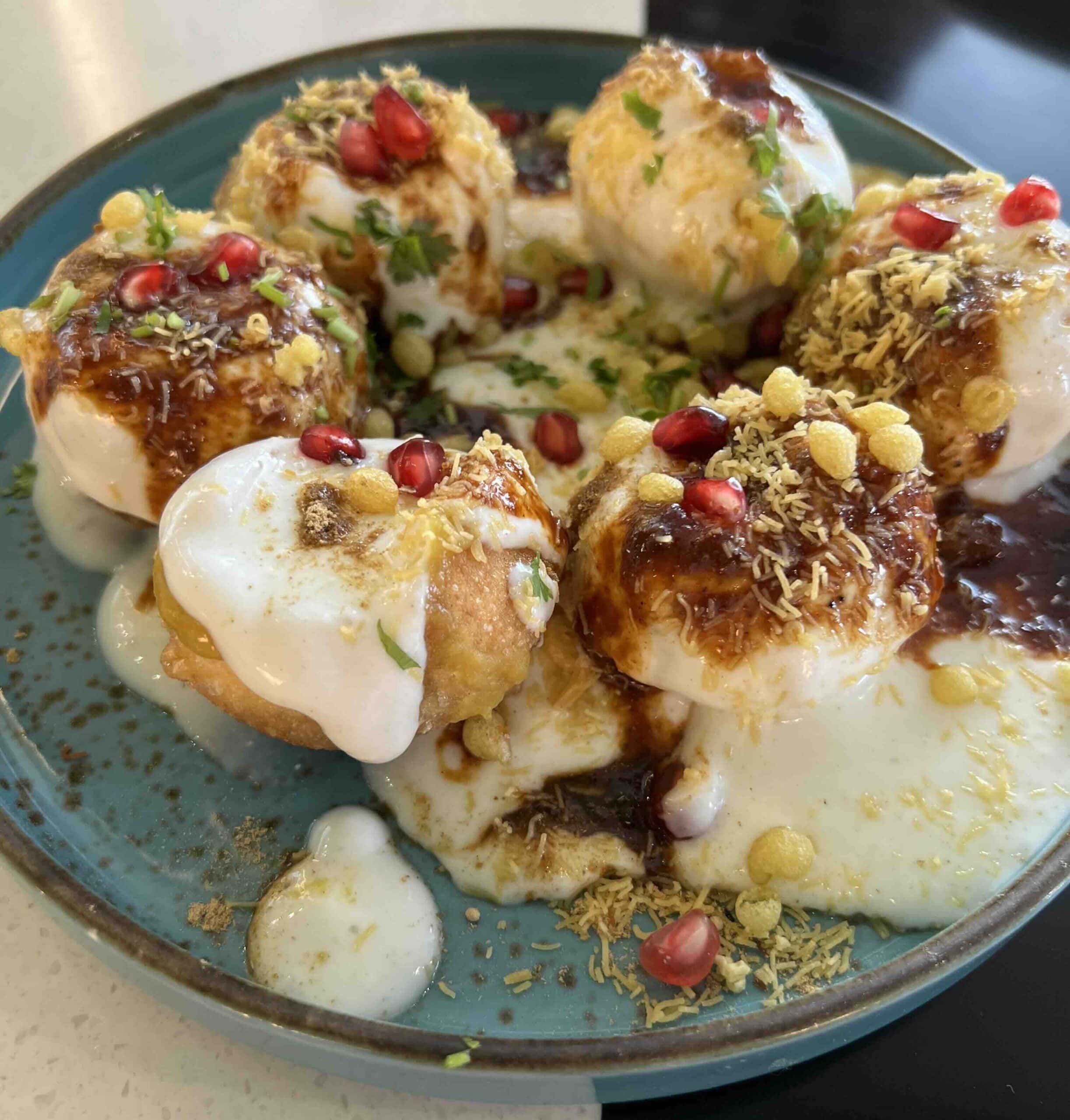
That changed in 2025 on a food tour through Hazratganj, one of Lucknow’s loveliest neighborhoods, when we stopped at Royal Café for its signature Basket Chaat.
I watched as a crispy, edible basket was filled, layered with chutneys, smothered in yogurt and finished with garnishes. Sweet, salty, creamy and crunchy, all in the same bite. It was delicious. Why had I waited so long?
What exactly is chaat?
Chaat (चाट, pronounced approximately “chaat,” with a long ah sound) is a family of predominantly savory snacks rather than a single dish. The Hindi verb chaatna (चाटना) means to lick, a rather fitting description for food designed to leave you wanting another bite. The word chatpata describes that lively, tangy, spicy quality so characteristic of chaat.
What separates chaat from the much larger world of Indian street food is its interplay of ingredients and seasonings. A samosa on its own is a snack; break it open, add chickpeas, chutneys, yogurt and spices, and it becomes samosa chaat. The boundaries are flexible, and not every chaat is fried or served with yogurt. Fruit chaat, for instance, can be as simple as pieces of fruit tossed with spices and lemon.
Where did chaat originate?
After my rather late discovery of chaat, I became curious about its history. How long had Indians been eating chaat, and how had this seemingly simple snack become such an integral part of Indian food culture?
One of the most frequently repeated stories takes us to seventeenth-century Shahjahanabad, the walled city established by Mughal emperor Shah Jahan in what is now Old Delhi. According to culinary folklore, court physicians encouraged the use of spices in response to concerns about local water. Other versions locate the beginnings of chaat in Lucknow or attribute its characteristic flavors to western India.
These accounts make for entertaining food history, but they do not establish a single birthplace or inventor. Nor would adding spices make contaminated water safe. As The Indian Express discusses in its examination of chaat’s origins, competing narratives are part of the story. Migration and the ingenuity of vendors have helped shape the enormous variety we encounter today.
The anatomy of chaat
There is no standard recipe for chaat, but understanding a few of its most common ingredients makes ordering from an unfamiliar menu considerably easier.
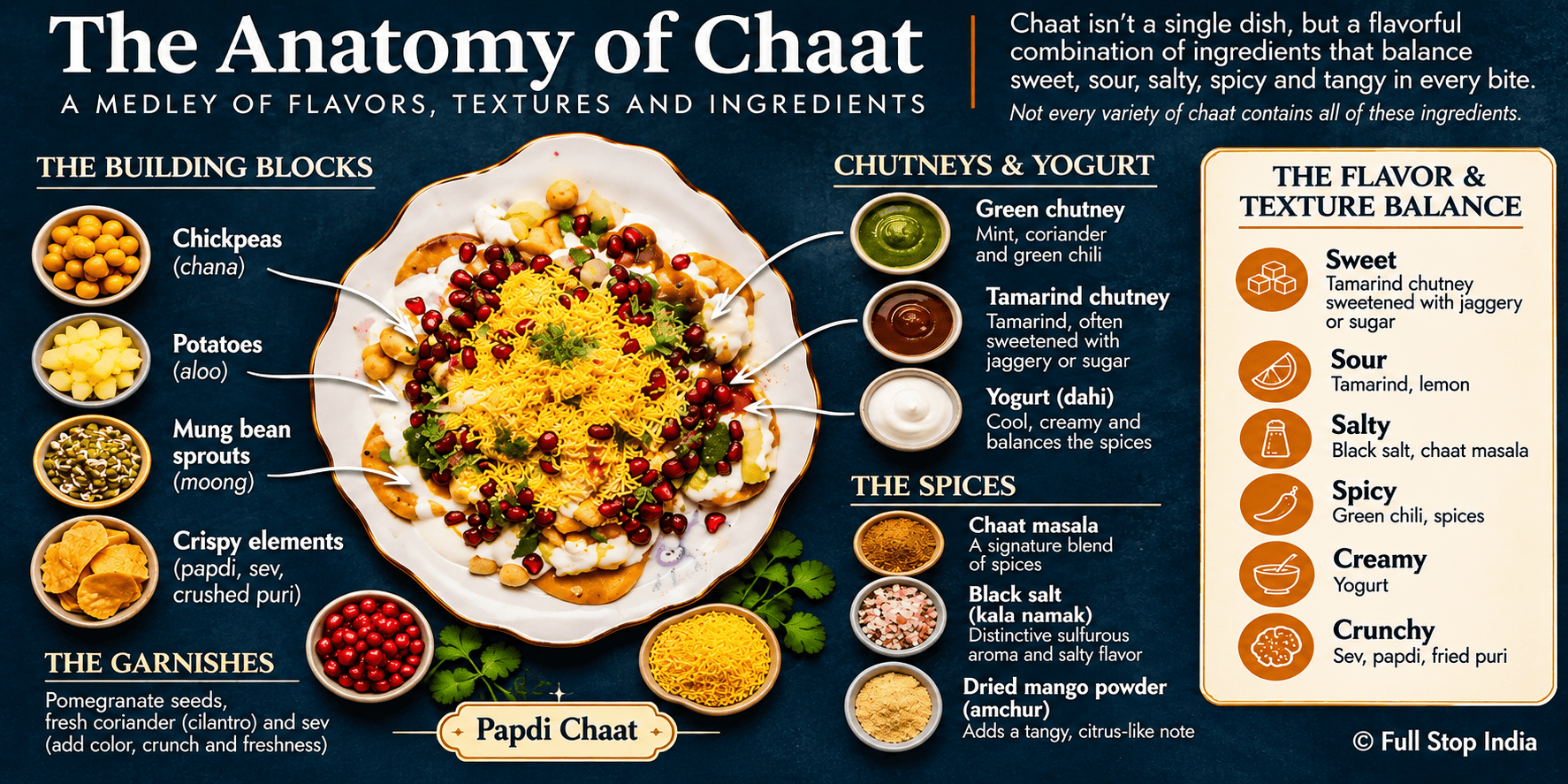
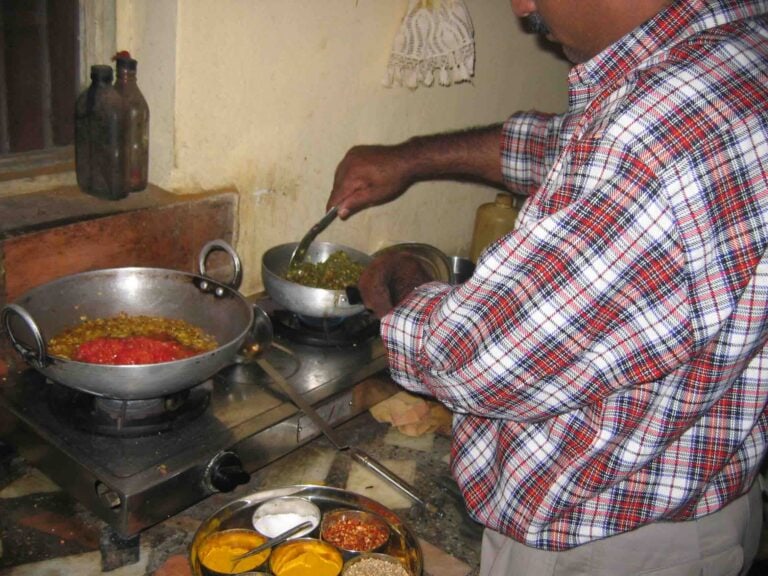
Chaat masala is a seasoning blend, not a dish. Its ingredients vary, but dried mango powder (amchur), cumin, black salt (kala namak), coriander and pepper are familiar components. Black salt has a distinctive sulfurous aroma, while dried mango supplies acidity without adding moisture. Asafoetida (hing) may also appear in seasonings or chutneys. The combination matters more than any one ingredient.
Inside Lucknow’s Basket Chaat
At Royal Café, the serving vessel is part of the food. A basket made from fried potato strands holds the filling and eventually becomes another crunchy ingredient. As you work your spoon through it, the basket breaks apart and the toppings mingle. It is a particularly dramatic introduction to the way chaat is assembled.
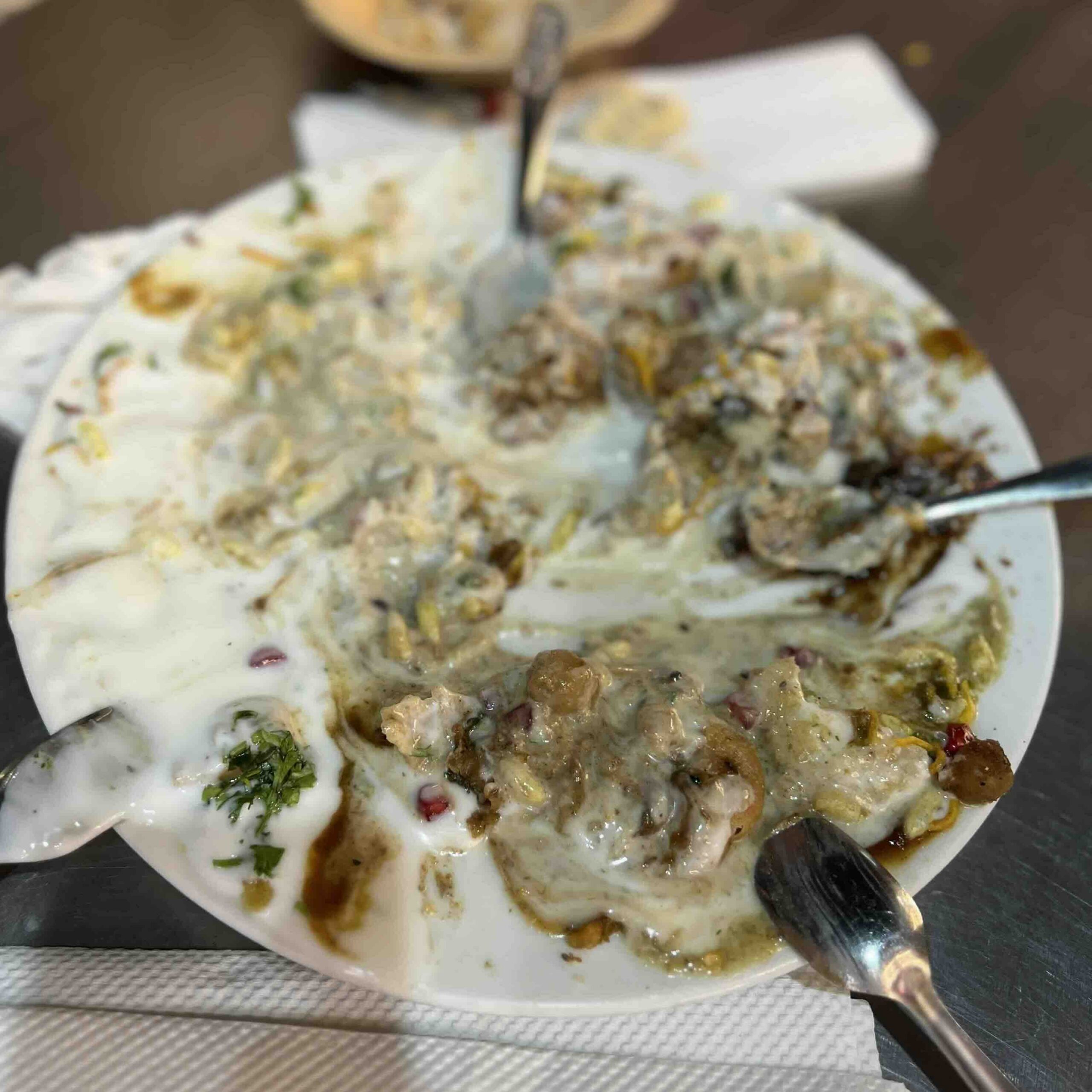
Watching the preparation helps explain why these dishes are often assembled to order. Once yogurt and chutneys meet the crisp ingredients, the texture begins to change. This is food made for eating immediately, not for sitting around on a plate.
One snack, many names
Perhaps the most recognizable chaat is a small, hollow, crisp shell filled with a little potato, chickpeas or another filling and flavored water. Travel from one region to another, however, and the name you learned in one city may not be the name you hear in the next.
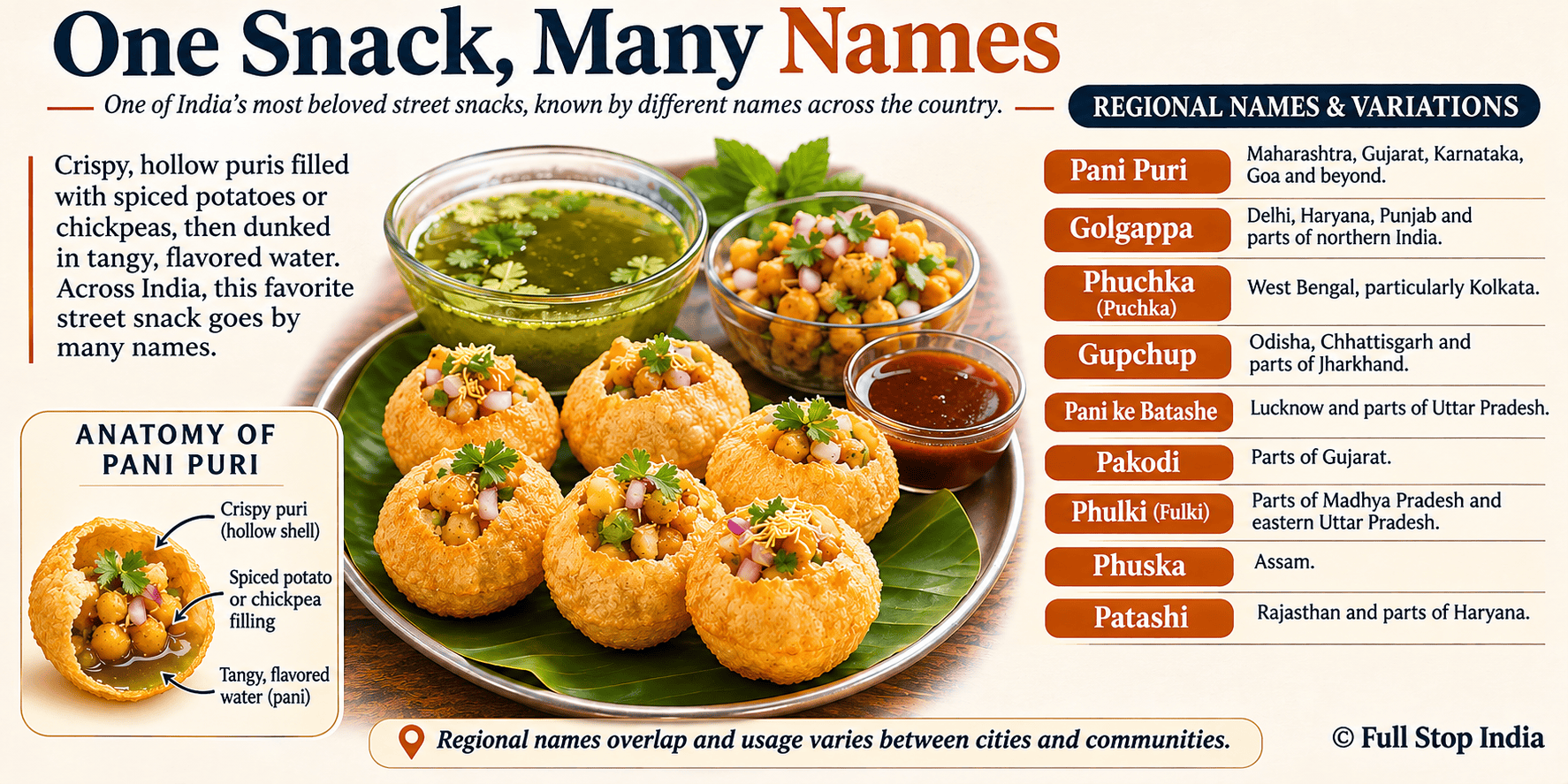
These names are not simply interchangeable labels for an identical recipe. The shell, filling, souring agent and spiced water differ. Kolkata’s phuchka often features a seasoned potato filling and tart tamarind water, while Mumbai’s pani puri may include sweet chutney as well as spicy water. Vendors frequently offer their own combinations.
Chaat across India
Northern India has a particularly rich tradition of potato patties, yogurt-based chaats and fried breads dressed with chutneys. But as vendors traveled and settled elsewhere, local ingredients and tastes altered the repertoire. A chaat stall in Mumbai need not look anything like one in Lucknow.
Delhi, Lucknow and Varanasi
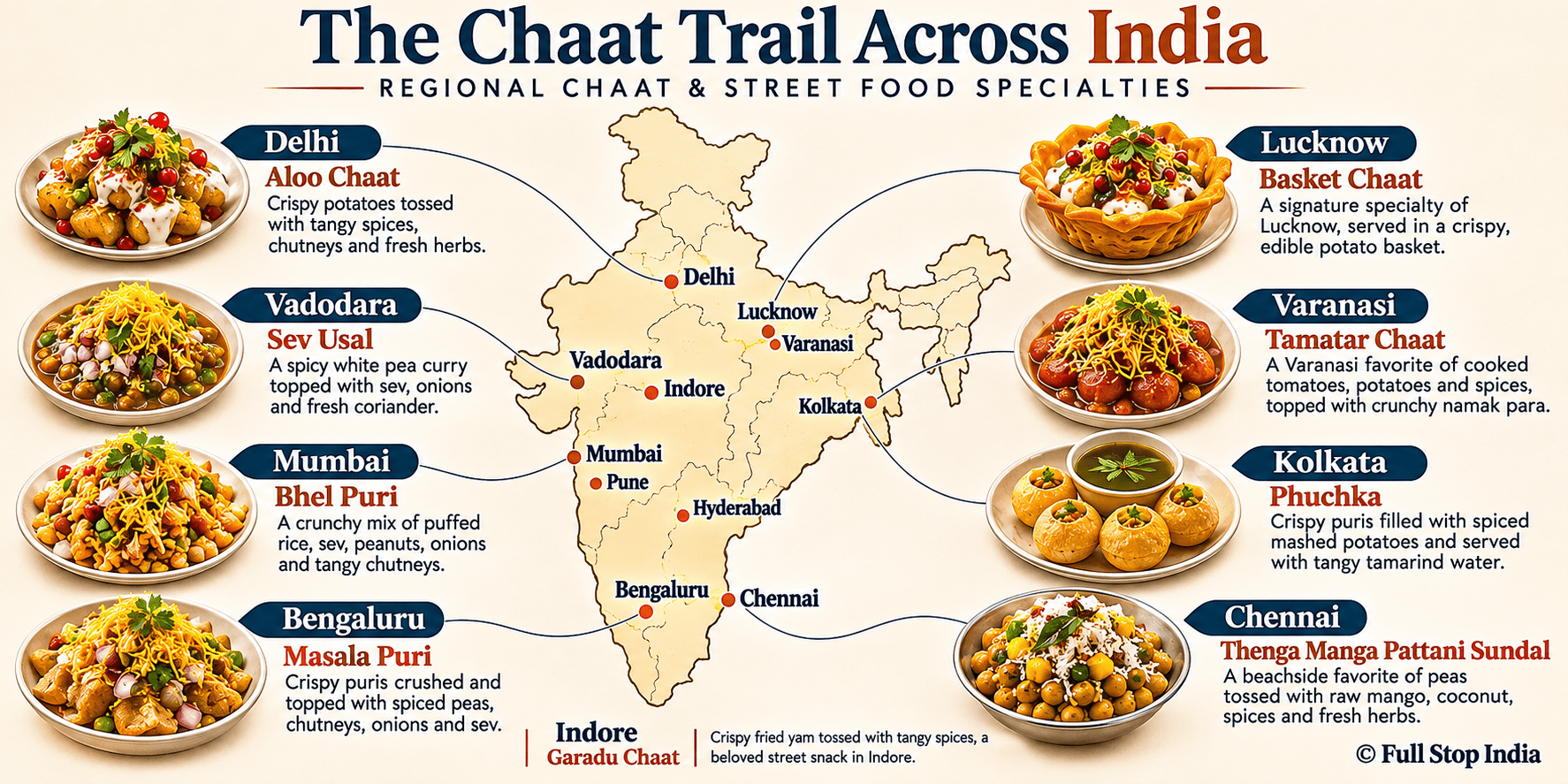
Delhi’s Bengali Market and Chandni Chowk are starting points for exploring North Indian chaat, including papdi chaat. In Lucknow, Royal Café in Hazratganj is known for its Basket Chaat, while Varanasi’s Godowlia area is a starting point for discovering tamatar chaat, a warm preparation of tomatoes, potatoes and spices.
Mumbai and Gujarat
Girgaon Chowpatty is a classic Mumbai setting for sampling bhel puri and other snacks.
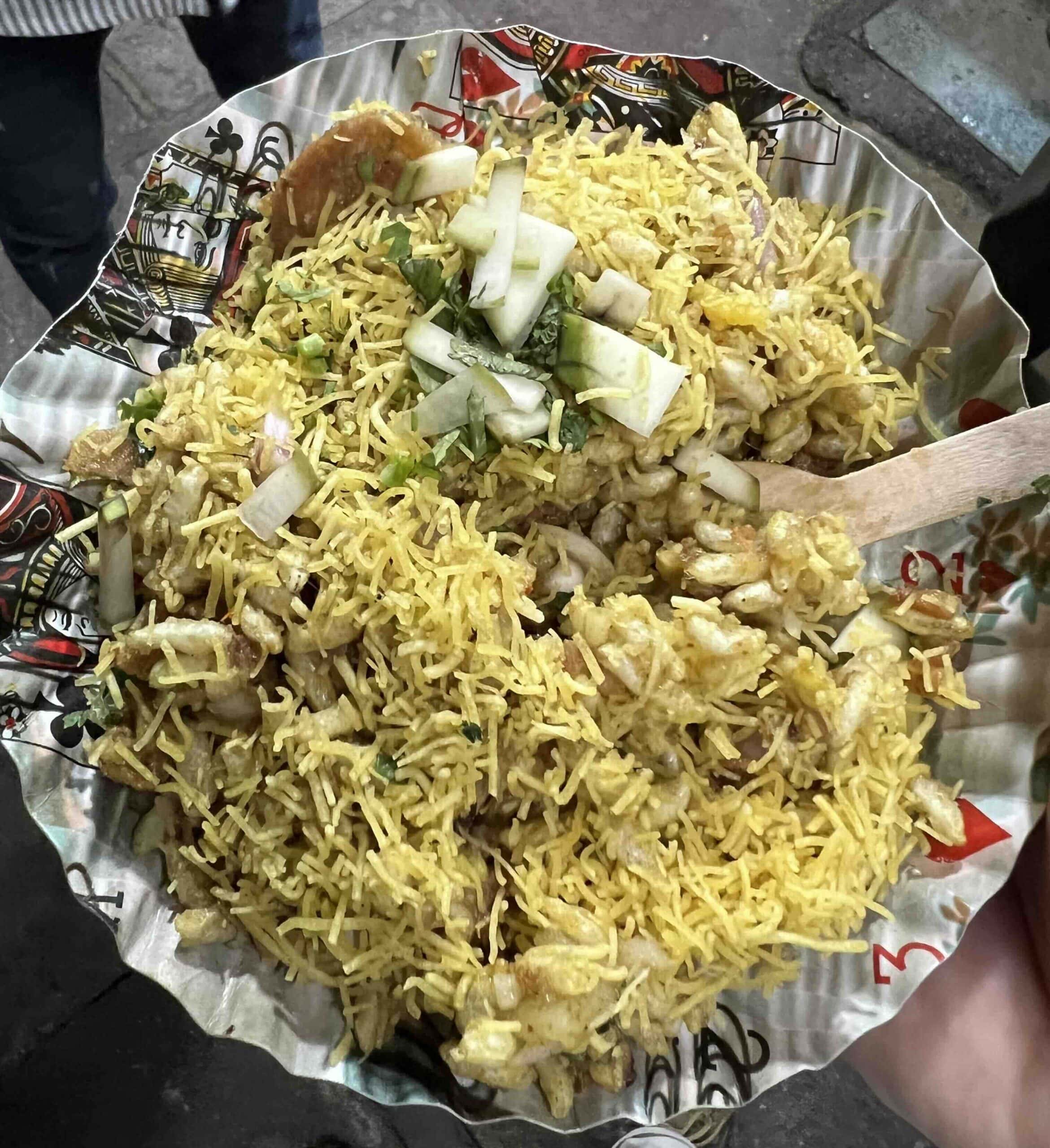
Bhel puri mixes puffed rice, sev, chutneys and other ingredients into a light, crunchy snack. Sev puri arranges toppings on individual crisp bases, and dahi puri uses hollow shells with yogurt. In Gujarat, regional snack traditions overlap with chaat in dishes such as sev khamani, a crumbled gram-based preparation topped with sev and seasonings. The dividing line between farsan (savory snacks) and chaat isn’t rigid.
Kolkata, Indore and southern India
At Vivekananda Park in Kolkata, look for phuchka. The city’s snack repertoire also includes jhal muri, puffed rice tossed with mustard oil, spices and other ingredients. Indore’s Sarafa Bazaar and Chappan Dukan offer an introduction to the city’s snack culture, which includes garadu, a fried yam seasoned with a tangy spice mixture. In Bengaluru and other parts of Karnataka, masala puri often means crushed puris topped with a warm, spiced pea gravy. These are examples of regional tastes shaping related snack traditions, not an exhaustive list of everything served as chaat.
It’s chaat time!
The culture of chaat in India isn’t all that different from snack time in other parts of the world. Except, in my opinion, the plates are far more colorful and the flavors far more complex! In the late afternoon and evening, friends meet after work, students gather outside shops and families stop for a plate while out shopping. At a pani puri stall, the vendor may fill each shell individually, passing it to the customer before preparing the next. Each puri is eaten whole in one bite, before the liquid escapes. There is a rhythm to it that is quite different from sitting down to a meal.
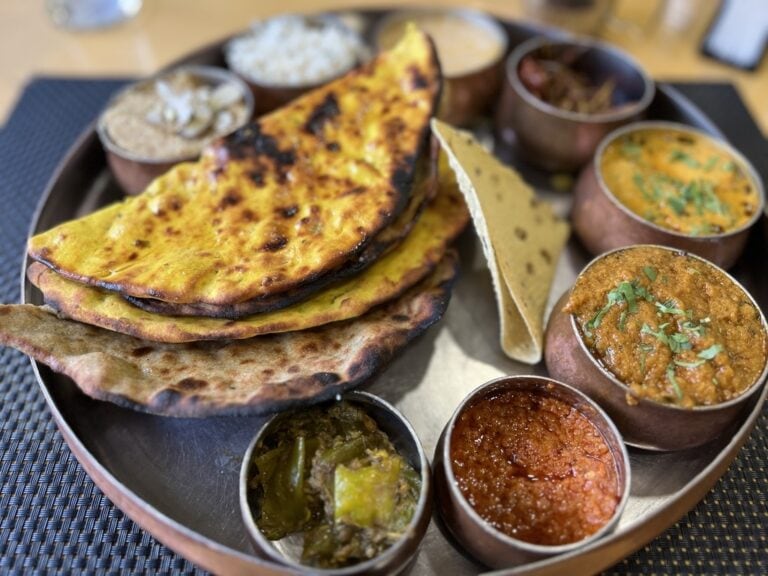
At Indian weddings, chaat counters can be an attraction in their own right. And the same familiar flavors turn up in shopping malls, neighborhood restaurants and elegant hotels. Compare a roadside paper cone with a beautifully plated dahi puri: the surroundings change, but the appeal of contrasting textures and flavors remains. Unlike a thali, chaat need not be a complete meal.
What should you order?
Have you seen the sheer number of options at some of these chaat stalls? How is someone unfamiliar with Indian street food even supposed to know where to begin? Okay, fine. I’ll try one of everything, ji!
Use the illustrated guide below to narrow down your options before approaching the counter.
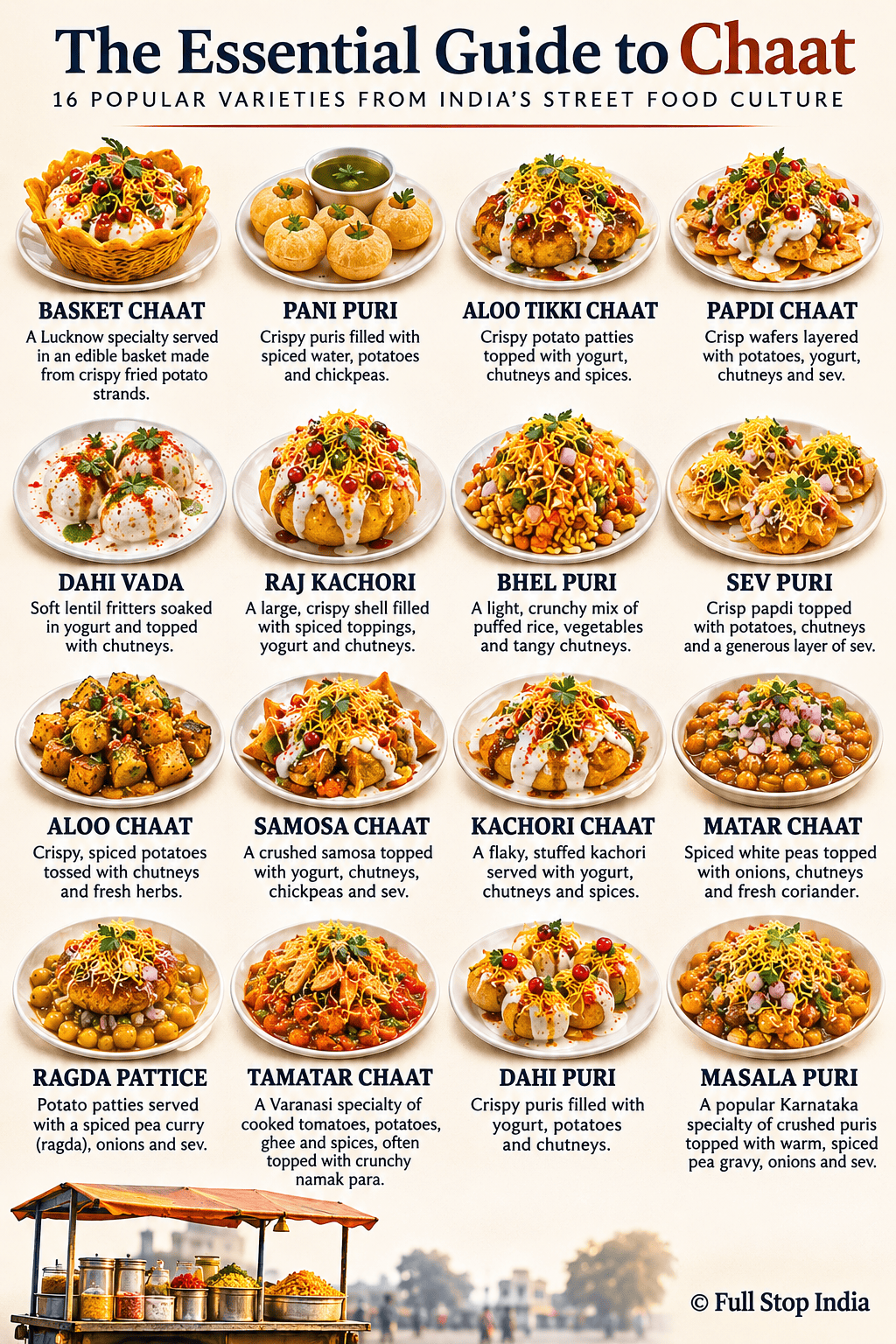
If heat is a concern, ask for kam mirch (less chili) or mirch mat daaliye (please don’t add chili). Some components may already be spiced. Meethi chutney is sweet chutney, hari chutney is green chutney, and dahi is yogurt. Ask what is included if you have food allergies; wheat, dairy, legumes and sometimes nuts are relevant.
At a busy counter, ask how many pieces come in a plate and whether you pay before or after ordering. If the choice is overwhelming, ask what the vendor specializes in.
A little Hindi at the chaat counter: Ek plate, please (one plate, please); thoda aur dahi (a little more yogurt); aap kya sujhaayenge? (what would you suggest?); bahut swadisht hai! (it’s delicious!).
How much does chaat cost?
A roadside cart, a neighborhood sweet shop and an upscale restaurant can serve variations of the same snack at very different prices. Portion size, ingredients and table service all make a difference. For a sense of scale, an October 2026 online menu for Royal Café in Hazratganj listed six pani batashe at ₹60, six dahi batashe at ₹143 and its signature basket chaat at ₹347. In Mumbai, an October 2026 online menu for Elco Pani Puri Centre listed bhel puri at ₹160 and dahi puri at ₹200. These are third-party menu listings, not confirmed counter prices or national averages; prices may change.
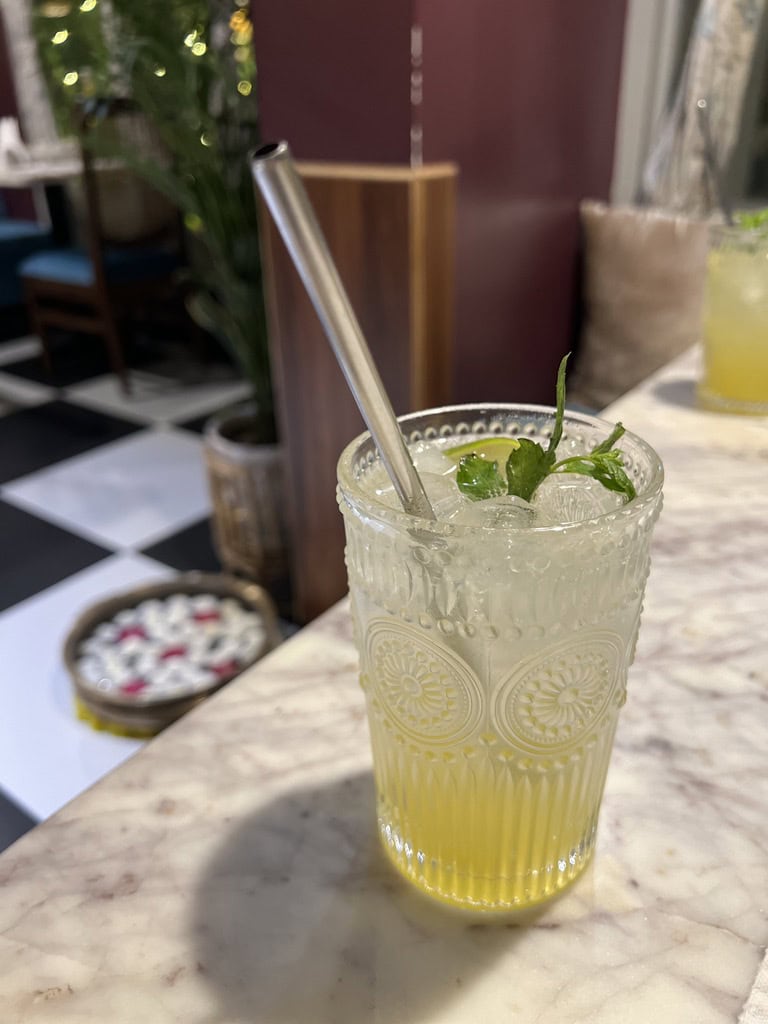
Still getting used to Indian currency? See my guide to the Indian rupee. And if you fancy something to drink alongside your snack, consider a sweet lime soda.
The chaatwalla
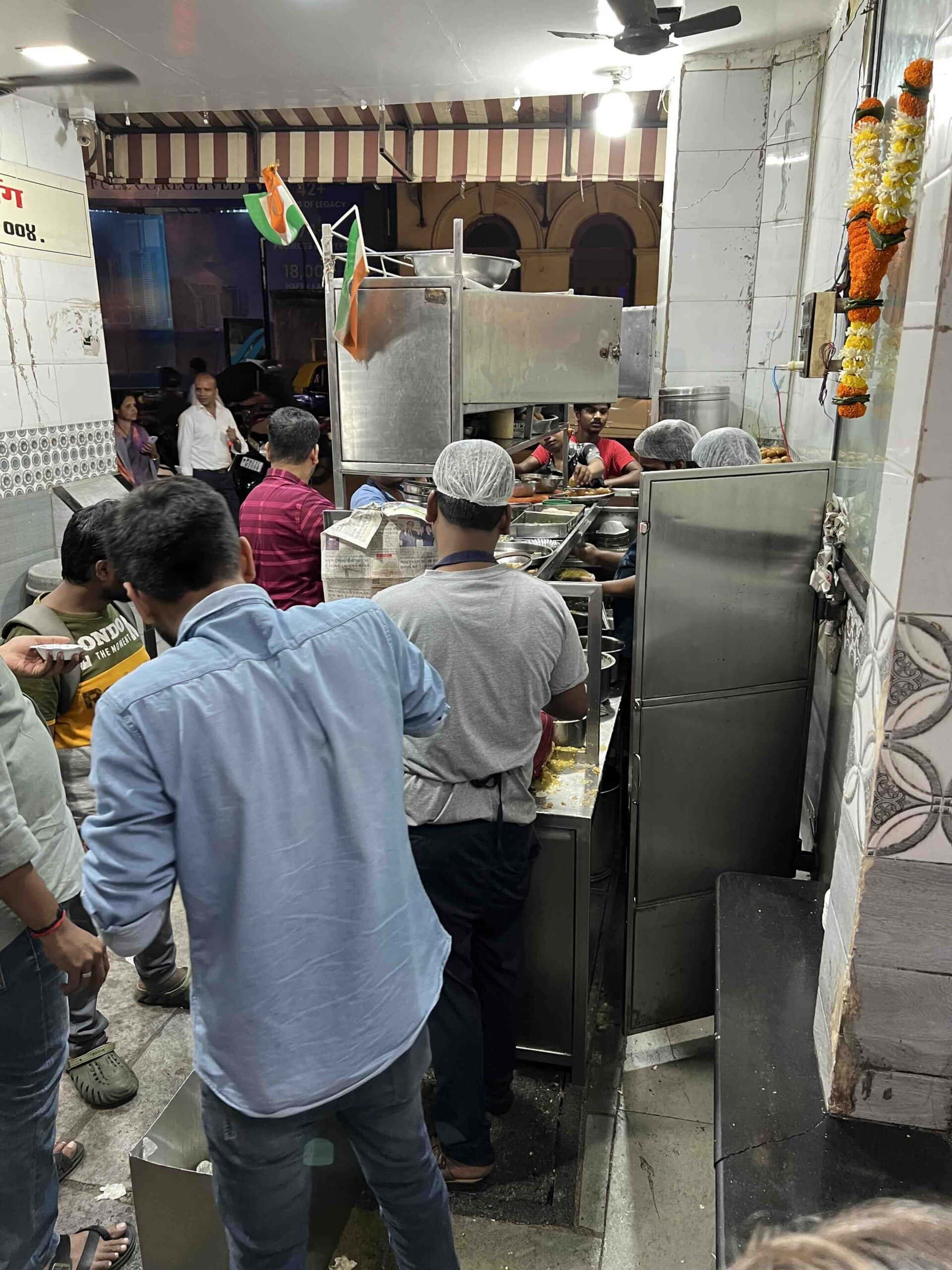
In city markets, the chaatwalla (chaat vendor) can be as much a part of the neighborhood as the shops around him. A stall may specialize in a handful of items, with containers of prepared ingredients arranged for quick assembly. Customers watch, order and often eat standing nearby. At other establishments, you order at a counter or sit at a table.
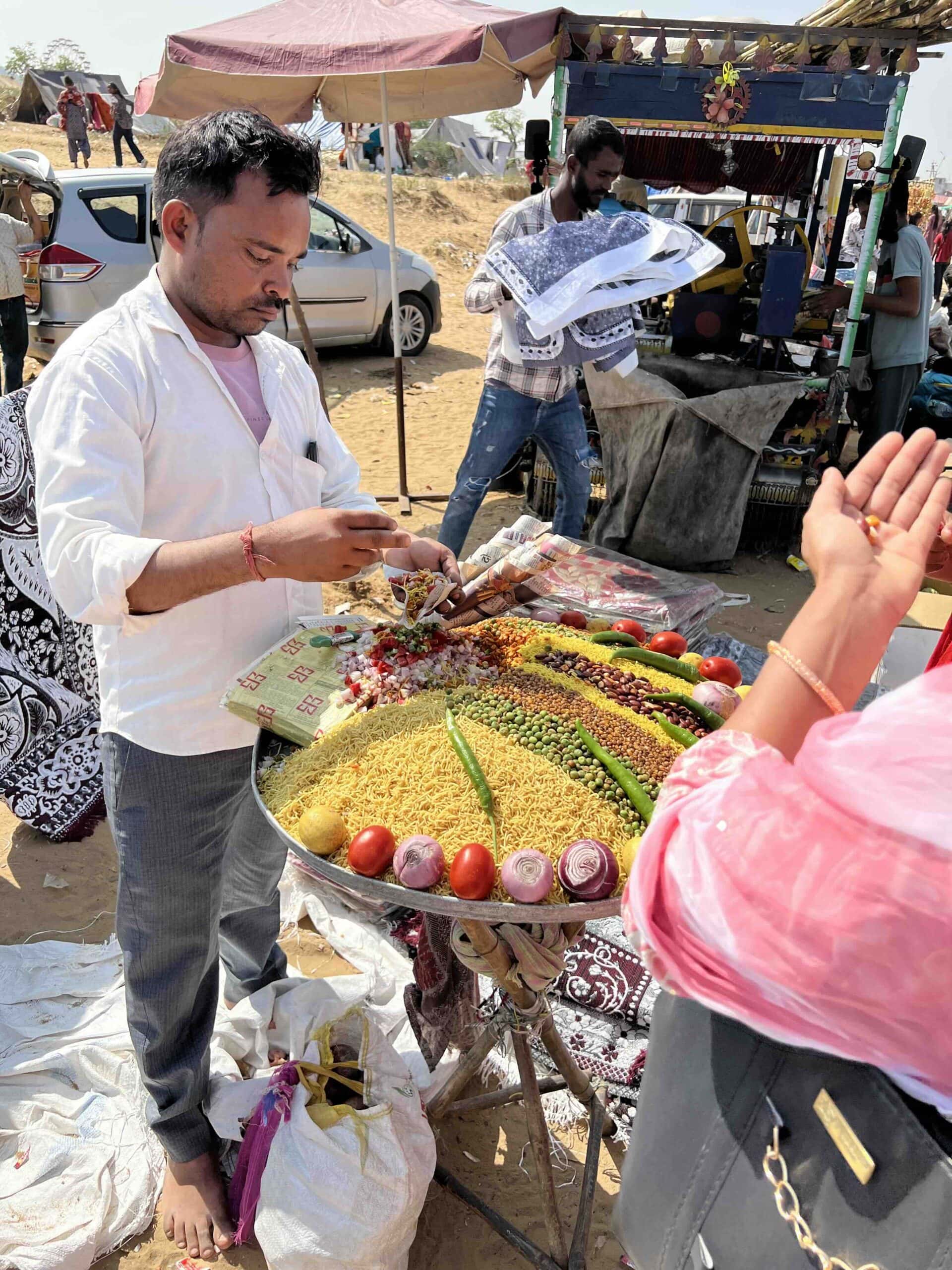
Serving vessels range from small pressed-leaf bowls called dona to paper plates, metal dishes and ceramic plates.
The changing face of Indian street food
One of the more noticeable changes I’ve observed during my travels in India is the attention being paid to cleanliness among street food vendors. Hairnets, gloves and visible cleaning are things I’m seeing more frequently. Interestingly, many of the vendors where I’ve noticed these practices also have some of the longest lines. Whether customers are responding to the cleanliness, the quality of the food, the reputation of the vendor or a combination of all three, I couldn’t say.
There is a formal effort behind some of these changes, too. India’s Food Safety and Standards Authority (FSSAI) operates a Clean Street Food initiative intended to improve vendor training and food hygiene. Its standards address more than appearances, including drinking-quality water, sanitation, storage temperatures and cleaning facilities. Conditions still vary from stall to stall.
Is chaat safe for foreign travelers?
Somewhat ironically, the times I’ve become ill in India have been after eating in restaurants. That doesn’t mean roadside food is safer, but it certainly challenges some of the assumptions I had about eating in India.
Food tours have gradually helped change my approach. Having someone who knows the neighborhood, the vendors and their reputations has given me the confidence to try foods I would otherwise have walked past.
Making up for lost time
I’m finding it rather enjoyable to finally put the camera down and pick up a spoon. I don’t have a favorite chaat yet, and I’m in no hurry to declare one. There are far too many I haven’t tried. Clearly, I have some catching up to do.

 Thali: India’s Many Meals on a Plate
 Lime Soda Sweet: The Refreshing Drink of India
 The Masala Dabba: Inside India’s Traditional Spice Box