

Open a masala dabba in an Indian kitchen and you’ll usually find seven small containers holding an assortment of spices. Turmeric, cumin seeds, coriander powder, red chili powder, and black mustard seeds are common occupants, although the selection varies from one household to another.
The containers fit inside a larger, round box, often kept within easy reach of the stove. Instead of opening half a dozen spice jars while preparing a meal, the cook removes one lid and has everything at hand.
Most masala dabbas are made from stainless steel, although you’ll also find versions in wood, plastic, painted clay, copper, and brass. It’s a familiar sight in Indian kitchens, and a particularly good example of everyday design.
A Little History of the Masala Dabba
India’s relationship with spices stretches back thousands of years, but the precise origins of the masala dabba are harder to establish. Spice storage has taken many forms, including containers made from wood, copper, brass, and earthenware. Stainless steel later became a popular material for everyday Indian kitchenware.
Even the number of compartments varies. In Tamil kitchens, a related spice box is known as an anjarai petti, a name associated with five compartments rather than the seven common in modern round dabbas.
Some families pass their spice boxes down through generations. Others buy an inexpensive version at a local market. Both end up serving the same purpose.
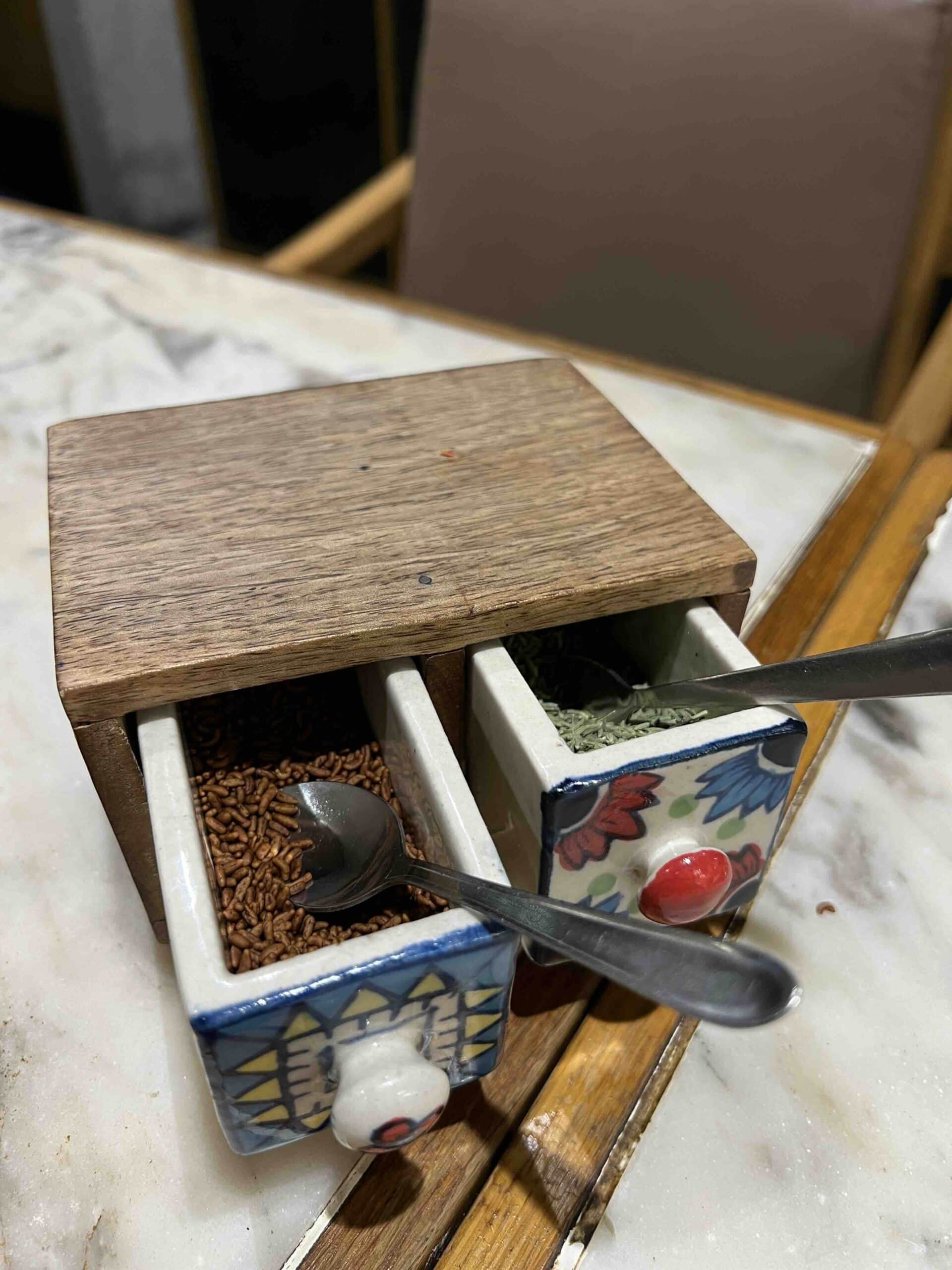
Seven Compartments, Countless Combinations
There is no official list of seven spices that belongs in every masala dabba. The contents vary by region, household, and the dishes being prepared.
A dabba can hold whole spices, ground spices, or a mixture of both. Whole cumin, mustard seeds, cardamom, and cloves might share space with powdered turmeric, coriander, and chili. Some cooks prefer separate boxes for whole and ground spices.
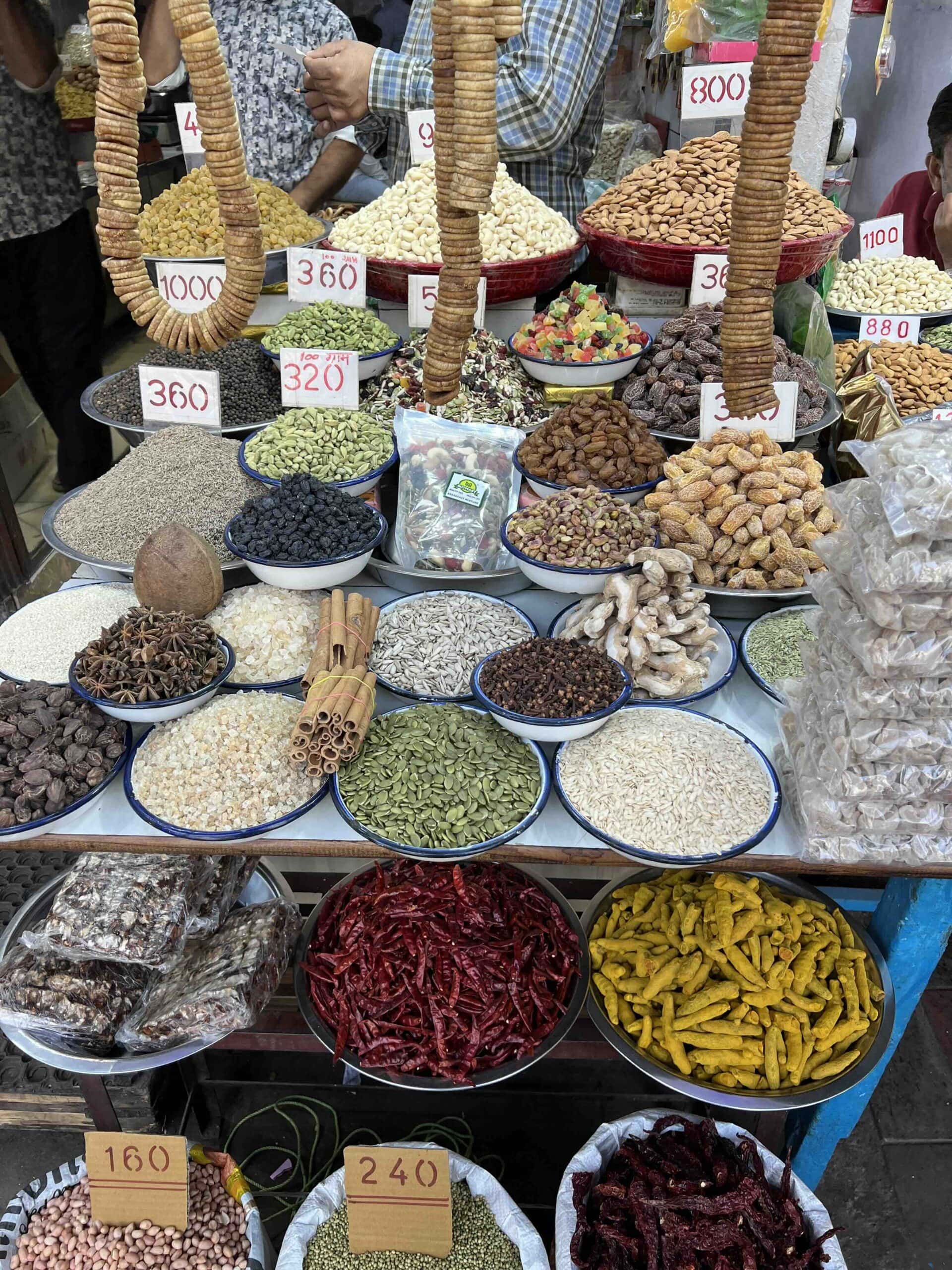
For someone assembling a first masala dabba for Indian cooking, these seven are a useful starting point:
| Spice | Hindi name | Common use |
|---|---|---|
| Cumin seeds | Jeera | Tempering, dals, vegetables |
| Black mustard seeds | Rai / sarson | Tempering and pickles |
| Turmeric powder | Haldi | Color and earthy flavor |
| Red chili powder | Lal mirch | Heat and color |
| Coriander powder | Dhania | Curries, vegetables, blends |
| Garam masala | Garam masala | Seasoning and finishing |
| Fenugreek seeds | Methi dana | Pickles and tempering |
These aren’t rules. If you use fennel seeds more often than fenugreek, make the substitution.
Why the Spices Stay Close to the Stove
Watch someone preparing a tadka and the convenience becomes obvious. Oil or ghee is heated in a pan, followed by whole spices such as cumin or mustard seeds. They sizzle almost immediately, releasing their aromas into the fat. Other ingredients may follow in quick succession.
There’s little time to hunt through a cabinet for the cumin. The dabba is part of the cooking process, not just somewhere to store ingredients.
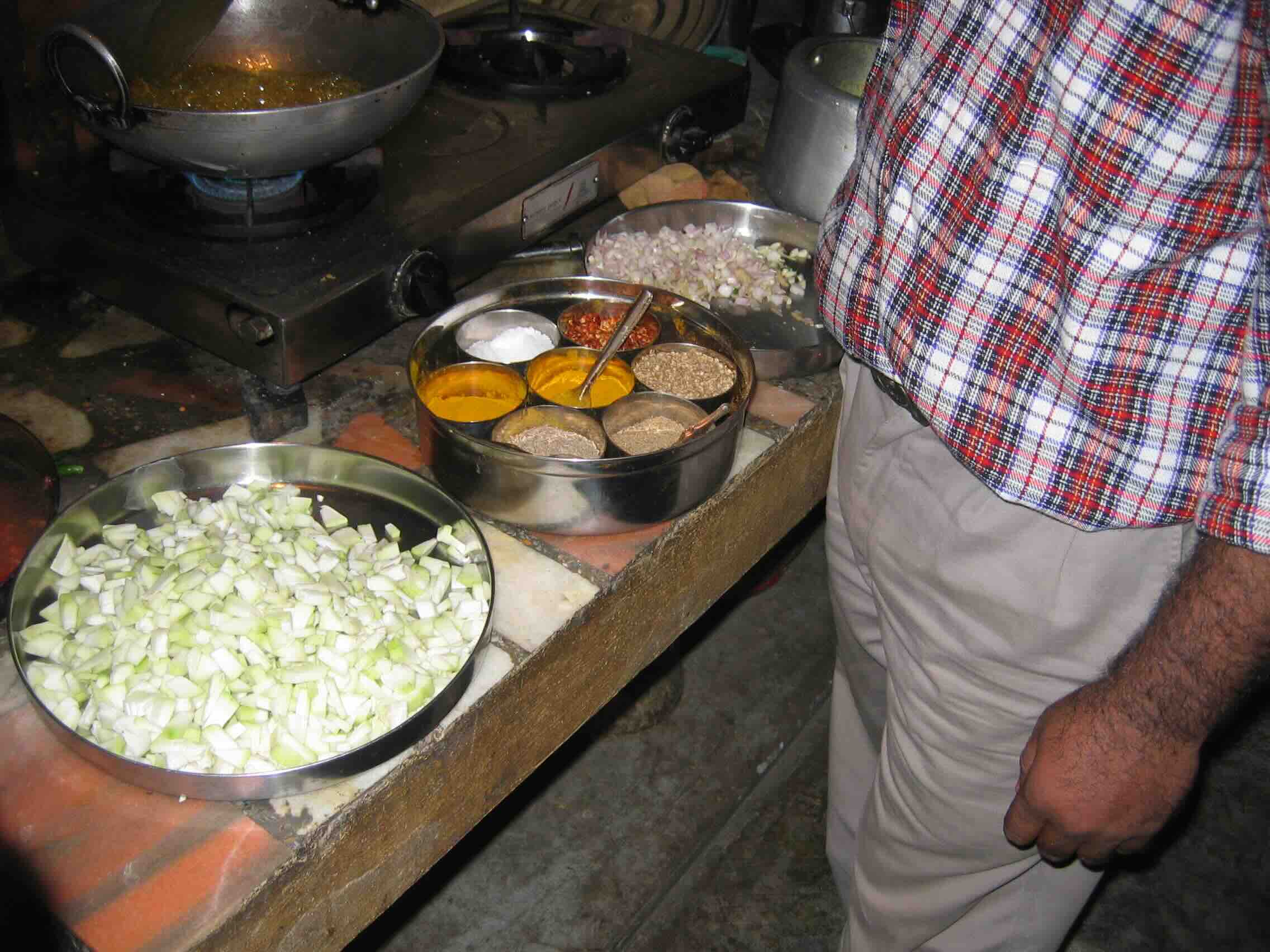
From the Full Stop India Archive
Here’s a look back at the early days of Full Stop India. This original video demonstrates a traditional masala dabba and its compartments. The production may show its age, but the subject hasn’t changed much.
Good Design, From India to My Kitchen
What I particularly like about the masala dabba is how little there is to it. The cups lift out for cleaning or refilling. Everything is visible when you open the lid, and you can rearrange the contents as your cooking habits change.
I’ve owned a couple of masala dabbas over the years, and I still use one regularly. Mine isn’t filled with turmeric, cumin, or garam masala. Instead, it holds the seasonings I reach for in everyday American cooking: salt, pepper, garlic powder, and a few others.
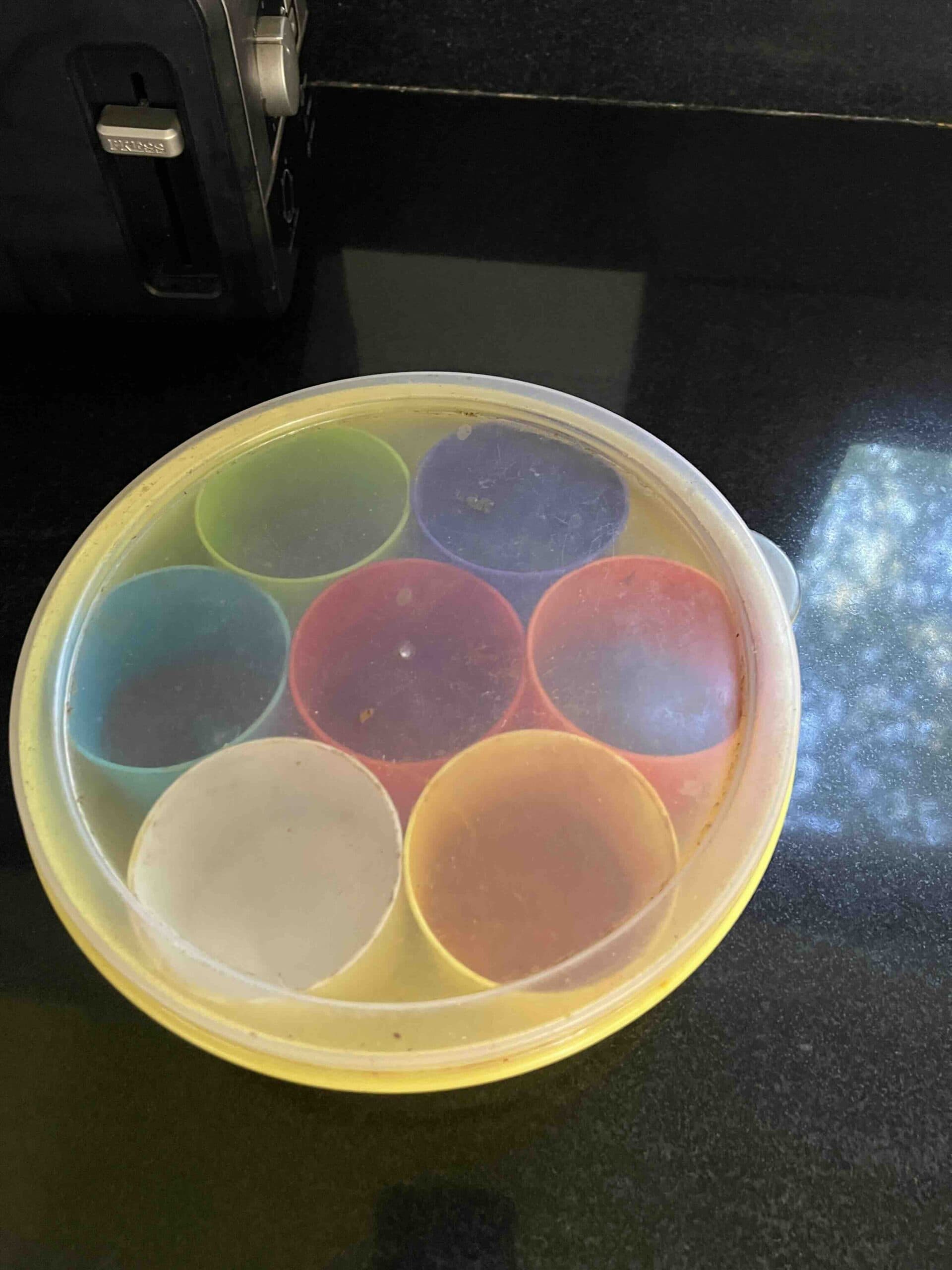
I liked the design when I first encountered it in India and saw no reason it couldn’t serve the same purpose at home. The plastic version pictured below was at an Airbnb in Delhi; my own dabba is back in my kitchen.
Buying and Caring for a Masala Dabba
For everyday cooking, stainless steel is a sensible choice: durable, easy to clean, and generally inexpensive. Look for removable compartments, a well-fitting lid, and a size suited to your kitchen. Some include a small spoon or a transparent inner lid.
Wash and thoroughly dry the box before filling it, following the manufacturer’s instructions. Keep only a working supply of spices inside, replenishing from sealed containers as needed. Moisture, heat, and air gradually diminish the flavor of ground spices.
Shopping for a Masala Dabba
You don’t have to travel to India to find one, although browsing a local kitchenware market is a good option if you’re visiting.
Affiliate disclosure: I may earn a commission if you purchase through the Amazon link below, at no additional cost to you. As an Amazon Associate I earn from qualifying purchases.
Shop for a Masala Dabba on Amazon
Bringing India Home
I’ve brought plenty of things back from India over the years. Some are displayed around the house. Others have found their way into everyday use. The masala dabba belongs in the second category.
It’s also a good example of what I wrote about in Bringing India Home: The Things We Carry Back. Sometimes the most interesting things you bring home aren’t souvenirs at all. They’re things you find yourself using years later.
For more on the everyday objects, customs, and expressions you’ll encounter in India, explore India, Explained.
Join the Conversation
Do you have a masala dabba in your kitchen? Do you keep a traditional collection of Indian spices, or have you adapted yours to something else? I’d be interested to hear what you’ve put in your compartments.

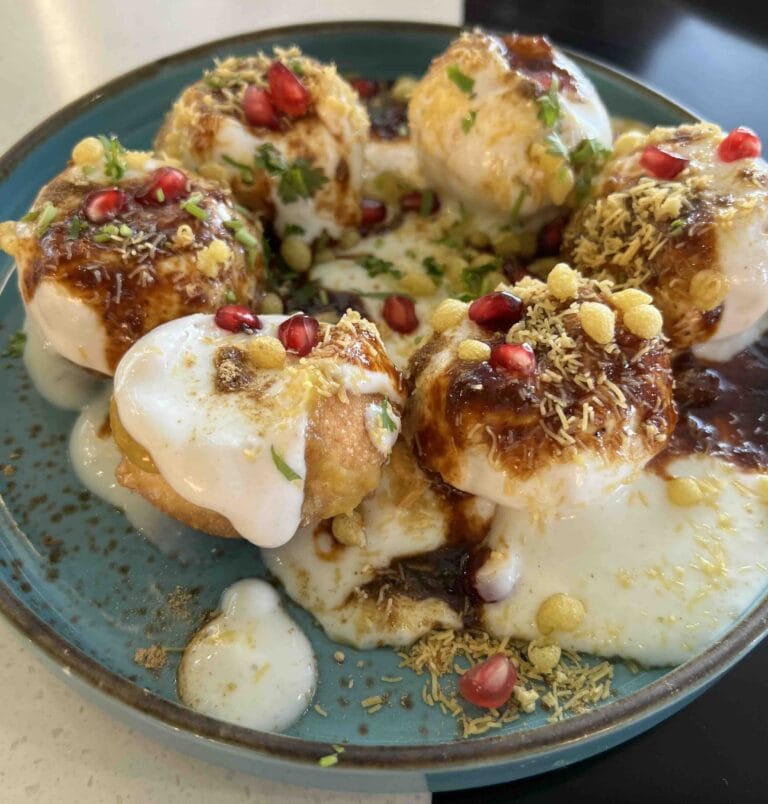 Chaat: India’s Love Affair with Street Food
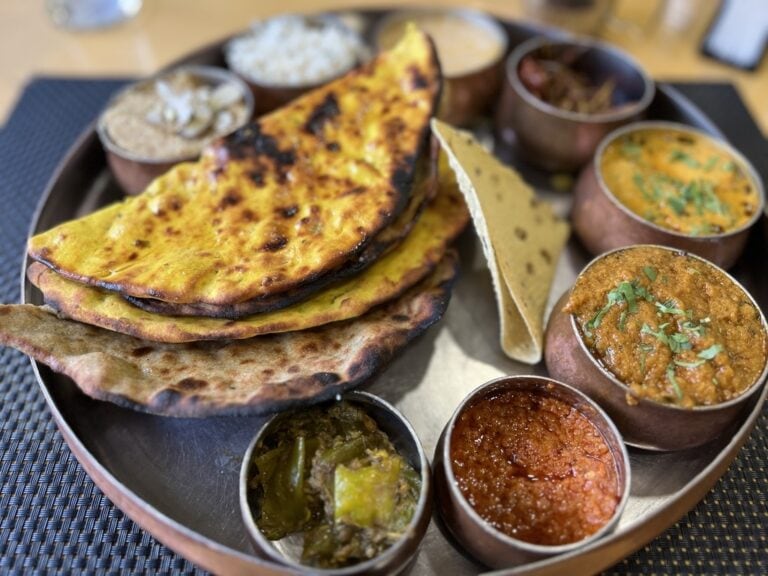 Thali: India’s Many Meals on a Plate
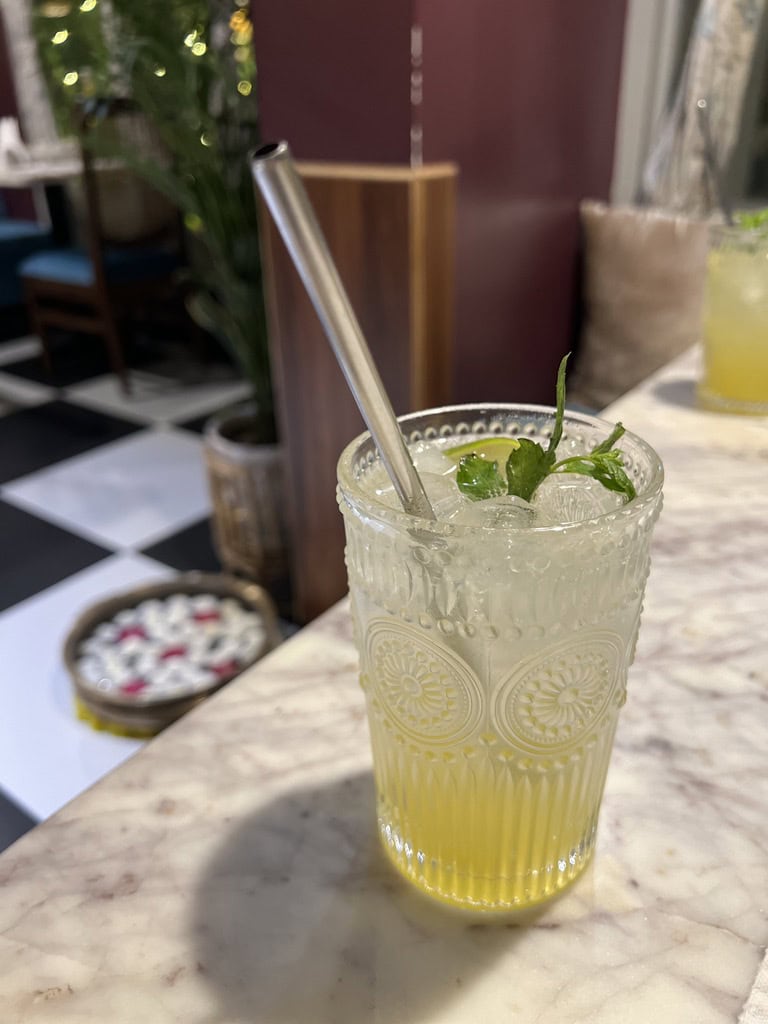 Lime Soda Sweet: The Refreshing Drink of India