

Years ago, while traveling through India with my longtime driver and friend Rakesh, I discovered that my Dopp kit apparently wasn’t entirely mine.
We had traveled together for years, often sharing hotel rooms and meals. I would leave my toiletries in the bathroom, and every so often Rakesh would casually announce how much he liked my hair stuff, deodorant, or toothpaste. It took me a moment to realize that he wasn’t simply admiring the products. He had been using them.
At first I was taken aback. In my world, you ask before helping yourself to someone else’s belongings. Rakesh, meanwhile, seemed completely untroubled by the arrangement. His easy familiarity challenged my assumptions about privacy, friendship, and what we consider ours alone.
Personal Space, Privacy, and Sharing
I had always taken for granted that personal belongings were precisely that: personal. Rakesh seemed to approach some things differently within a close friendship. It wasn’t a lesson that every Indian person shares toiletries, nor that travelers should surrender their boundaries. It was a reminder that two people can understand the same gesture in entirely different ways.
As we became closer, I learned to recognize the affection and comfort behind his casual behavior. And when something mattered to me, I could still say so. Understanding another culture doesn’t require pretending you have no preferences of your own.
India Doesn’t Have One Set of Rules
India is far too large, varied, and complex to be reduced to a single list of dos and don’ts. What feels customary in a village in Himachal Pradesh may be quite different in Mumbai, Kerala, or Rajasthan. Religion, family, generation, and personal circumstances all matter.
Rather than memorizing a rigid code, pay attention to the people around you. Watch what they do, ask when you’re unsure, and be willing to discover that your first interpretation may be wrong.
Greetings, Respect, and the Small Things That Matter
For more practical planning, see my useful Hindi phrases for travelers.
Namaste is widely understood throughout India and is a respectful way to greet someone, particularly an elder or someone you’re meeting for the first time. Bringing your palms together in front of your chest, with a slight nod of the head, is a safe and gracious way to introduce yourself.
While handshakes are common, particularly in business and urban settings, I generally recommend letting the other person initiate physical contact. The same is especially true of hugs. Embracing someone you’ve just met can be considered overly familiar or forward, particularly between men and women. When in doubt, a warm smile and a simple namaste are rarely out of place.
Don’t be surprised by questions that may feel quite personal: Are you married? Do you have children? Why not? Often these are expressions of curiosity and an attempt to get to know you, not an interrogation.
Hospitality: A Bed in Himachal Pradesh
I knew Rakesh before he began building his family home in a village in Himachal Pradesh. Over the years I watched it grow, one addition at a time. I shared meals with him and his family, but when evening came he always insisted on driving me to a hotel in Hamirpur.
I always found this rather amusing. Here I was, fully expecting to experience village life alongside Rakesh and his family, only to be whisked away each evening to a hotel in Hamirpur, as though I were some visiting prince who required special accommodations.
Eventually I understood that he wanted a finished bathroom with running water before he would invite me to spend the night. It mattered to him that I be comfortable.
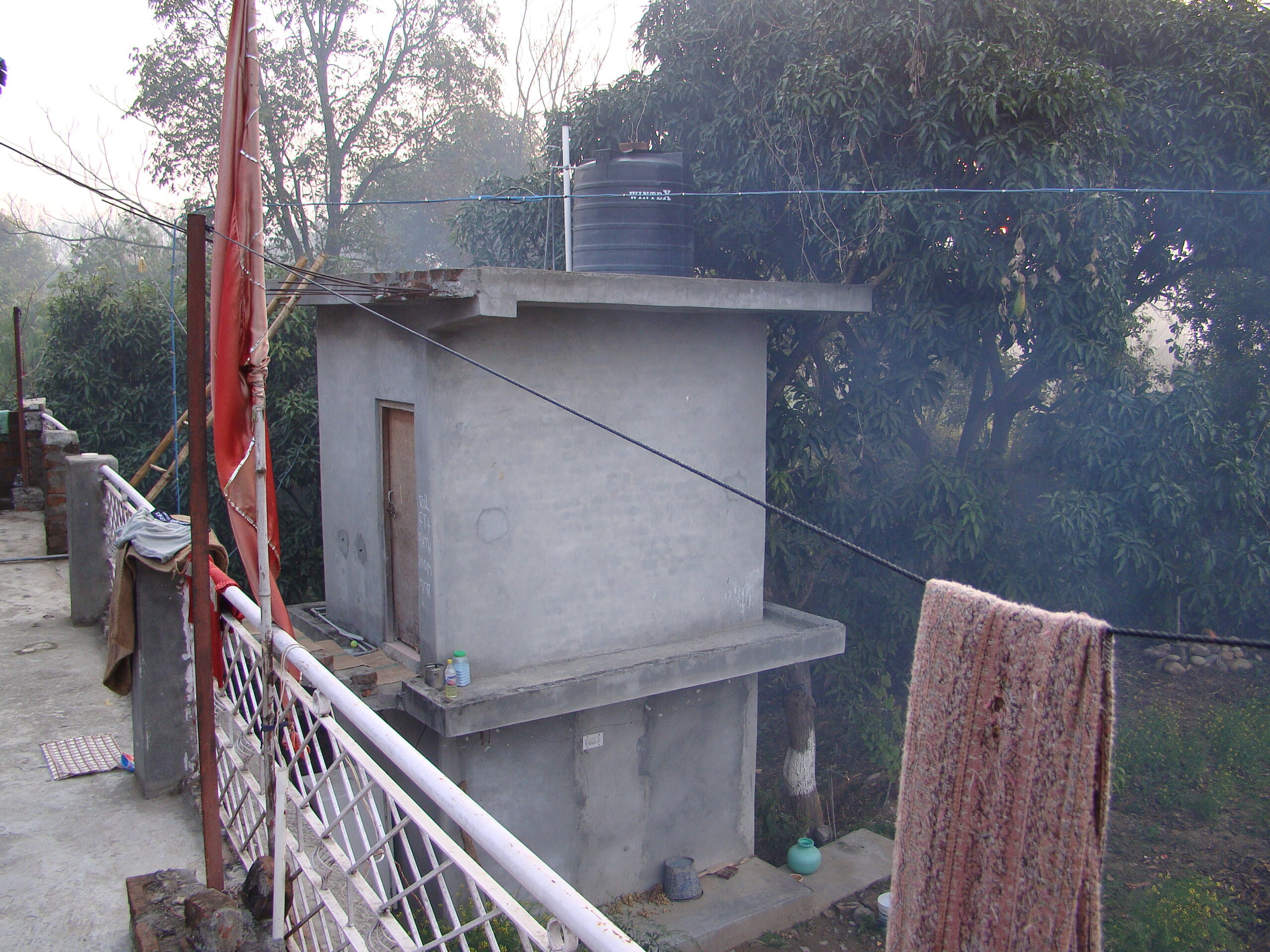
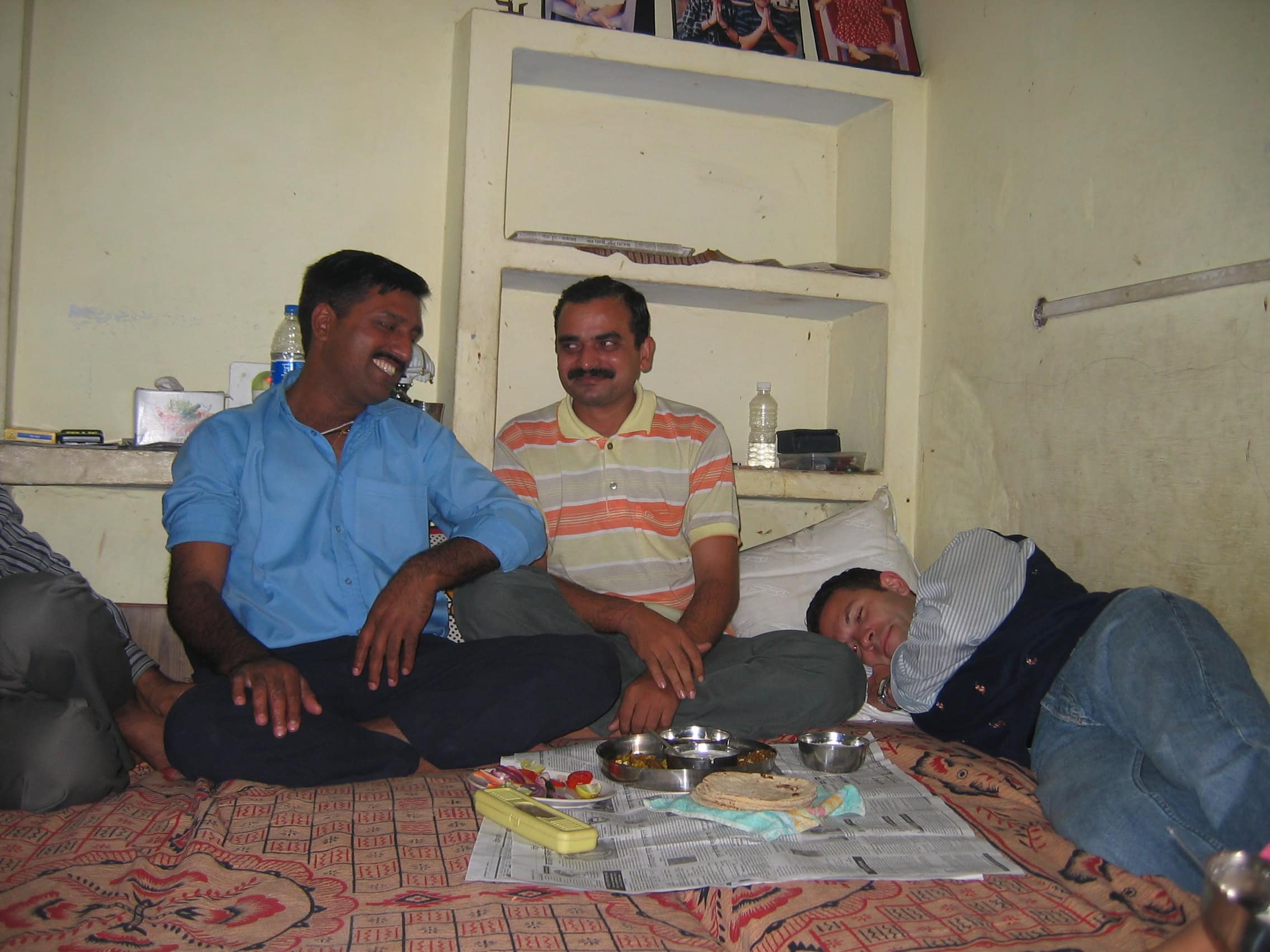
On a later trip, while we were driving through Rajasthan on our way north, Rakesh stopped to purchase blankets. He offered some unremarkable explanation that I have long since forgotten. Only when we arrived at his village did I understand. He and his wife had bought a bed especially for me, and the blankets were mine as well.
There was no central heating in the house. The days could be pleasantly mild, perhaps 65 or 70 degrees, but the nights in the Himalayan foothills were another matter.
For years, I’d watched Rakesh build a home for his family. Somewhere along the way, he’d made room for me in it, too.
Being a Guest in Someone’s Home
Indian hospitality can be wonderfully generous, and an invitation into someone’s home is an opportunity to experience a side of the country that hotels and sightseeing rarely reveal.
You will almost certainly be offered chai, often within moments of arriving. My advice? Always accept the chai if you’re able. Even if you’ve just finished a cup somewhere else, accepting the offer is a simple way of acknowledging your host’s hospitality. It’s often less about the tea itself and more about the pleasure of welcoming someone into the home.
Food might appear even when you’ve insisted you’re not hungry. Your host may be determined to make sure you’re comfortable, sometimes to a degree that feels almost excessive. Accept what you comfortably can, and if you have dietary restrictions or genuinely cannot eat or drink something, a gracious explanation is perfectly appropriate.
If you’ve been invited to someone’s home in advance, rather than stopping by unexpectedly, it’s customary and thoughtful to bring a small gift. A box of sweets, some good-quality nuts, or another modest treat is a lovely way to express gratitude for the invitation. It needn’t be expensive or elaborate. The gesture matters far more than the price. If you’re bringing food, be mindful of the family’s dietary preferences.
When visiting a home, pay attention to whether shoes are left near the entrance. Many households prefer visitors to remove them, although practices vary.
And if you’re invited for a meal, remember that the experience may be as much about spending time together as it is about eating. There’s no need to rush away the moment the plates are cleared.
Temples, Mosques, Gurdwaras, and Sacred Spaces
Religious sites are among India’s most memorable places to visit, but they are active places of worship first and visitor attractions second. The rules aren’t suggestions to negotiate.
Shoes: Footwear must generally be removed before entering designated areas of Hindu temples, Sikh gurdwaras, and mosques. And yes, this means your bare feet may be touching pavement, sidewalks, stone floors, and occasionally surfaces splattered with bird droppings. It’s not always the cleanest experience, and there’s little point pretending otherwise.
Some temples permit socks, shoe covers, or other approved foot coverings, while others require footwear to be removed entirely. Rules vary, and visitors are expected to follow them. If walking barefoot on these surfaces is a dealbreaker for you, you may be better off admiring certain temples from outside rather than entering.
I recommend carrying a small packet of wet wipes to clean your feet once you’ve left the designated shoe-free area.
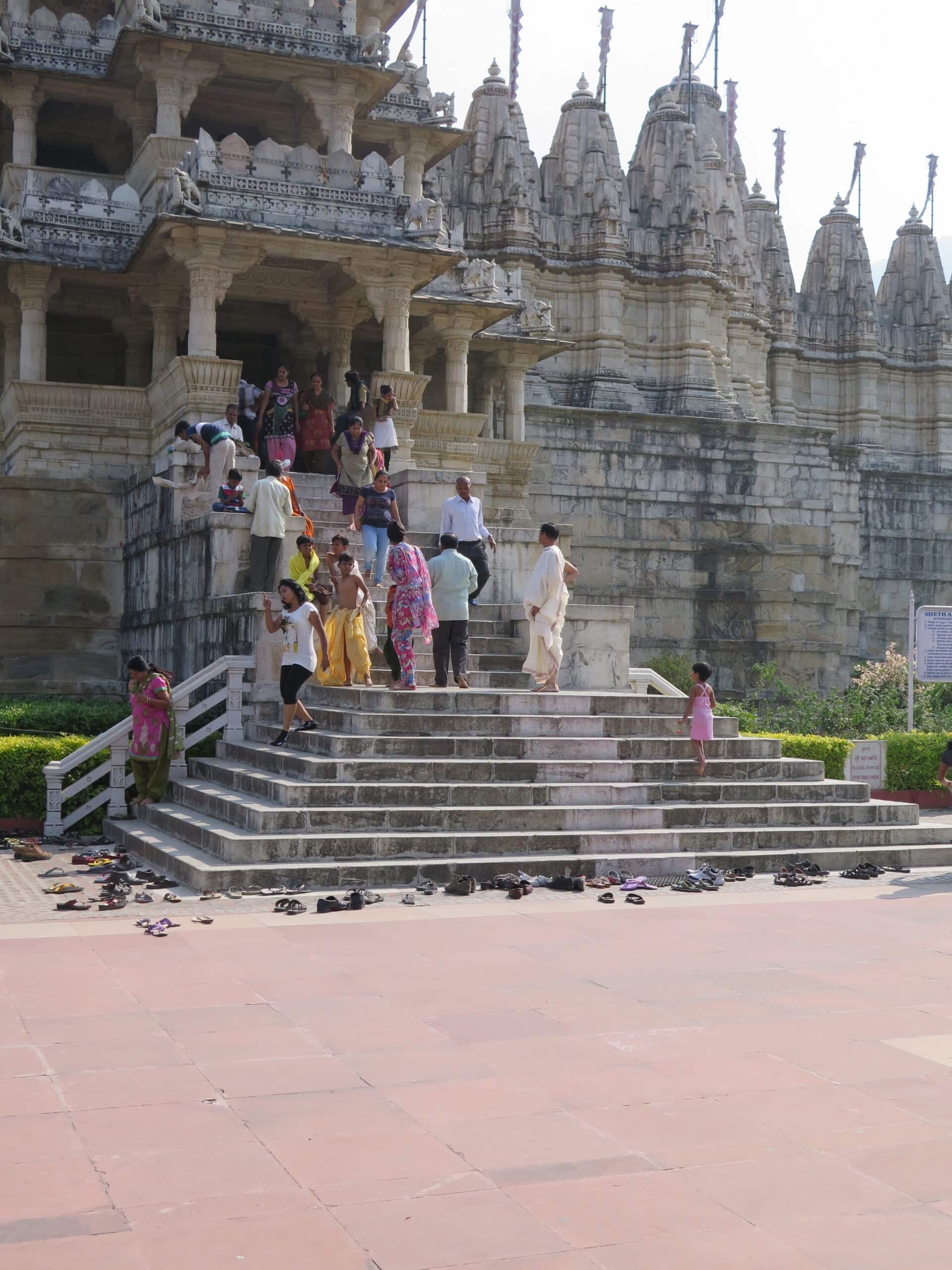
Some religious sites provide washing facilities. The magnificent Golden Temple in Amritsar, for example, has foot-washing areas near the entrances.
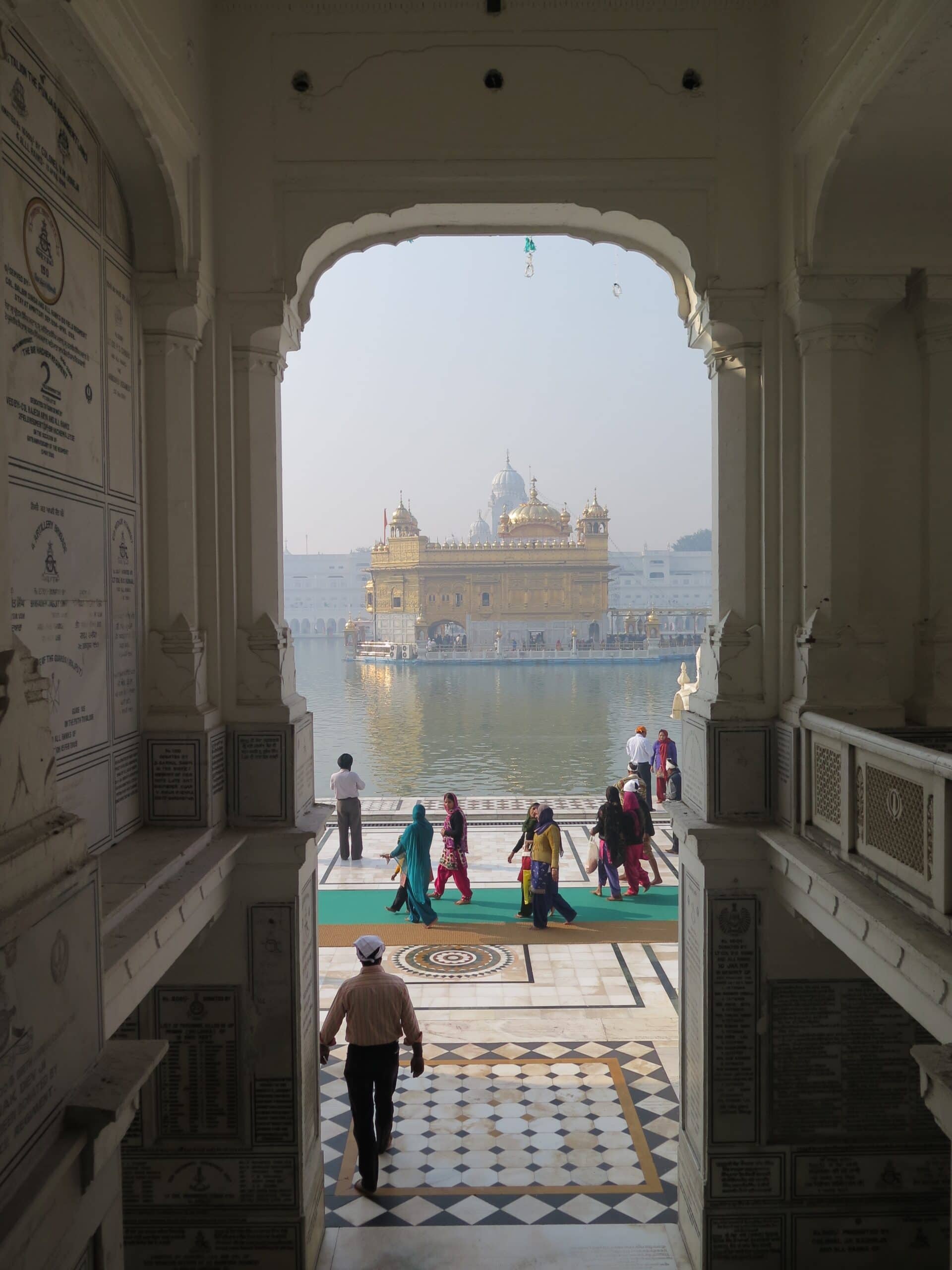
Head coverings: Sikh gurdwaras require visitors to cover their heads, regardless of gender. Some mosques and other religious sites also have specific requirements. Carrying a lightweight scarf is useful, but many sites have scarves or other suitable coverings available to borrow or purchase. Follow the site’s instructions about what constitutes an acceptable covering.
Clothing: Modest dress isn’t merely a suggestion when visiting religious sites with established dress requirements. It’s not negotiable. Covering your shoulders and knees is a sensible starting point, although some places have stricter rules. Check before arriving and dress accordingly.
Also be mindful of where photography is permitted, how to behave during prayers, and whether certain areas are reserved for worshippers.
Eating, Sharing Food, and the Right Hand
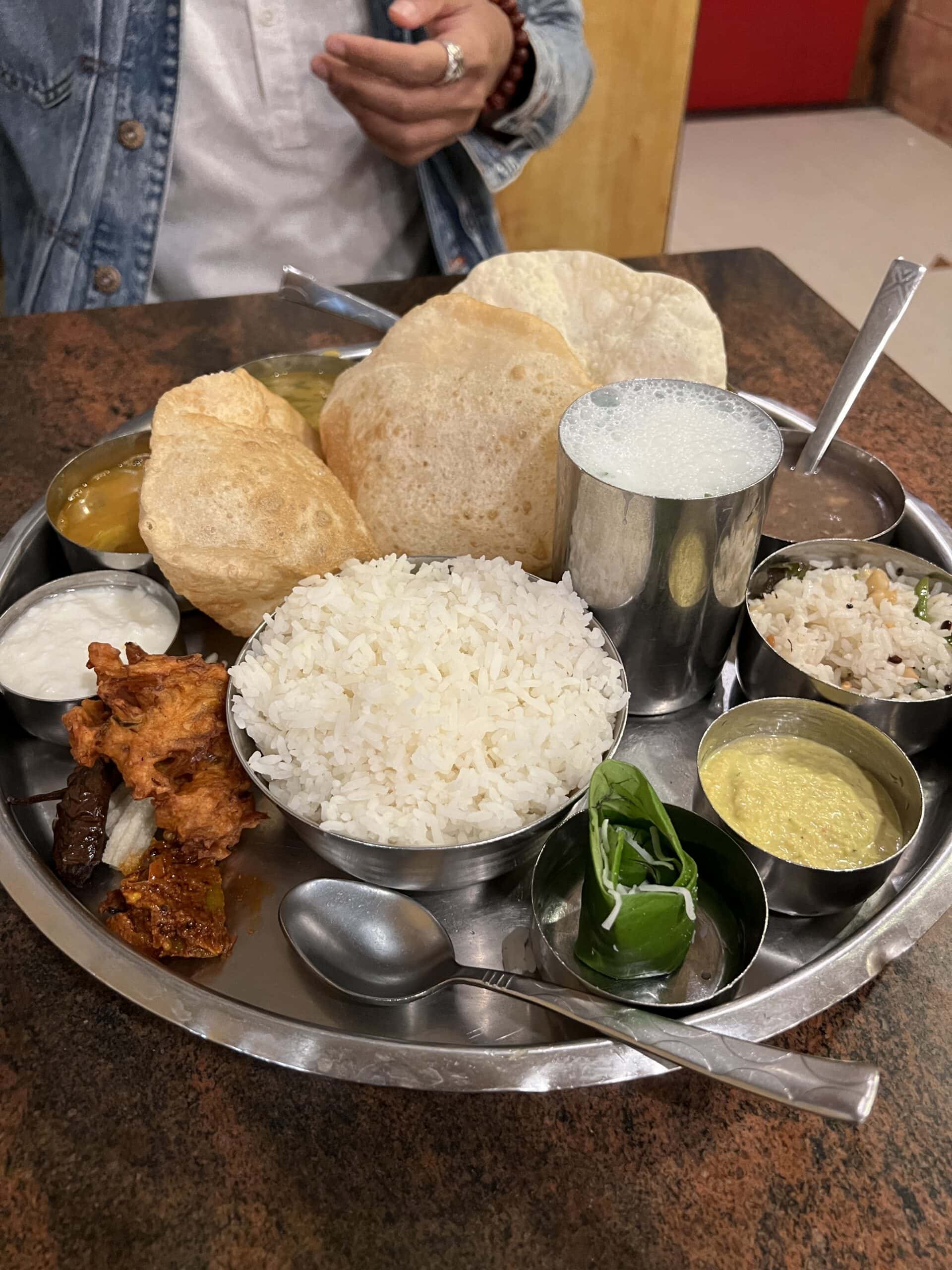
Food is one of India’s great pleasures, and meals can also introduce visitors to customs they may not have encountered before. In many settings people eat with the right hand, particularly when enjoying breads and rice. The left hand is traditionally considered less appropriate for handling food, though utensils are widely available and customs vary.
I once traveled with a companion who insisted on having meat at every meal. Every meal. Months before our departure, I had warned him that some towns, cities, and stops simply wouldn’t offer meat options. There might be a vegetarian meal, a whole day, or perhaps two days without meat. Haridwar, for example, is known for its restrictions on meat within the city.
None of that stopped the complaints when the inevitable happened. Suddenly the lack of meat was an inconvenience that everyone else was apparently expected to solve. But the itinerary hadn’t changed; the expectations had.
Be advised: meat is not available everywhere in India. You may need to eat vegetarian for a meal or a day or two. And you will survive. Hundreds of millions of Indians have been vegetarian their entire lives. Some of the best food I’ve eaten in India has been vegetarian. Arrive curious, not demanding.
Photographs, Curiosity, and Being the Subject of Attention
India is endlessly photogenic. From crowded markets and neighborhood streets to festivals and family gatherings, there’s often something interesting happening in every direction. But not everything interesting is ours to photograph.
For a broad street scene or a general crowd photograph in public, I usually don’t interrupt everyone to ask permission. In an intimate setting, or when I want a close-up portrait of one person, I ask: Photo? Photo OK? There’s a little dance to it.
Sometimes the answer is yes, accompanied by an outstretched hand. The person is asking for a tip or payment. I never pay for photographs, and I decide whether to put my camera away or find a different subject. Other travelers may make different choices. The interesting question is where courtesy ends and the expectation of payment begins.
And the curiosity goes both ways. I’ve been asked countless times to pose for photographs with people who were delighted to have a picture with a tall white visitor. If you’re comfortable, go with it. If you’re not, it’s perfectly fine to decline.
I mishandled one of those encounters recently while walking through a Delhi bazaar with an Indian friend. We were short on time and heading to a performance when two men approached and asked for a photograph. I agreed, a little reluctantly. They posed beside me, then began taking more pictures and video. As the minutes stretched on, I became impatient and said, Jaldi, jaldi — hurry, hurry.
Their smiles disappeared. They lowered their phones and walked away abruptly. I knew immediately I’d gotten it wrong. They had meant no harm, and my impatience had made them feel disrespected.
Women traveling in India, particularly those with blonde, red, or curly hair, may receive frequent requests for photographs and questions about their lives. Sometimes that attention is warm and harmless; sometimes it can be exhausting or unwelcome. You never owe anyone a photograph. You can be gracious and still say no.
Clothing, Public Affection, and Everyday Behavior
What you wear in India depends a great deal on where you’re going. In major cities, you’ll see everything from traditional clothing to Western fashion. In smaller towns and rural communities, more conservative clothing may be common. Read the setting rather than assuming one outfit works everywhere.
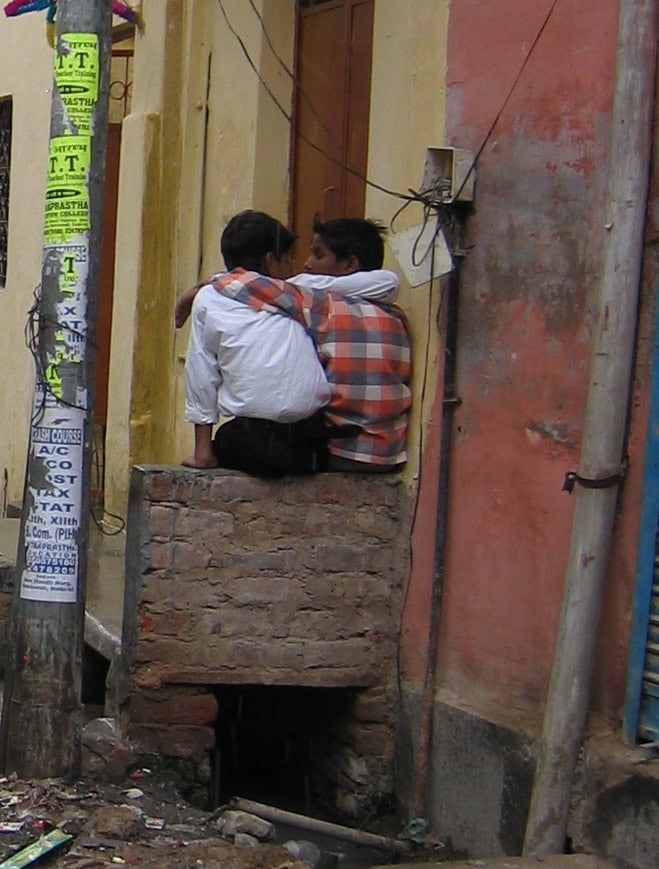
Public displays of affection can also be easy to misread. You’ll see female friends holding hands, embracing, and leaning on each other. Men, too, may walk hand in hand, put their arms around friends, or sit close together on a park bench. These gestures can simply express friendship and affection. Don’t automatically assign them the same meaning they might carry in your own culture.
Another point worth remembering: swearing, shouting, and aggressive gestures in public can change the mood of an interaction very quickly. That isn’t to say Indians never swear or become frustrated. But a visitor who raises their voice at a ticket queue or desk clerk, puffs out their chest, waves their arms, and starts cursing is unlikely to improve the situation.
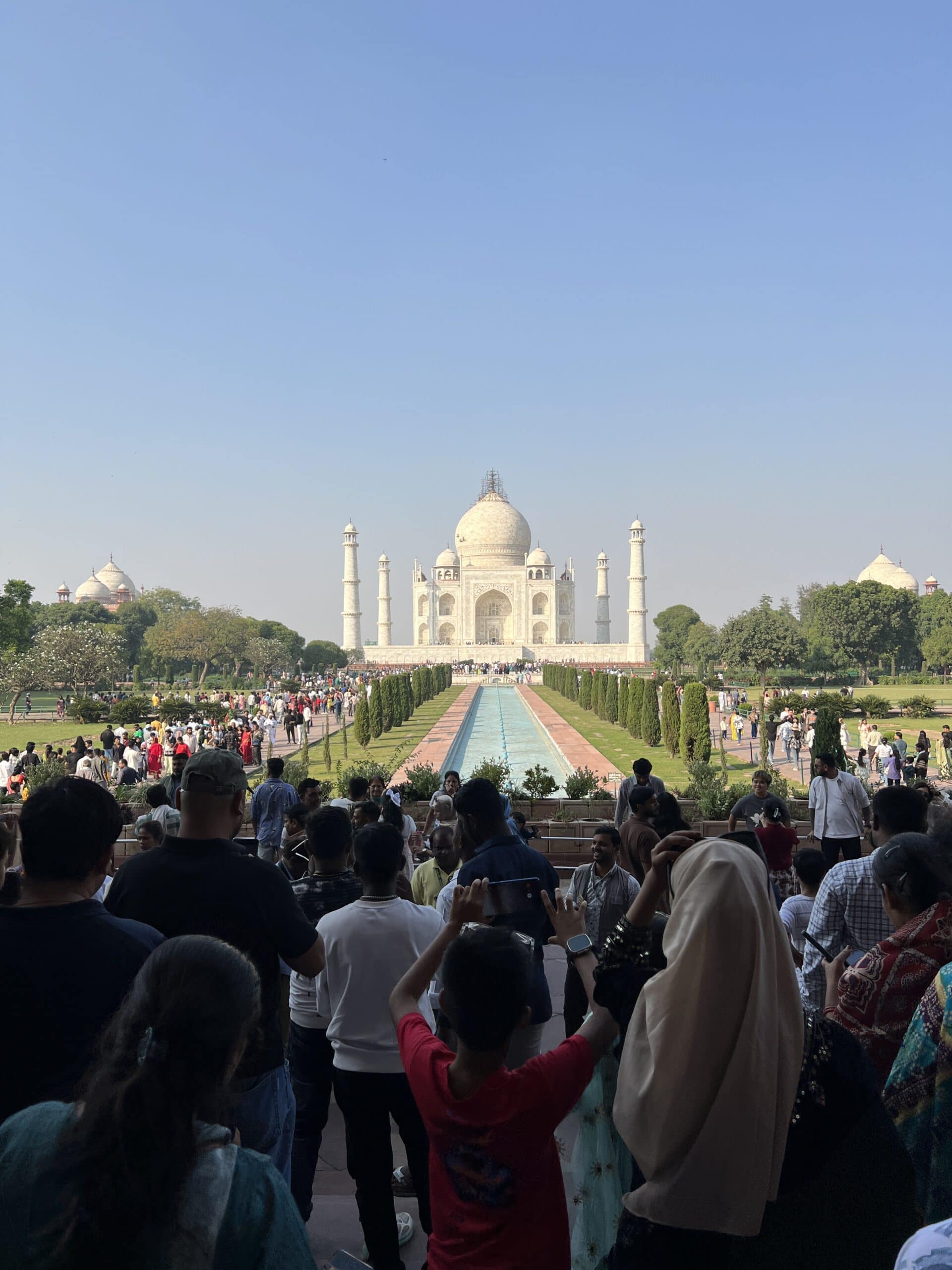
You may find yourself being cut off in a queue, or listening to a clerk assure you, for the fourth time, that something is ‘just coming now, sir.’ Be patient. Notice the body language around you. Two weeks in India won’t make you an expert on the way everything works, and anger is a poor substitute for understanding.
When You Get Something Wrong
You will get things wrong. I certainly have. A greeting might be awkward, a photograph unwelcome, or an impatient remark more hurtful than you intended. A simple apology, a little humility, and a willingness to listen go much further than trying to defend yourself.
That doesn’t mean you must accept every demand, every intrusion, or every uncomfortable situation. Respect is a two-way street. You can hold your boundaries without turning every difference into a confrontation.
What India Has Taught Me About Respect
I still think about the Dopp kit. I think about the bathroom Rakesh insisted on finishing, and the blankets he bought without telling me why. I think, too, about the two men in Delhi whose smiles vanished when I told them to hurry.
None of these moments came with a handbook. Each required me to reconsider what I assumed I understood.
The most useful etiquette advice I can offer is to arrive with curiosity, pay attention, and remember that the customs that feel perfectly natural to you may be just as unfamiliar to someone else. The reward isn’t merely avoiding an embarrassing mistake. It’s making room for relationships and experiences you might otherwise have missed.

 Districts of India: The Geography Between the State and the Village
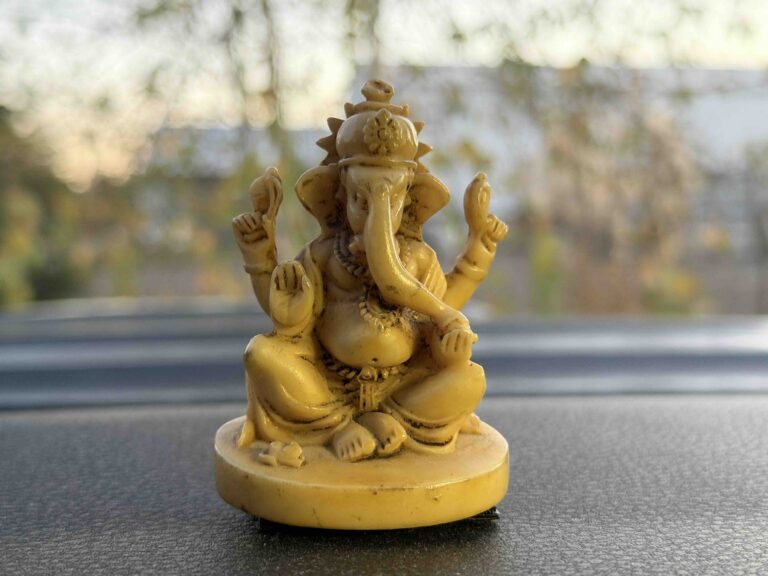 Ganesha: India’s Beloved Elephant-Headed God
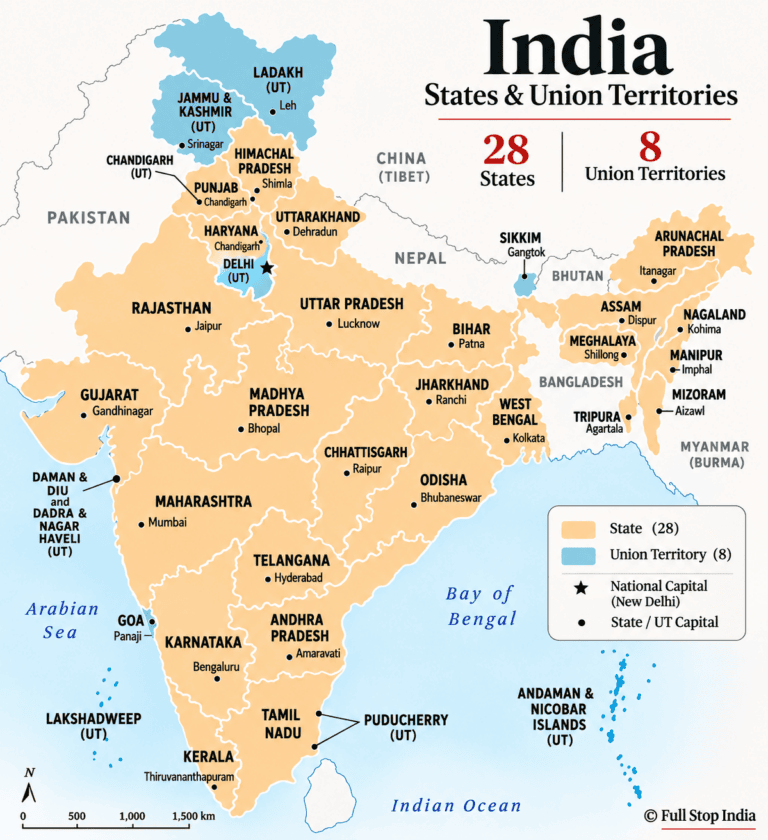 States vs. Union Territories: What’s the Difference?