

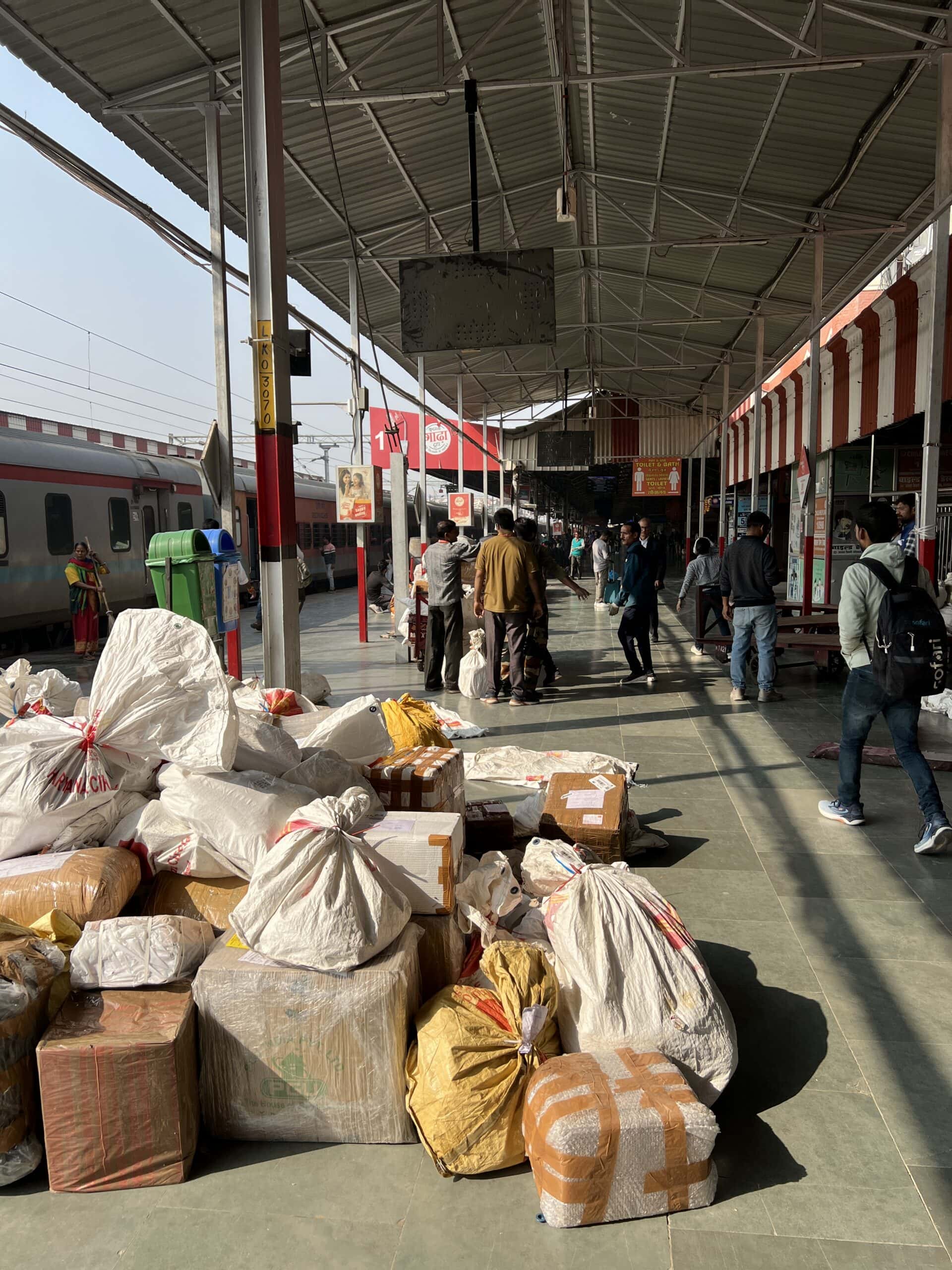
Three ways to cross an extraordinary country, and how to decide which is right for you.
India is a country that rewards curiosity, and sometimes getting from one place to another becomes as interesting as the destination itself. Over twenty years of traveling through India, I’ve experienced the country by train, private car, and domestic flights. Each has its advantages, its frustrations, and its own way of introducing you to the country.
How comfortable are you traveling independently? Have you spent time in large, densely populated cities before? How much luggage are you carrying? Are you physically comfortable handling crowded stations, stairs, and unexpected changes? How confident are you finding the correct railway platform or station exit when signboards may display two or three languages, sometimes in entirely different scripts? How many days do you have in India?
There isn’t one correct way to travel through India. Understanding your options will help you make the most of the time you have. If you’re still deciding how much of the trip to arrange yourself, I’ve written separately about independent travel, private drivers, and organized tours.
Indian railways: The journey is part of the experience
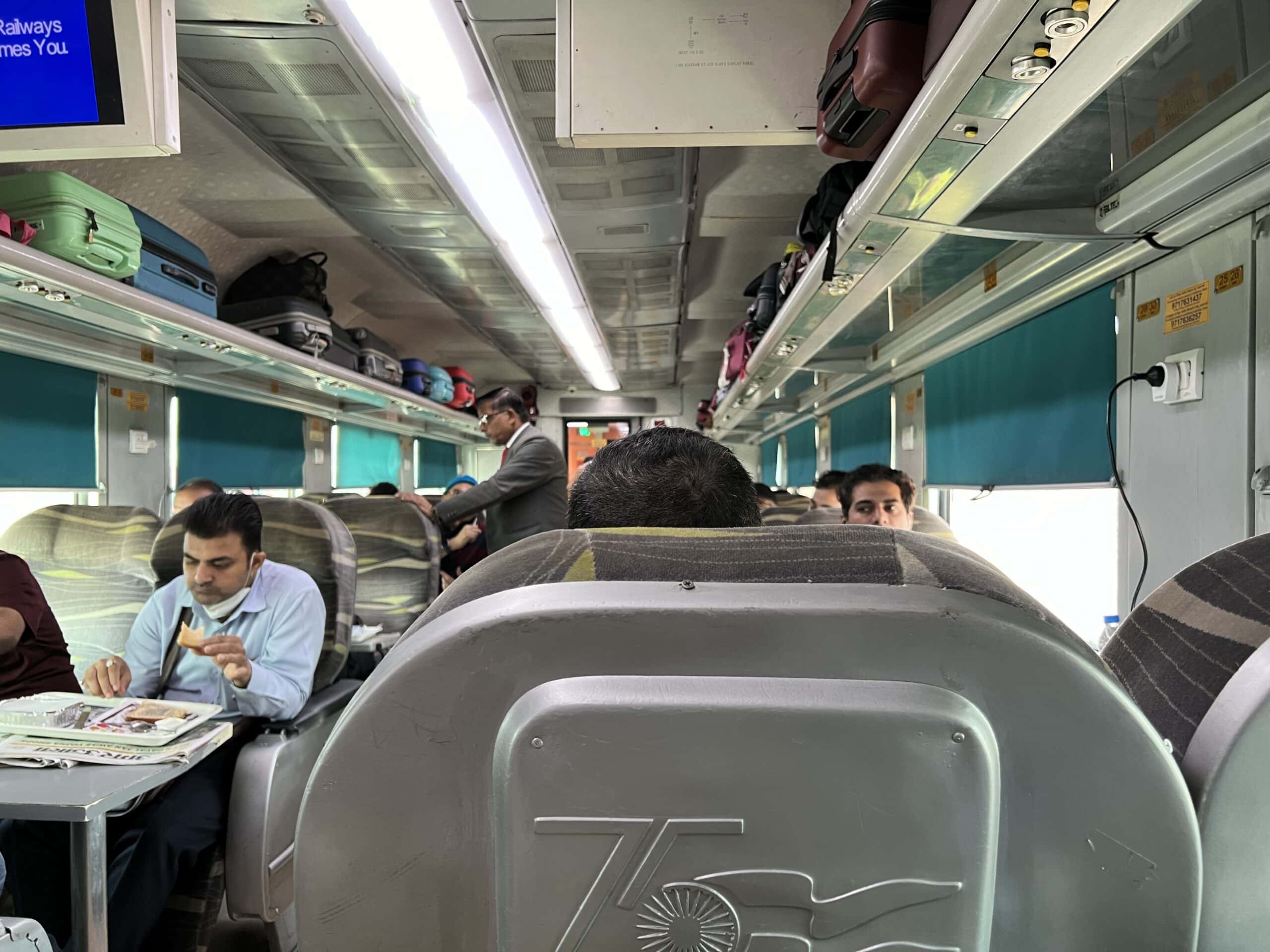
In 2024, I spent the first two weeks of a four-week trip traveling through northern India entirely by train. And I loved every minute of it. I arranged my tickets through a travel agent and chose daytime journeys so I could see India passing outside the windows. I never once wished I’d hired a car instead.
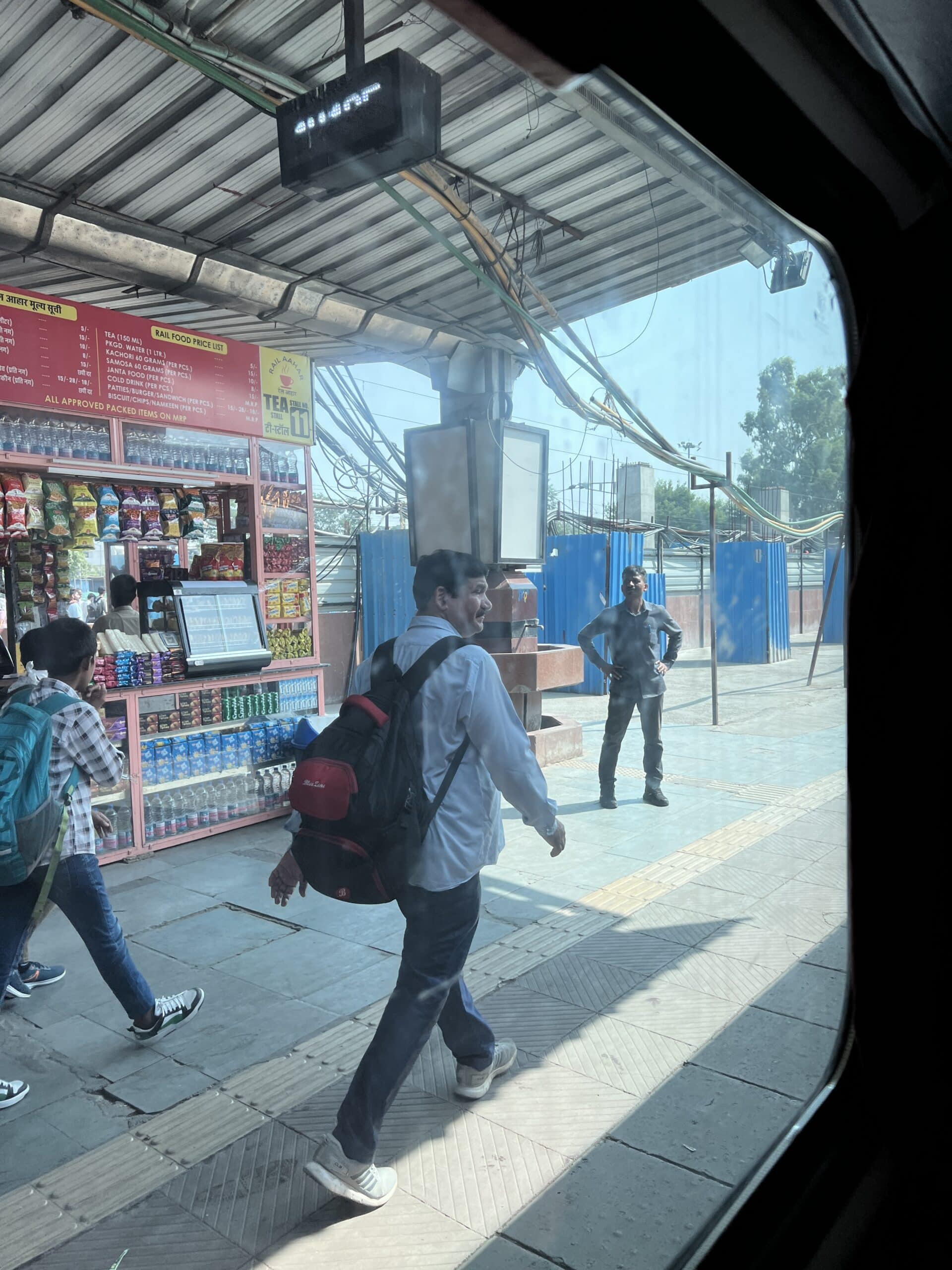
There’s a rhythm to traveling by train in India that I find irresistible. The rocking of the carriage. The horn as the train pulls away. Vendors calling out, “Chai! Chai! Chai!” or “Khana! Khana! Khana!” as they offer tea and food.
And then there’s that unmistakable railway-station chime, followed by the recorded announcement: “May I have your attention, please…”
Anyone who’s spent time traveling by Indian Railways will recognize the chime and the distinctive cadence of those announcements. I can still hear it. In fact, I’m not the least bit ashamed to admit that it’s my mobile phone’s ringtone.
The people you meet along the way
On one journey, I met a gentleman leaving his rural village in Rajasthan for work in Mumbai. He was settling in for a twenty-hour train ride, although he and I would share only a small part of that journey, between his village station and Pushkar, where I would be getting off.
I sometimes wonder what became of him. Did he find the work he was hoping for? Did Mumbai become home, or did he eventually return to his village?
On another train, which I boarded in Lucknow bound for Varanasi, I met a married woman traveling alone. She was returning from a spiritual pilgrimage to one of the Char Dham, making her way toward Howrah, across the river from Kolkata, at the end of the train’s route.
What began as an ordinary conversation became something far more personal. She spoke openly about her troubled marriage, her son, whom she adored, and her work. She shared her uncertainty about whether to remain in the marriage, and her fears about how she would provide for her son if she decided to leave.
Alongside those worries was a sense of pride. She had followed her heart and made the pilgrimage to a temple devoted to her god. Whatever difficulties awaited her at home, she had accomplished something meaningful to her.
I was struck by the trust she placed in a complete stranger, someone she would likely never meet again. Perhaps that was part of what made the conversation possible. I don’t know what happened to her, either. I hope she found some of the answers she was searching for.
These are the encounters I treasure about traveling by train in India. People whose lives might otherwise never intersect with mine, sharing a few hours, a conversation, sometimes something much more profound.
Understanding Indian train classes
- AC First Class (1A): Air-conditioned sleeping accommodation with enclosed cabins or coupes, depending on the train and allocation; not available on every service.
- AC 2-Tier (2A): Air-conditioned sleeper accommodation with two-tier berths.
- AC 3-Tier (3A): Air-conditioned sleeper accommodation with more berths per bay.
- AC Chair Car (CC): Reserved, air-conditioned seats on many daytime intercity trains.
- Executive Chair Car (EC): More spacious seating on selected premium daytime services.
- Sleeper Class (SL): Non-air-conditioned sleeper accommodation, generally more basic than AC classes.
Train types and configurations vary. For a first-time visitor seeking comfort, I’d start with reserved, air-conditioned accommodation. I’ve also traveled on overnight trains during earlier visits; those offer a different experience from my daytime journeys in 2024.
Booking train tickets
You can book through the official Indian Railways ticketing platform, IRCTC, or arrange tickets through a reputable travel agent. I used an agent, which made the process considerably easier.
Popular trains and higher classes can sell out well in advance. Reservations may show confirmed, RAC (Reservation Against Cancellation), or waitlisted status. Don’t assume a waitlisted ticket guarantees you a seat or berth.
One app I particularly recommend is ixigo, which I use to track train-running information. Before traveling, verify your train number, station, departure time, ticket status, and platform when announced.
Thirty seconds to spare in Lucknow
Let me tell you about the time I nearly missed my train in Lucknow.
I’d arranged a transfer from my hotel to the railway station. Our driver was young, inexperienced, and spoke almost no English. My Hindi, which normally gets me through plenty of situations, wasn’t making much of an impression on him either.
Lucknow has two railway stations close enough to reach one from the other fairly quickly by car, yet far enough apart that being dropped at the wrong one could mean missing your train. I knew exactly which one we needed.
As we approached, I watched our driver slowly creep past the entrance. “Stop! Yahi! Yahi!” (meaning, “Right here! Right here!”) Nothing. He continued driving. I tried again. Still nothing.
The minutes were ticking away, and I knew our train was on time because I was following its progress on ixigo. We passed the first station. Then the second.
Now we were somewhere behind the railway complex, in the back-of-house area of a laundry building. Towels, napkins, and sheets were billowing out of rolling carts, with linens scattered across the ground. This was definitely not where we needed to be.
I sent a desperate text to my travel agent in Delhi: “HELP!”
Within seconds, our driver’s phone rang. I recognized the voice immediately. My travel agent, sounding considerably sterner than usual, was instructing him to get us back to the correct station. Immediately. Apparently, that was the motivation he needed.
When we finally reached the entrance, the car had barely stopped before I was out and trying to open the trunk to retrieve our luggage. We fast-walked, then jogged, through the station, found the correct platform, located our carriage, and climbed aboard.
Thirty seconds before departure.
It sounds like something out of a Bollywood movie. Except it happened exactly that way. No dramatic embellishment necessary.
When someone asks whether they should travel by train in India, the questions aren’t only which class to book or how comfortable the seats are. Can you keep your wits about you when the clock is ticking, you’re struggling to communicate, and signs are in languages or scripts you may not recognize? Can you find the correct platform and carriage while hauling your luggage? What if you’re under the weather, or it’s hot and sticky?
I’d never discourage someone from experiencing Indian rail travel. I love it. I simply want travelers to appreciate that traveling independently in a foreign country sometimes requires quick thinking, patience, physical stamina, and a willingness to deal with things that don’t go according to plan.
Private drivers: Freedom to explore beyond the itinerary
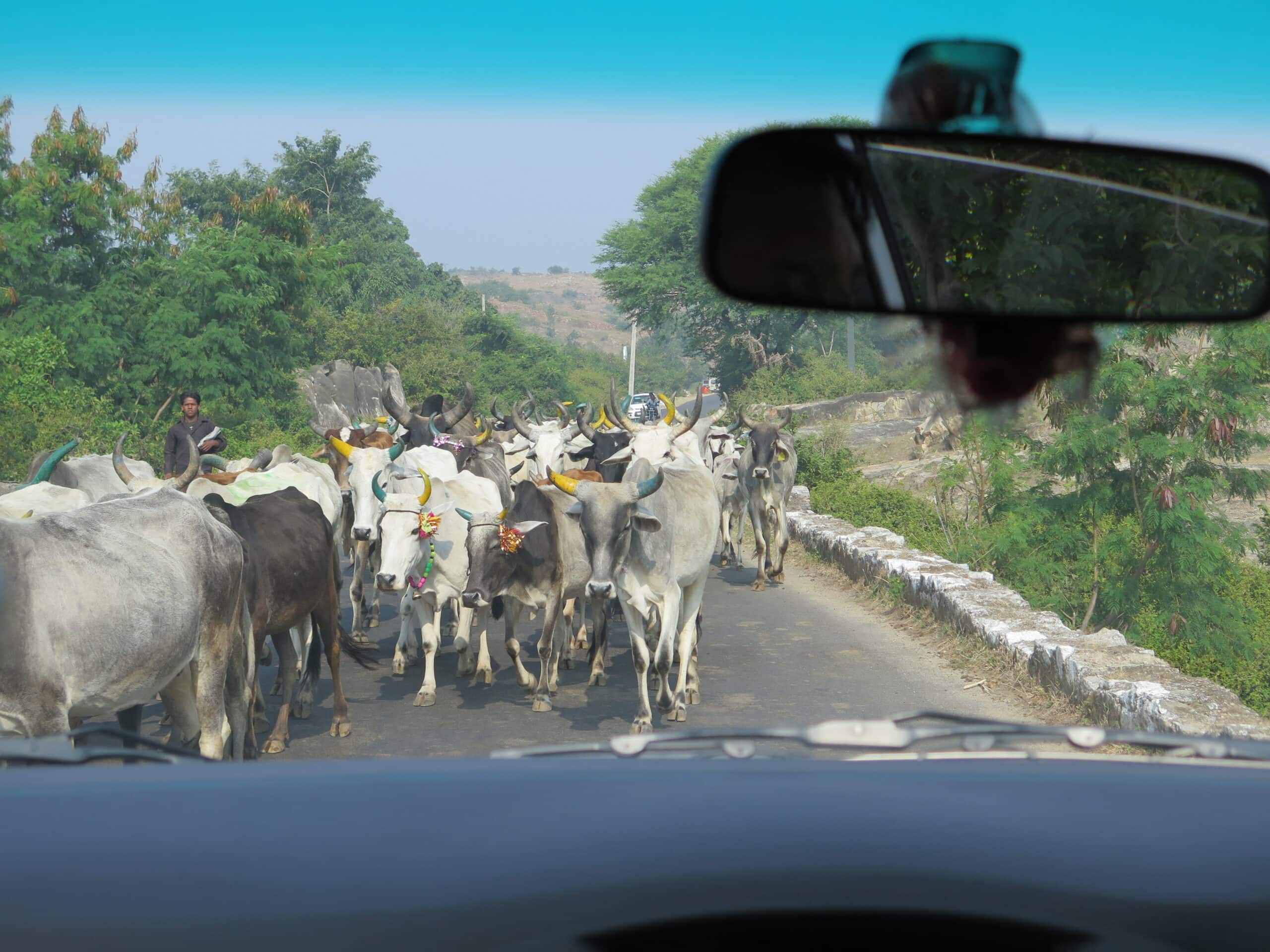
Hiring a private car and driver can be an excellent way to travel between cities or explore areas less conveniently connected by public transport. Across my twelve trips to India, I’ve used private drivers in some capacity on every single journey, whether for a few days or a longer stretch of the itinerary. I first traveled with a driver named Rakesh in 2005, and the flexibility of having a car and driver has remained a valuable part of how I travel in India.
A driver means less luggage handling, flexibility with stops, and the ability to adjust the route when something catches your interest. For me, that flexibility is the greatest advantage.
A detour in search of jaggery
During my 2025 journey through India, there was one experience I was particularly determined to share with my brother: watching jaggery being made. I’d seen the process on an earlier trip and thought it was fascinating.
Jaggery is an unrefined sugar commonly made from sugarcane juice. Seeing how it’s produced at a small working operation is a fascinating, untouristy thing to do.
We were traveling from Delhi toward Haridwar, possibly near Meerut, when I began pursuing the idea. I made one call to my travel agent to ask for help finding a working jaggery operation. With the agent’s help, our driver took us off the main highway, and we eventually found a small operation beside a family’s sugarcane field.
We arrived unannounced, toward the end of their working day. Most of the work had already been completed. The people there gathered around, happy to show us the motor, machinery, and large concrete-lined basins used at the operation.
They seemed genuinely astonished that four foreigners had gone out of their way simply to see how jaggery was made. Something so ordinary to them was fascinating to us.
I became so absorbed in the experience that I barely remembered to take photographs. I managed a few pictures of the machinery and basins, yet somehow missed photographing the lovely group of people who had gathered around us. I wish I’d taken that picture.
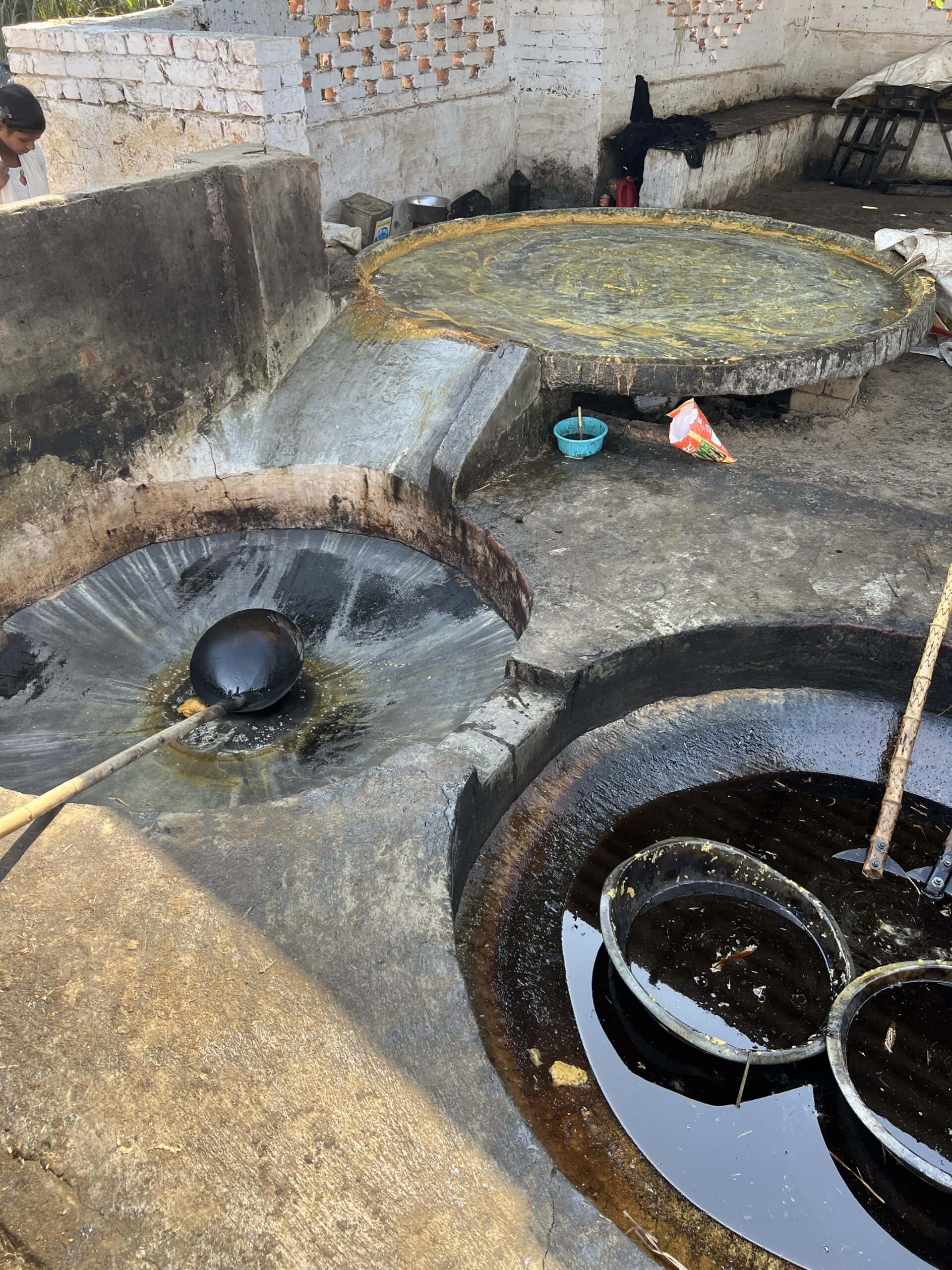
There was no admission ticket, no scheduled demonstration, and no souvenir shop. We’d simply turned up at a working sugarcane operation, asked questions, and been welcomed by people generous with their time.
It wasn’t our driver who came up with the idea. I knew what I wanted to see, and it took persistence to find it. Having the flexibility to leave the highway and investigate made all the difference.
A good driver makes a difference
Not every driver experience is equal. Before confirming a multi-day arrangement, ask about the vehicle, air-conditioning, working seat belts, luggage capacity, driving hours, and flexibility for stops. Clarify whether fuel, tolls, parking, accommodation, driver allowances, and extra mileage are included.
Long driving days can be tiring, even as a passenger. And be clear if you don’t want unsolicited shopping stops. I’d choose a private driver when traveling with family or friends, visiting smaller destinations, or wanting freedom to change plans along the way.
Domestic flights: Efficient, convenient, and a few things worth knowing
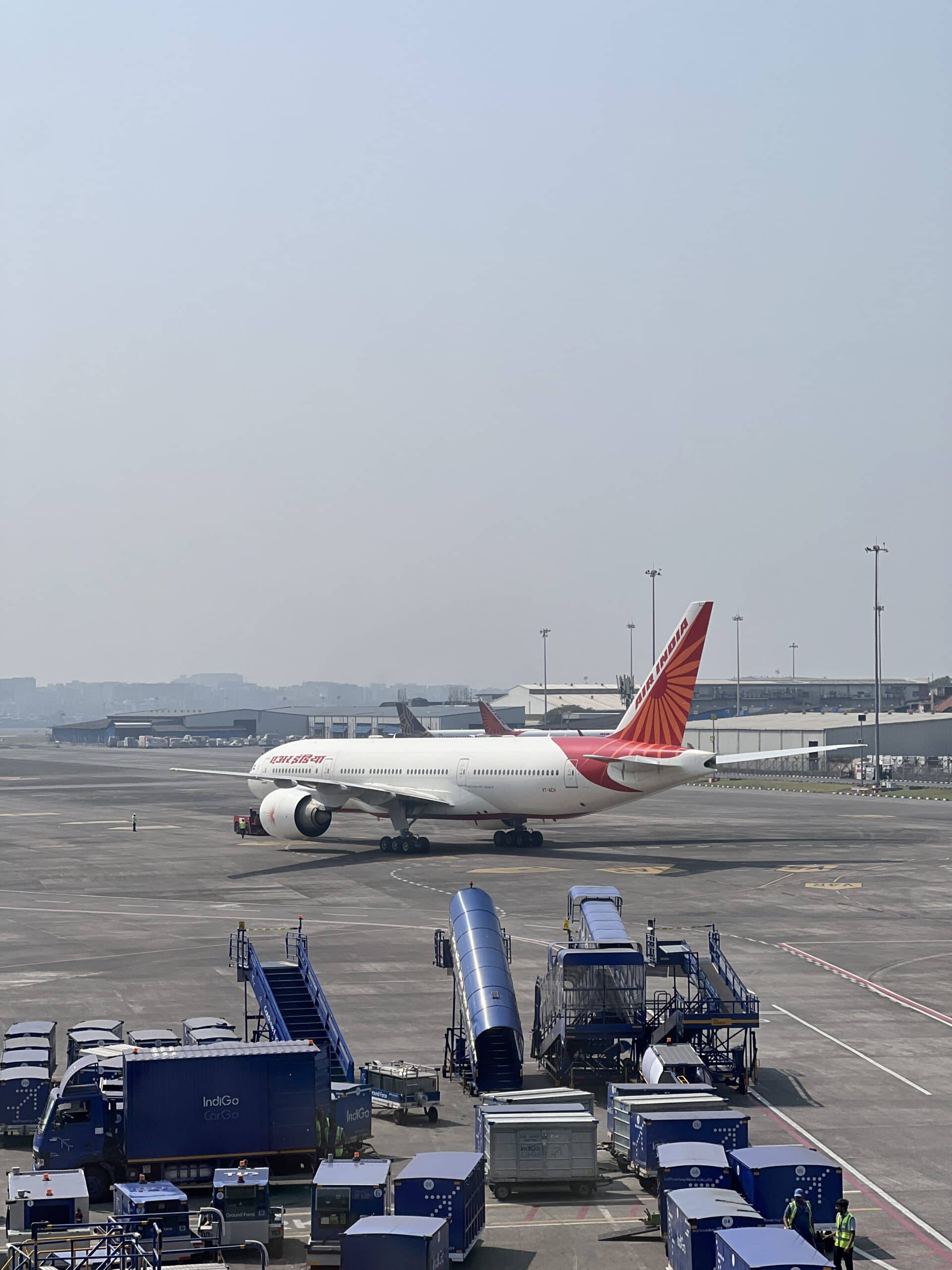
India is enormous, and sometimes flying makes the most sense. Between 2023 and 2025, I took ten domestic flights within India. Nine were on IndiGo and one on Air India. Every single flight was on time. Overall, my experience has been very positive.
The time I lost my front-row seats
On a flight from Delhi to Ahmedabad, I’d paid extra for first-row seats for myself and my Hindi tutor. We were asked to move to seats in the middle of the plane because crew members traveling as passengers needed ours.
I objected. I’d paid a premium for those seats. There I was, the only foreigner I could see on an otherwise entirely Indian flight, holding up boarding while arguing about two seats. Eventually, I stood down and moved.
The more frustrating part came afterward: the food and beverages I’d prepaid for remained attached to the original seat numbers. No matter how I explained it to the flight attendants, they wouldn’t provide the service I’d already purchased.
Would I fly IndiGo again? Absolutely. My other flights were uneventful. I would, however, keep receipts for seat upgrades, meals, and other extras readily accessible.
Indian airport security: Take it seriously
There’s something I want first-time visitors to understand about Indian airports: security is serious business. Armed guards, repeated document checks, baggage screening, and searches are part of the experience.
I’ve overheard frustrated travelers making loud or sarcastic comments to security personnel, and I’ve seen people emerge from additional screening visibly upset, sometimes in tears. An Indian airport is not the place to test how far you can push an argument with security.
Follow the signs and instructions. If you genuinely don’t understand a request, ask politely for clarification. Cooperate with screening and keep your belongings organized. You can ask for a supervisor or use an official complaint channel if necessary; remaining composed is far more productive than confronting officers.
A short flight isn’t necessarily a short journey
A ninety-minute flight doesn’t mean you’ll reach your next hotel in ninety minutes. Both Goa airports can involve another 45–90 minutes by car to popular destinations along the coast, depending on the location and traffic. From Cochin International Airport, reaching hotels in Fort Kochi can take another 90–100 minutes.
Add the journey to the departure airport, check-in, security, boarding, baggage claim, and transfer at the other end. Compare the real door-to-door time with a train or private car.
A few practical considerations
Domestic baggage allowances can differ from your international flight, especially on separate tickets. And boy, can they be strict. Down to the ounce. Check both checked and carry-on limits, weigh your luggage before leaving the hotel, and buy extra allowance in advance when possible.
Keep your passport handy. And I mean really handy. At the terminal entrance, expect to present your passport and flight details to armed security personnel. Have them accessible again at check-in, security, boarding, and whenever requested. Exact checks vary by airport and procedure, so don’t bury your documents in your bag.
Departure gates in India can be like musical chairs. I’ve learned to watch the departure screens closely because gates can change, sometimes more than once. Check airline notifications, listen for announcements, and ask an employee when something doesn’t match. Verify current schedules and policies directly with your airline.
Why you don’t have to choose just one
Some of the best itineraries combine all three methods. You might fly from Delhi to a distant region, explore several destinations with a private driver, and take a train for an interesting intercity journey. Or spend most of your time by rail and use a flight to avoid a very long connection.
There’s no prize for choosing the most complicated option, and hiring a driver doesn’t make your experience any less authentic. Choose transport for the individual journey rather than committing to one method for the entire trip.
How I’d decide for a first trip to India
Someone who has traveled independently through major metropolitan cities around the world may be comfortable arriving at a crowded Indian railway station, reading unfamiliar signs, finding the platform, and boarding the right train.
Delhi and Mumbai are metropolitan areas of enormous scale, home to tens of millions of people. Population estimates vary with the boundaries used, yet the traffic, crowded stations, and sheer activity can surprise visitors who’ve never experienced anything comparable.
If your travels have mainly involved smaller cities or transportation arranged for you, a private car and driver might be a more comfortable introduction. Neither approach makes you a more accomplished traveler. Be realistic about luggage, stamina, your time available, and how much uncertainty you enjoy.
The journey is India, too
I remember the gentleman heading toward Mumbai, wondering what awaited him there. The woman returning from her pilgrimage, speaking openly about difficult decisions. Four foreigners beside a sugarcane field, surrounded by people who couldn’t quite understand why we’d come looking for jaggery. Even the frustration of losing our seats on the flight to Ahmedabad.
Each happened because I was traveling between destinations. The train, the road, and the flight aren’t simply the spaces between the places you’ve come to see. They’re part of the trip.

 How to Prepare for Culture Shock in India
 Which Airport Should You Fly Into in India?
 Where to Stay in India: Finding Hotels, Guesthouses & Hidden Gems