

From heritage hotels and neighborhood guesthouses to boutique properties and Airbnbs, finding the right place to stay in India is part research, part instinct, and occasionally a very happy accident.
Once I know where my travels in India will take me, one of my favorite parts of planning begins: finding somewhere to stay.
And by finding somewhere, I don’t mean pulling up a booking website, sorting by price, and choosing the first attractive hotel with a respectable rating.
I dig. Deep.
I’ll spend hours on Google Maps, examining neighborhoods, looking at nearby restaurants, parks, shops, and streets. I’ll move the map a few blocks in either direction, discover another interesting property, open a dozen browser tabs, and eventually find myself somewhere entirely different from where I started.
It can be a rabbit hole. A rather enjoyable one.
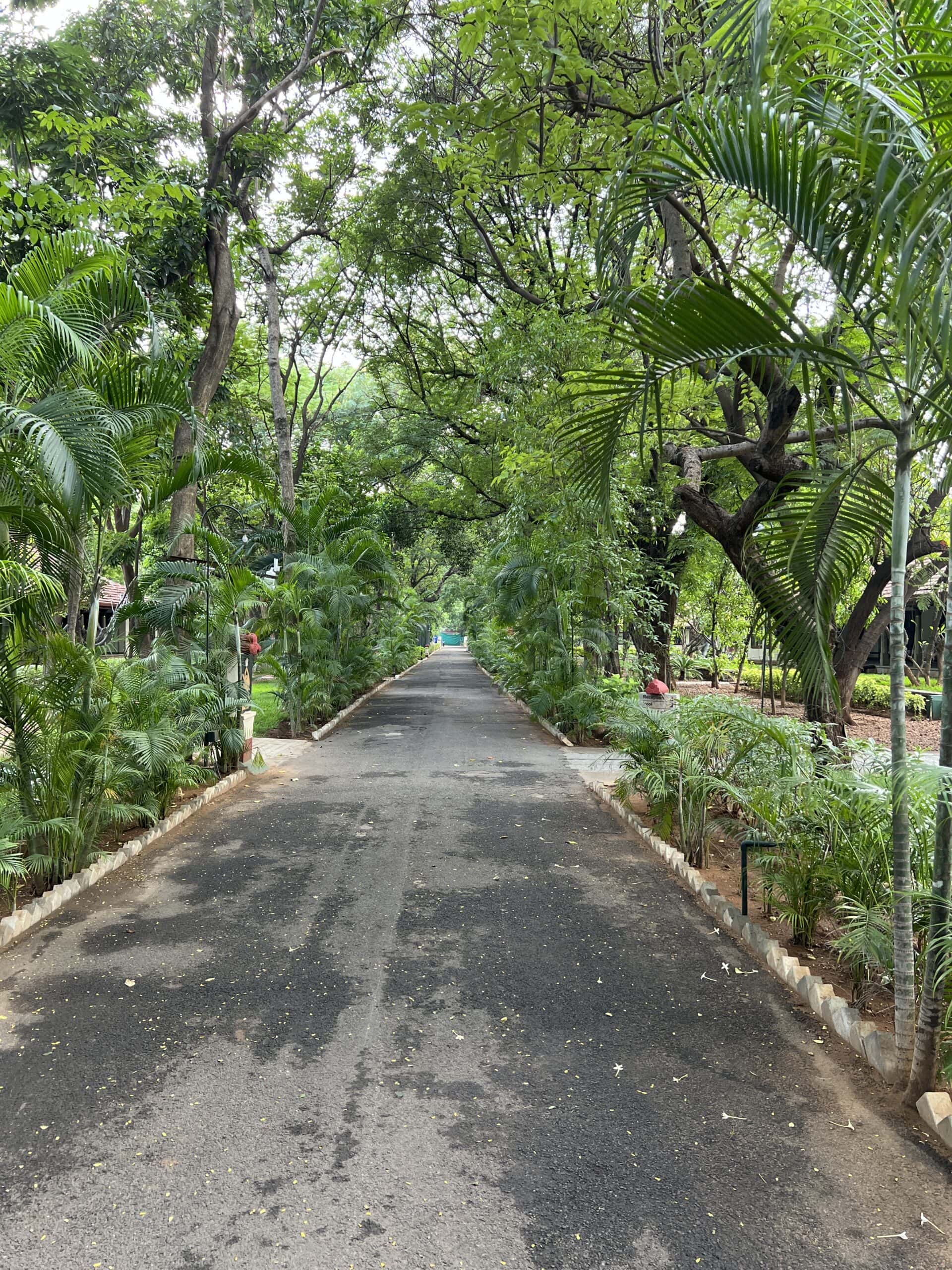
India has an extraordinary range of accommodations, from grand palaces and restored havelis to modest guesthouses, dependable budget hotels, and private apartments. The challenge isn’t finding somewhere to sleep. It’s finding somewhere that suits the particular journey you’re taking. Your choice also depends on how you plan your India itinerary.
Over the years, some of my most memorable discoveries have come from this process. And a few disappointments have reminded me that even extensive research doesn’t guarantee getting everything right.
Start With the Neighborhood, Not the Hotel
Before I become attached to a property, I want to understand where it is.
Delhi is a good example. I’ve long been intrigued by the possibility of staying in or near Hauz Khas or Green Park. Both neighborhoods interest me, but the logistics don’t always work in favor of easy access to everything I have planned. Greater Kailash continues to pique my interest. Connaught Place, on the other hand, is a hard no for me.
These are personal preferences, of course. Someone else might love being in the middle of Connaught Place. But that’s precisely the point. Where you stay should reflect how you want to experience the city.
I look at the streets surrounding a property. Are there restaurants within walking distance? A coffee shop worth visiting in the morning? A park? Shops or markets? Can I step outside and immediately feel connected to the neighborhood?
And then come the practical considerations.
Is there a metro station nearby? Can an Uber driver easily find the entrance? If I’m arriving by train, how far away is the station?
Being close to a railway station might sound convenient, but that isn’t always a good thing. The surrounding streets can be congested, noisy, and chaotic. Sometimes a hotel a short drive away offers a much more pleasant experience.
I’ve learned this lesson with Airbnbs, too.
Most of my Airbnb experiences in India have been excellent, and I’m increasingly drawn to them when traveling independently. But one property was a disappointment, largely because I hadn’t properly understood its location. Uber drivers had a terrible time finding me, and once I became familiar with the city, I realized I was farther from the neighborhood where I actually wanted to spend my time.
The accommodation itself wasn’t necessarily the problem. My research was.
Now I pay even closer attention to the surrounding streets and how I’ll actually reach the property. An appealing room means considerably less when getting to and from it becomes a daily frustration.
Following the Leads
Google Maps is my starting point, but it’s hardly my only resource.
I use Google searches with combinations such as boutique hotel in Jaipur, best independent hotels in Mumbai, or heritage hotels in Rajasthan. One promising result leads to another, and before long I’ve accumulated a shortlist that needs investigating.
This is how I discovered Niravi in Jaipur, a fantastic property in a neighborhood with nearby shops and restaurants. It’s also how I found 1st Gate in Jaisalmer, a wonderful property overlooking the fort.
Neither discovery came from simply choosing the first hotel presented to me.
I still own the Love, India guidebook series, and those books get dusted off before almost every trip. They’re becoming dated now. Some properties have changed, others have disappeared, and recommendations that once seemed exciting don’t always hold up. But every so often I find a little nugget that sends me searching.
Instagram has also become a significant influence. I follow particular travel accounts that continually introduce me to properties, neighborhoods, and destinations I might otherwise overlook. Some have led me to wonderful places.
But an attractive Instagram photograph isn’t a booking recommendation. It’s a lead.
I’ll return to Google Maps, investigate the location, read reviews, look at guest photographs, and visit the property’s website before deciding whether it belongs on my shortlist.
What Kind of Accommodation Are You Looking For?
One of the pleasures of traveling in India is that you don’t need to stay in the same kind of property throughout your trip.
A beautifully restored heritage hotel might be wonderful for three nights in Rajasthan. A practical budget hotel might be ideal for a brief stop between cities. A guesthouse could provide a more personal experience in Delhi, while an Airbnb might make sense when settling into a neighborhood for several days.
Each has something different to offer.
Heritage Hotels and Boutique Properties
India’s heritage hotels are among its most interesting accommodations. Former palaces, havelis, clubs, and historic residences have been adapted to welcome travelers, often preserving architectural details that would be difficult to replicate in a new building.
Heritage Madurai, in Tamil Nadu, really struck me.
Originally a British-era club, the property has an architectural symmetry that immediately appealed to me. The rooms are large and clean, and the grounds are lush and beautifully maintained. The private plunge pool is particularly wonderful after a long day of dusty, hot sightseeing.
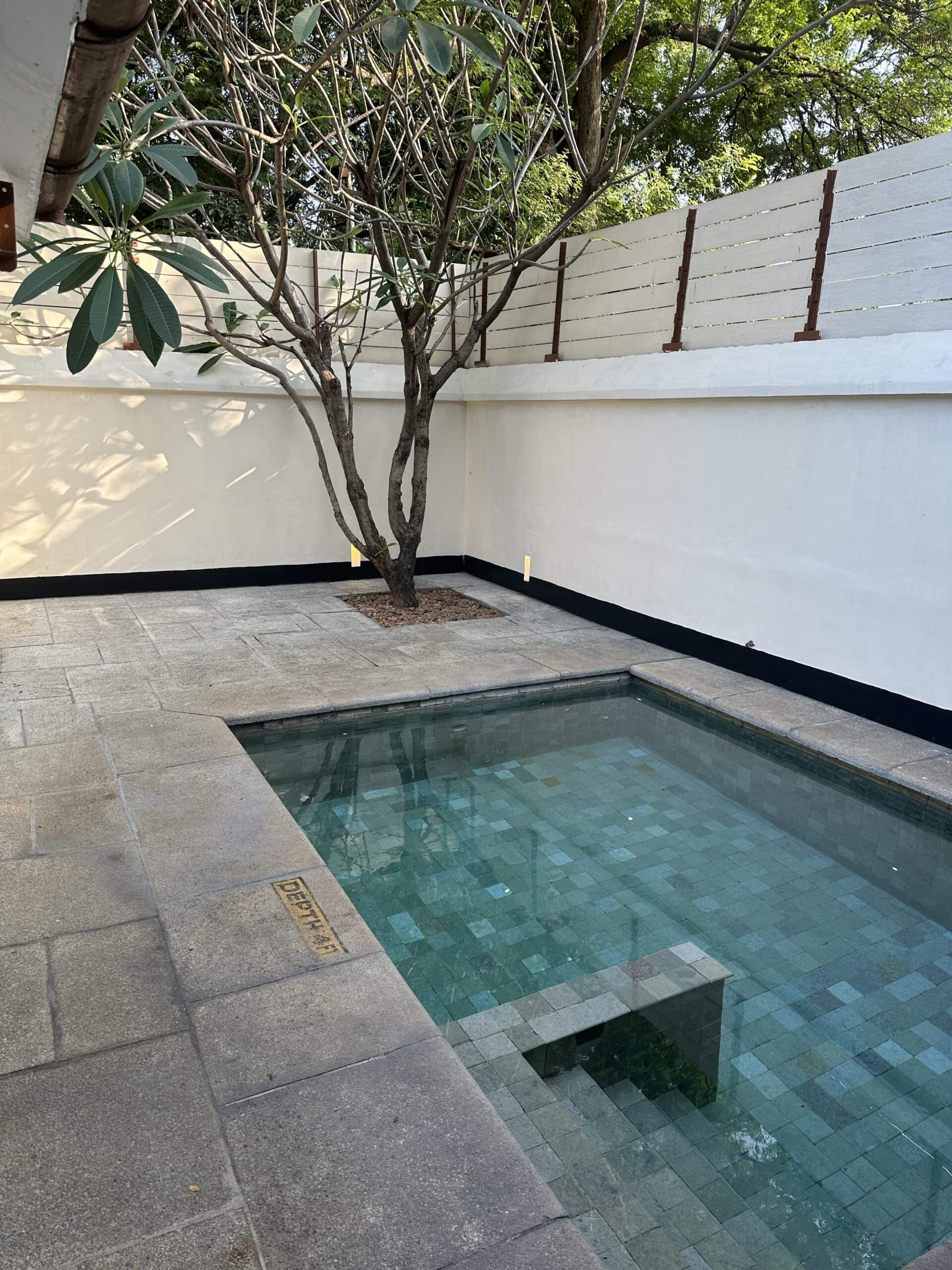
It’s a place where the architecture, landscape, and accommodations work together.
Not every heritage property will have all the conveniences of a modern hotel. Older buildings can have unusual layouts, limited natural light, or bathrooms fitted into spaces never intended for them. But when the restoration is thoughtful, the character of the building becomes part of the experience.
Boutique hotels offer a different kind of pleasure.
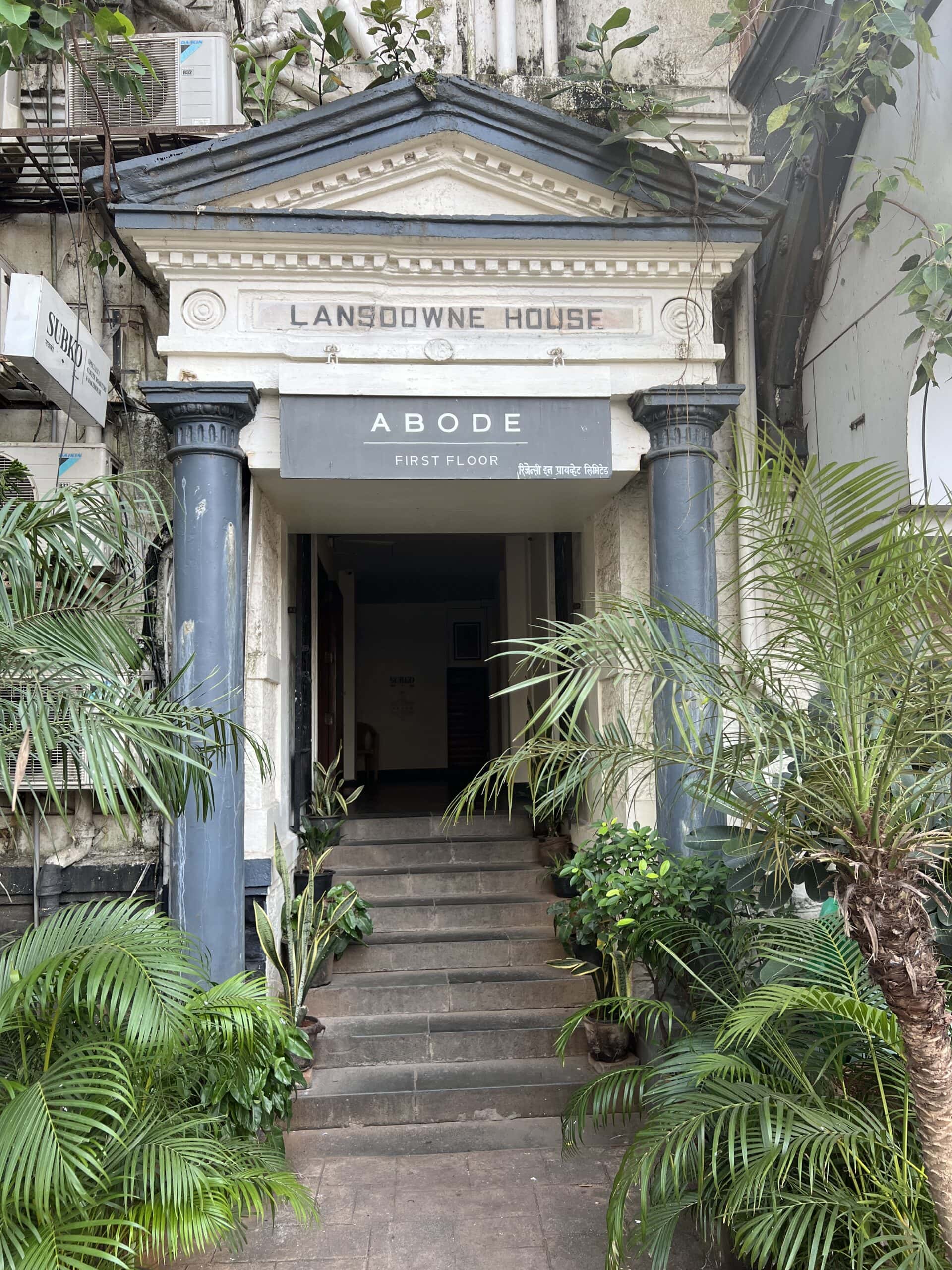
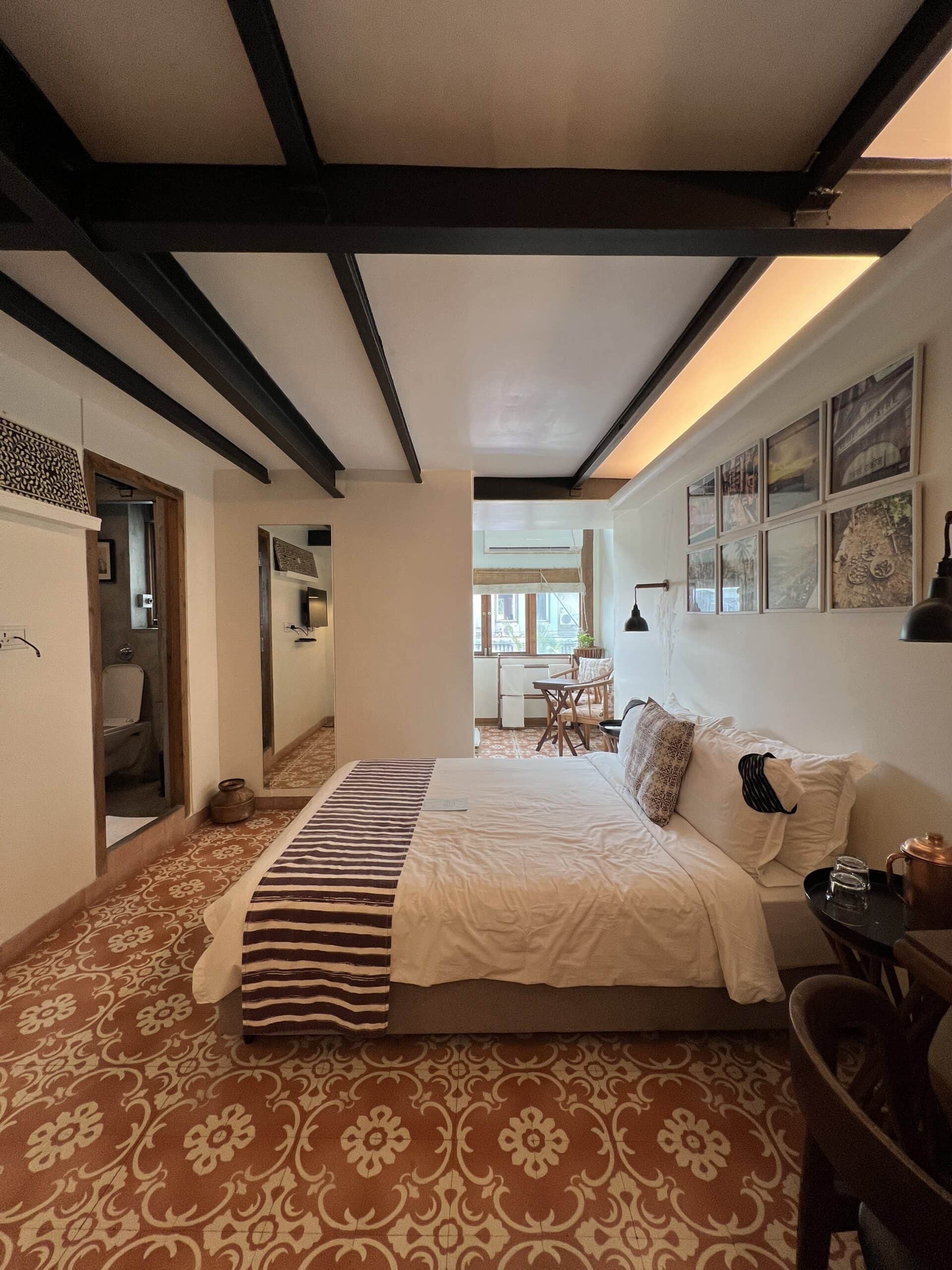
Abode in Mumbai’s Colaba neighborhood is a delicious little find. It’s brimming with character, the rooms are lovely despite the cramped quarters of the neighborhood, and the staff have always been exceptionally kind and helpful.
Then there’s EKAA in Agra, a little gem where I’ve enjoyed chatting with the managing partner during my stays. The staff are a dedicated group of men whose kindness and commitment to service make me smile. And the special Agra thali served in-house is well worth making dinner plans around.
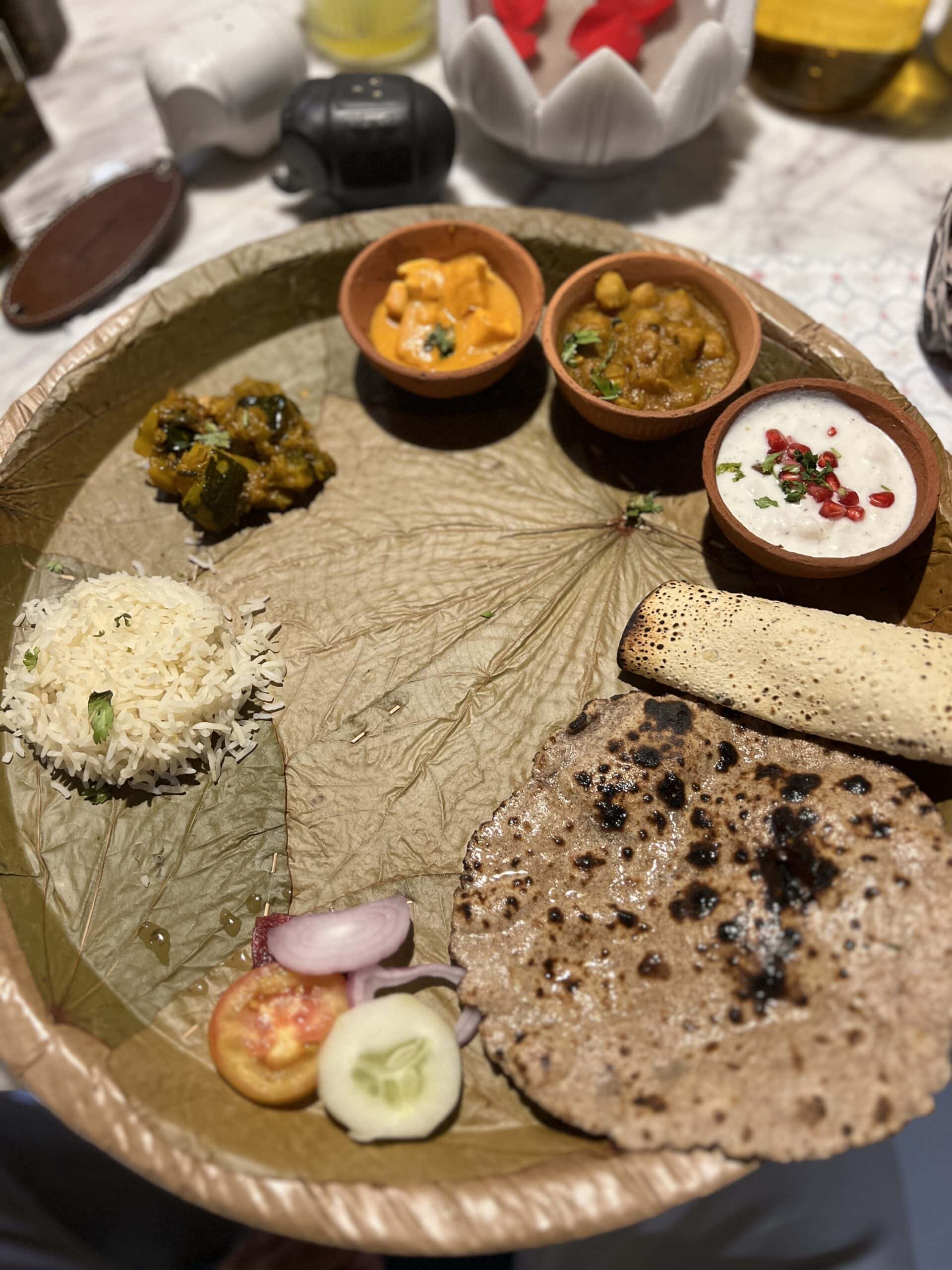
These properties remind me that a memorable hotel isn’t necessarily the largest, newest, or most expensive. Sometimes it’s the attention to detail and the people looking after you.
Guesthouses and Homestays
Guesthouses can offer something that larger hotels sometimes struggle to provide: a sense of community.
Lutyens Bungalow in Delhi is a lovely example.
It appears to be run by a mother and daughter, with a staff of young men attending to luggage, maintenance, and the many little tasks involved in keeping the property running.
The rooms are small—charming is probably the better description—but the location is excellent. Both Khan Market and Lodhi Garden are within walking distance, and I consider them essential stops whenever I’m in Delhi.
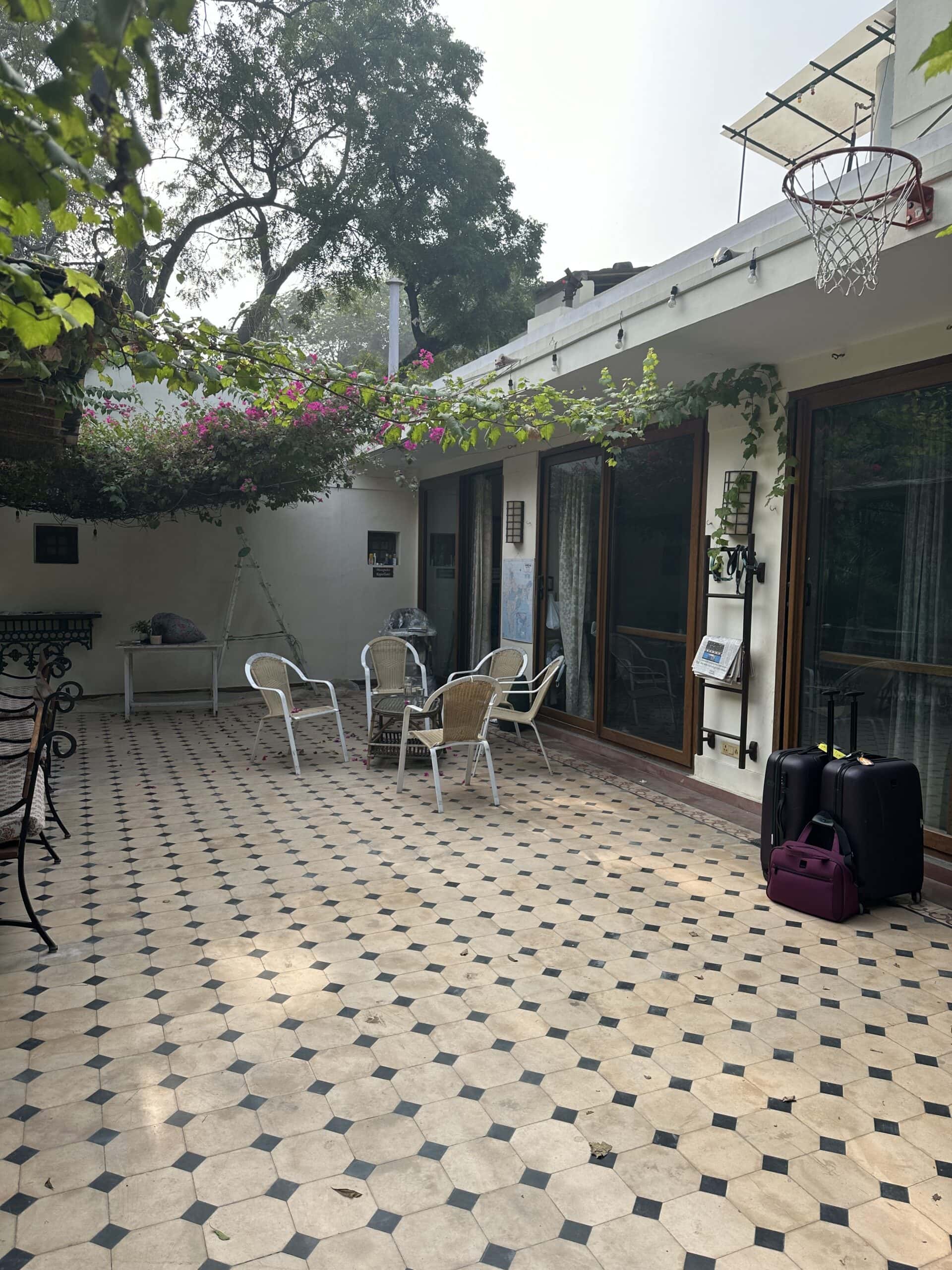
What really makes the experience, though, is the other guests.
Over dinner or breakfast the following morning, you’ll hear people recounting their days in the big city. Someone has discovered a remarkable market. Someone else is heading off to Rajasthan. Stories and recommendations begin circulating around the table.
I find those conversations motivating. Hearing someone else’s enthusiasm can send you back into the city with renewed curiosity.
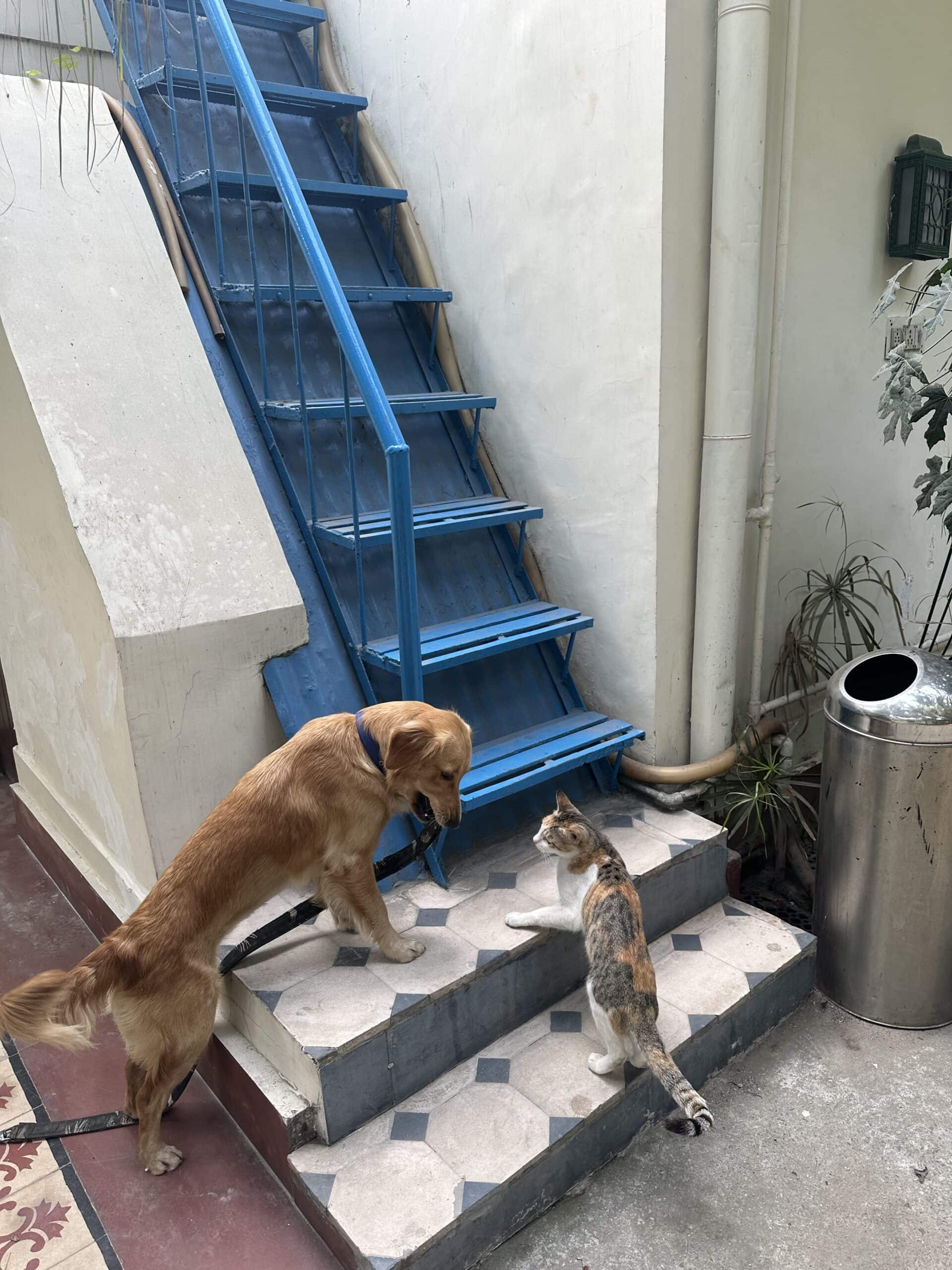
Homestays offer another possibility, particularly in smaller towns and rural areas. Some provide opportunities to interact with local families and enjoy home-cooked meals; others operate more like independent guesthouses. It’s worth understanding which kind of experience you’re booking.
Budget Hotels and Hostels
You certainly don’t need a luxury hotel budget to travel comfortably in India.
I’ve stayed in Ginger hotels and found them terrific value. Lemon Tree is another group I’ve used. They can be sensible choices when you want a clean, practical place to stay without paying for amenities you may barely use.
Sometimes I want the memorable heritage property. Other times, I simply want a good room, a comfortable bed, and a convenient location.
I haven’t stayed in a hostel in India, so I can’t offer a firsthand recommendation. But they’re worth considering for travelers on tighter budgets or those interested in meeting other people. Some offer private rooms as well as shared dormitories, providing a middle ground between privacy and the social atmosphere of a hostel.
I’d be particularly attentive to recent reviews, cleanliness, security, and location.
Airbnbs and Private Apartments
Airbnbs are becoming one of my favorite ways to stay in India, especially when I’m traveling more independently.
There’s something appealing about having a place of your own. Perhaps a terrace, a little extra room to spread out, or simply the freedom to settle into a neighborhood without feeling as though you’re passing through a hotel.
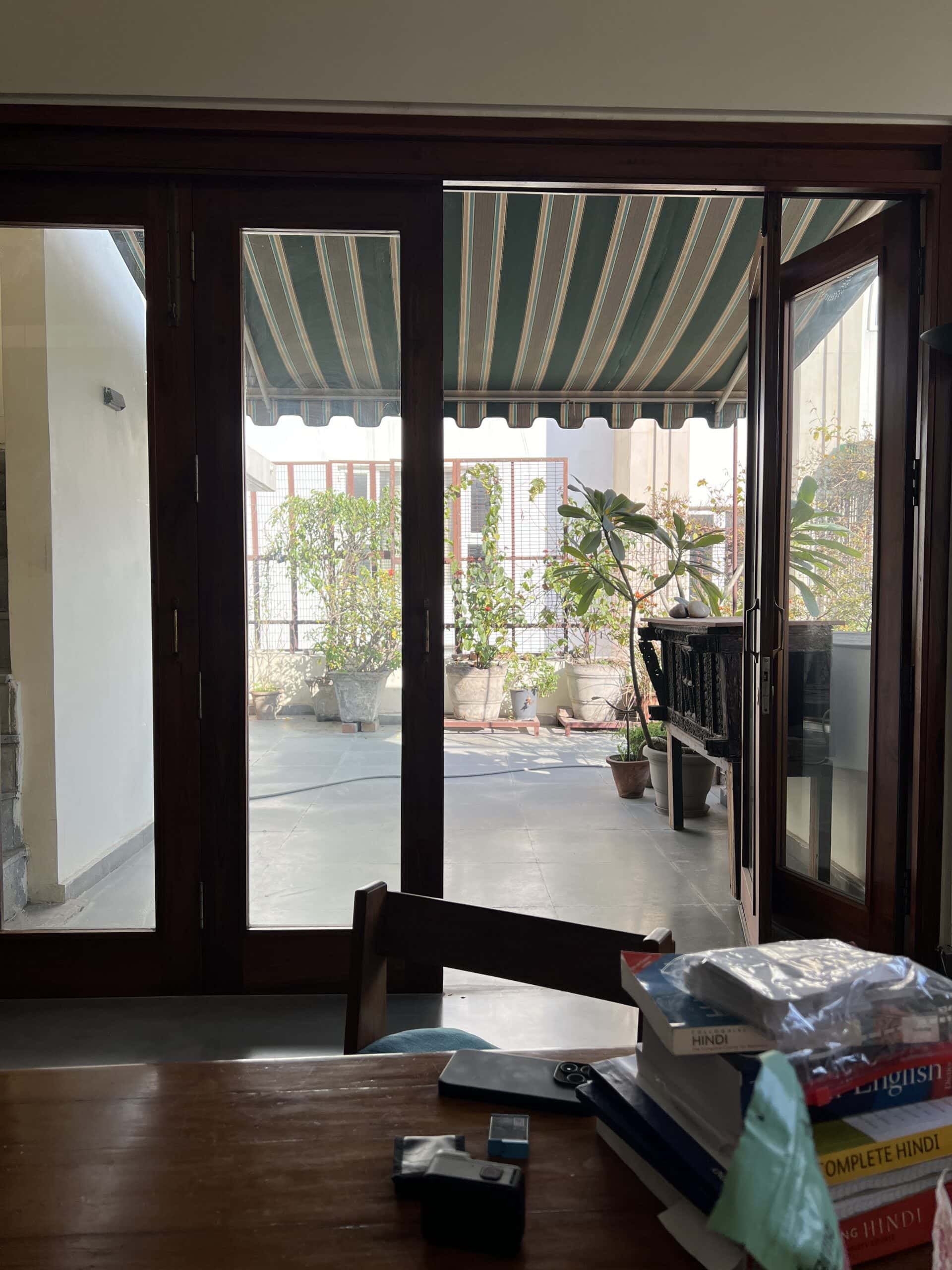
I’ve had some excellent experiences and expect I’ll continue searching for new favorites around the country.
For longer stays, the extra space can be particularly welcome. But I want to know exactly where the apartment is, how check-in works, and whether someone will be available if a problem arises.
As my one disappointing experience taught me, understanding the location is every bit as important as liking the photographs.
Indian Hotel Groups Worth Knowing
Two Indian hospitality groups deserve special mention.
In South India, I think you’re missing something if you don’t experience at least one CGH Earth property.
What I admire about the group is its approach to restoring historic properties and connecting guests with the surrounding region. The architecture, food, traditions, and local story become part of the stay. Their Chettinad property was a particularly wonderful discovery.
And then there’s Taj.
Travelers familiar with India will recognize the name immediately, but someone planning a first visit might not. Taj is one of India’s great luxury hospitality groups, and it does hotels exceptionally well.
Many of its properties offer spacious grounds and gardens that provide a welcome retreat from the city outside. They’re sometimes located a little away from the busiest centers, which can be a trade-off depending on your plans.
But after a long day of sightseeing, returning to a peaceful garden can be a luxury in itself.
How I Actually Book
After all that research, the reservation itself is usually straightforward.
I either book directly through the hotel’s website, use MakeMyTrip (MMT), or have my travel agent arrange the stay.
I don’t generally use US-based booking platforms for my India reservations. That’s simply the process I’ve settled into over the years, rather than a rule everyone needs to follow.
Booking directly can be appealing when I’ve already decided on a property and want to deal with the hotel itself. MakeMyTrip is another option I use when arranging accommodations independently.
And if I’m working with my travel agent, I’ll often leave the reservation in their hands. Travel agents generally have relationships with trusted hotel partners. They want their clients to arrive happy, comfortable, and settled, and a good agent can take much of the uncertainty out of choosing where to stay.
Whatever method you use, read the room category and cancellation terms carefully. Two rooms at the same property can offer very different experiences.
One personal rule: if I can’t make a reservation online, I generally move on.
The exception is when I’m already in the city and can visit the property in person, inspect the room, and make arrangements directly.
Otherwise, there are simply too many good alternatives to spend time chasing down a booking.
Reviews Matter. Knowing How to Read Them Matters More.
Before confirming a reservation, I cross-check reviews across Google, Tripadvisor, and the major booking platforms.
And I don’t take every five-star review at face value.
There are plenty of glowing reviews that deserve skepticism. I look for patterns, especially in recent feedback, and compare what travelers are saying across different sources.
Guest photographs are particularly useful. They can reveal the actual condition of a bathroom, the amount of natural light in a room, or the difference between the hotel’s carefully staged photographs and everyday reality.
Cleanliness and lighting are two of my immediate priorities.
A few complaints about slow breakfast service probably won’t change my mind. Repeated observations about dirty rooms, poor maintenance, inadequate lighting, or unhelpful staff certainly will.
No hotel will please everyone. I’m not looking for universal approval. I’m trying to establish whether the things that matter to me are being consistently delivered.
And occasionally, even after doing all that homework, I get it wrong.
When a Hotel Just Doesn’t Feel Right
A few years ago, I was returning to Madurai and wanted to stay at Heritage Madurai.
Unfortunately, it was booked for my dates.
I reluctantly selected another hotel.
Upon checking in, there was a little rumbling in my gut. Something wasn’t quite right.
The room was clean. The view was nonexistent. The staff seemed to have an edge about them. The decor wasn’t to my liking, the carpeting in the hallways was worn, and the elevator didn’t operate after 8 p.m. or before 6 a.m.
None of these things, individually, was a catastrophe.
I went sightseeing, hoping I’d feel differently when I returned later that evening.
I didn’t.
I just couldn’t relax.
Eventually I picked up my phone and thought, What if Heritage had a cancellation?
By chance, it did.
Two nights were available, at a good rate.
The following morning, I returned from my early walk, had breakfast, showered, packed my bags, and headed downstairs to check out.
Knowing I still had two nights remaining on my reservation, a staff member quickly approached to ask why I was leaving.
I couldn’t bring myself to explain that there wasn’t one enormous problem. It was the window to nowhere, the worn carpet, the lighting, the elevator, the atmosphere. All those little things that had been bothering me since I arrived.
It simply wasn’t a fit.
It’s me, not you.

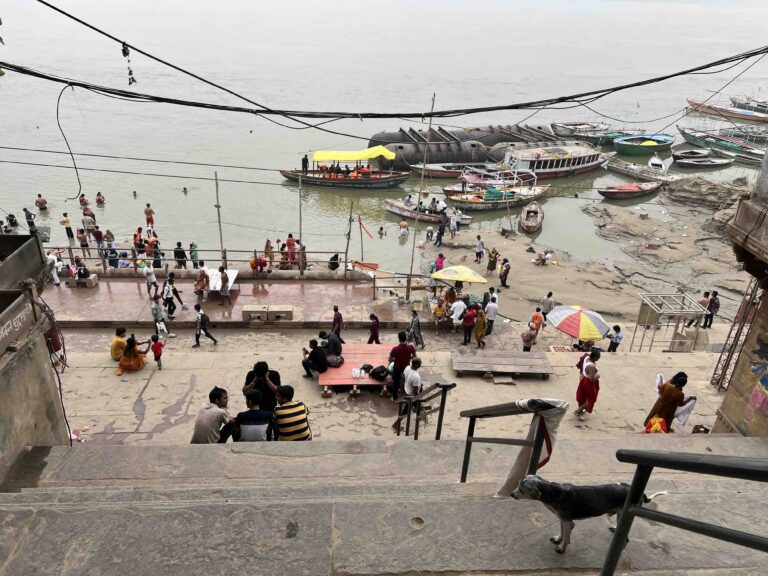 How to Prepare for Culture Shock in India
 Which Airport Should You Fly Into in India?
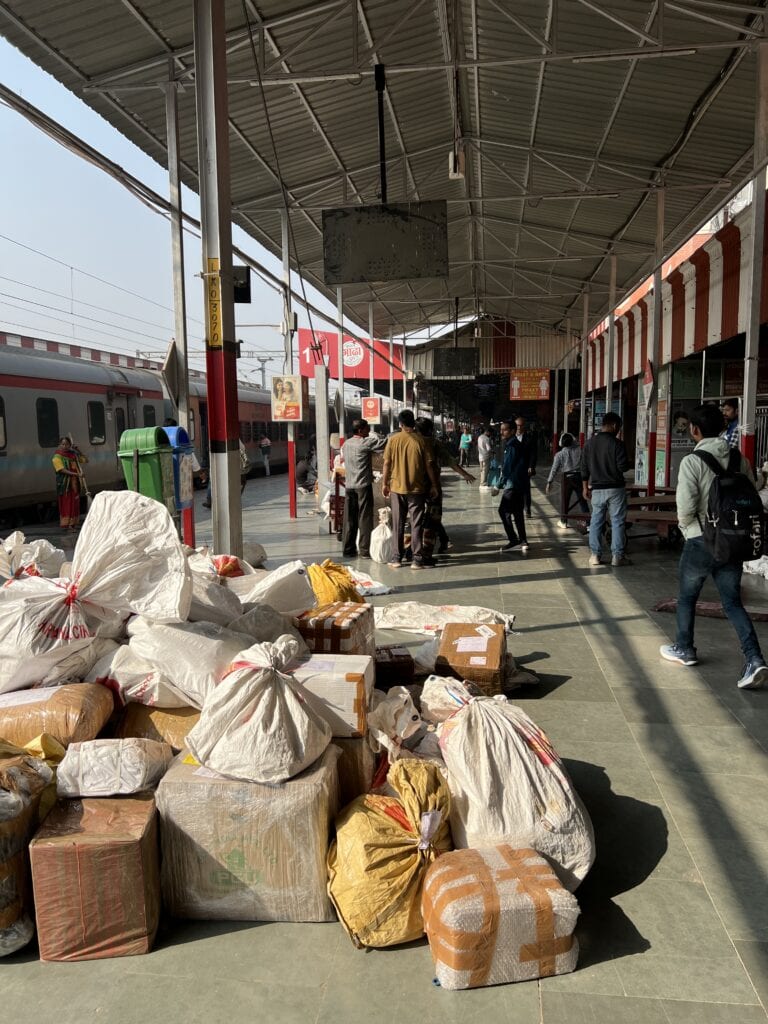 Getting Around India: Trains, Flights & Private Drivers