
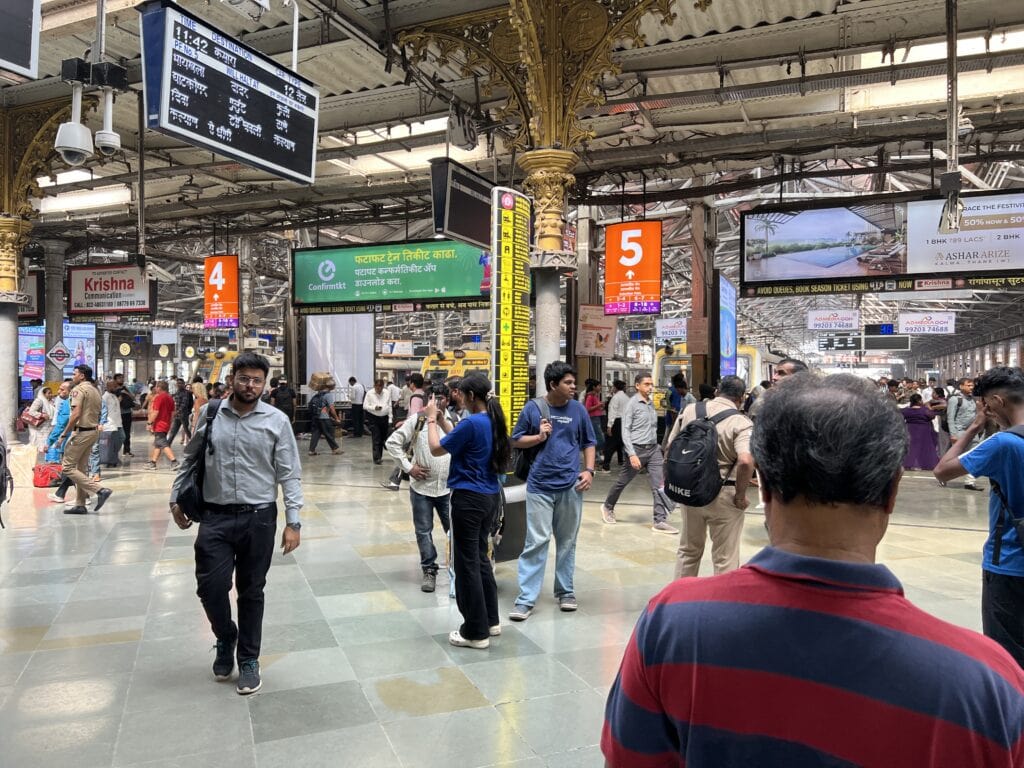
My first trip to India was in 2005. I loved India from the very first day.
I had the advantage of traveling with a partner who had visited the year before, and we had the same driver he’d used on that earlier journey. That gave me a little familiarity with a country I was discovering for the first time.
That first journey lasted three weeks. My second lasted four. Since then, I’ve returned repeatedly, sometimes to familiar places and sometimes in search of something entirely new. And after all those trips, I keep coming back to a question that sounds simple but isn’t: how many days do you really need in India?
My answer for most first-time international travelers is fourteen to sixteen days. Not because India can be “done” in two weeks. It can’t. But because the best length of a trip isn’t necessarily the longest one you can afford.
The sweet spot: fourteen to sixteen days
Two weeks gives you time to settle in, find your rhythm, and experience several very different places without feeling as though you’ve moved abroad. For many international travelers, there’s a long flight and some jet lag to contend with. Then there’s the reality of work, responsibilities at home, and the people you’ve left behind.
How long you stay is only part of the equation. When you travel matters, too. India’s seasons can make two weeks in one region feel entirely different from two weeks in another. I’ve explored those differences in my guide to the best time to visit India.
When your spouse, partner, or someone important to you isn’t traveling with you, two weeks apart can sometimes feel like two months. That’s a real consideration, not a failure of adventurous spirit.
I don’t believe you need to save up a month of vacation to have a meaningful first encounter with India. You need enough time to be curious, to be surprised, and to let the country make an impression.
Yes, you can visit five cities in two weeks
Some travel advice insists that you should spend four or five nights everywhere or you’ll miss the point. I disagree. Five cities in fourteen to sixteen days can work very well, provided you plan the connections intelligently and accept that not every destination will require the same amount of time.
I’ve visited places that captured me immediately and others that didn’t quite click. Sometimes I wanted to stay another week. Sometimes I was ready to leave after a day or two. Neither response was wrong.
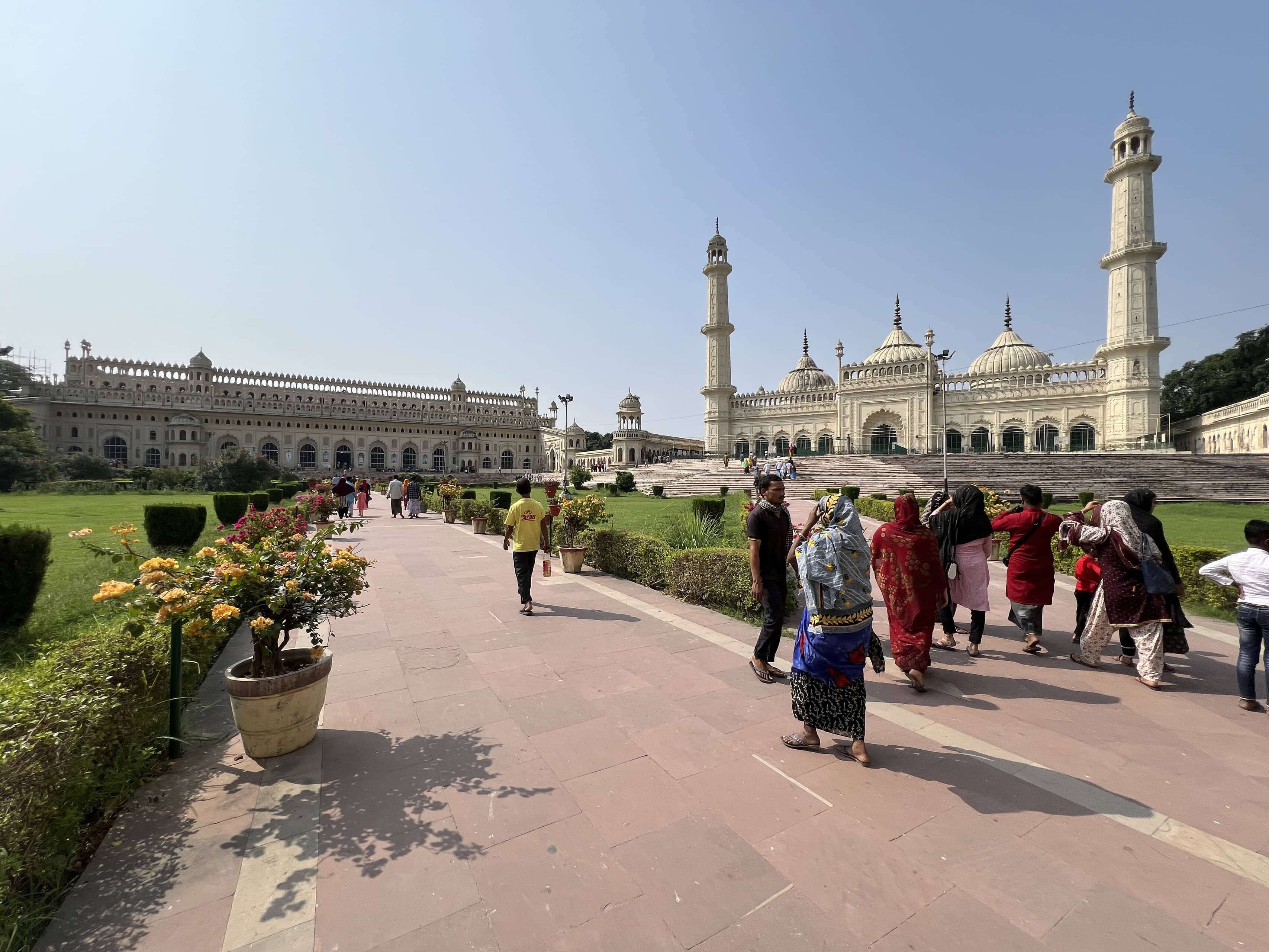
Delhi, for example, gets a bad rap from some travelers. I think it deserves a more open-minded approach. In the north, Jaipur, Jodhpur, and Lucknow offer very different experiences; in the south, Kochi, Tiruchirappalli (Trichy), and Bengaluru don’t feel interchangeable either. That’s exactly why a varied itinerary can be so rewarding.
Don’t make every city feel like the last one
The bigger mistake isn’t necessarily moving too often. It’s planning the same kind of day over and over again.
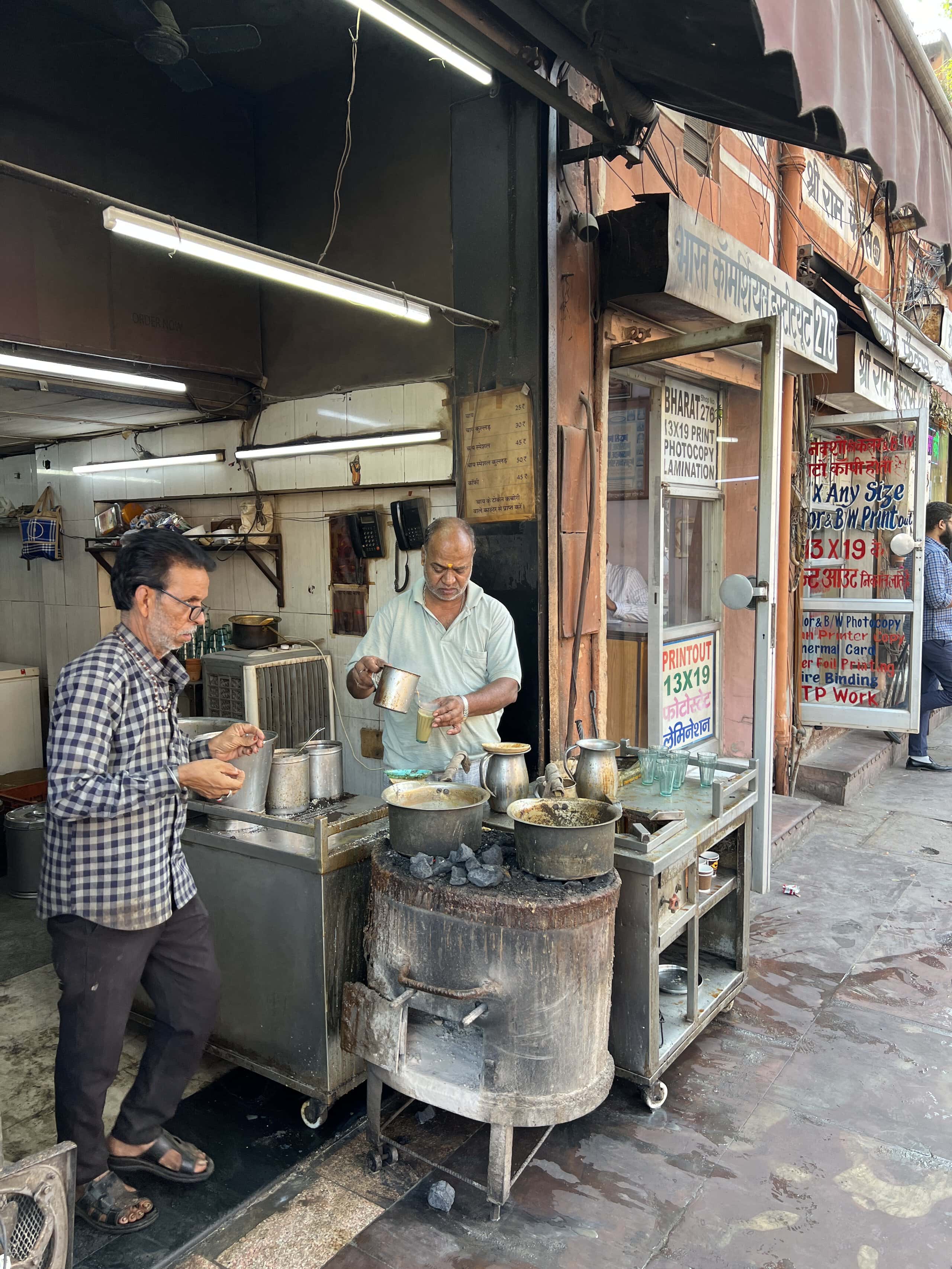
If every stop consists of a fort, a museum, another monument, and another hotel check-in, even remarkable places can begin to blur. Mix it up. Take a food walk. Visit a market. Find a neighborhood café. Make room for music, craftsmanship, architecture, a morning walk, or a conversation that wasn’t on the schedule.
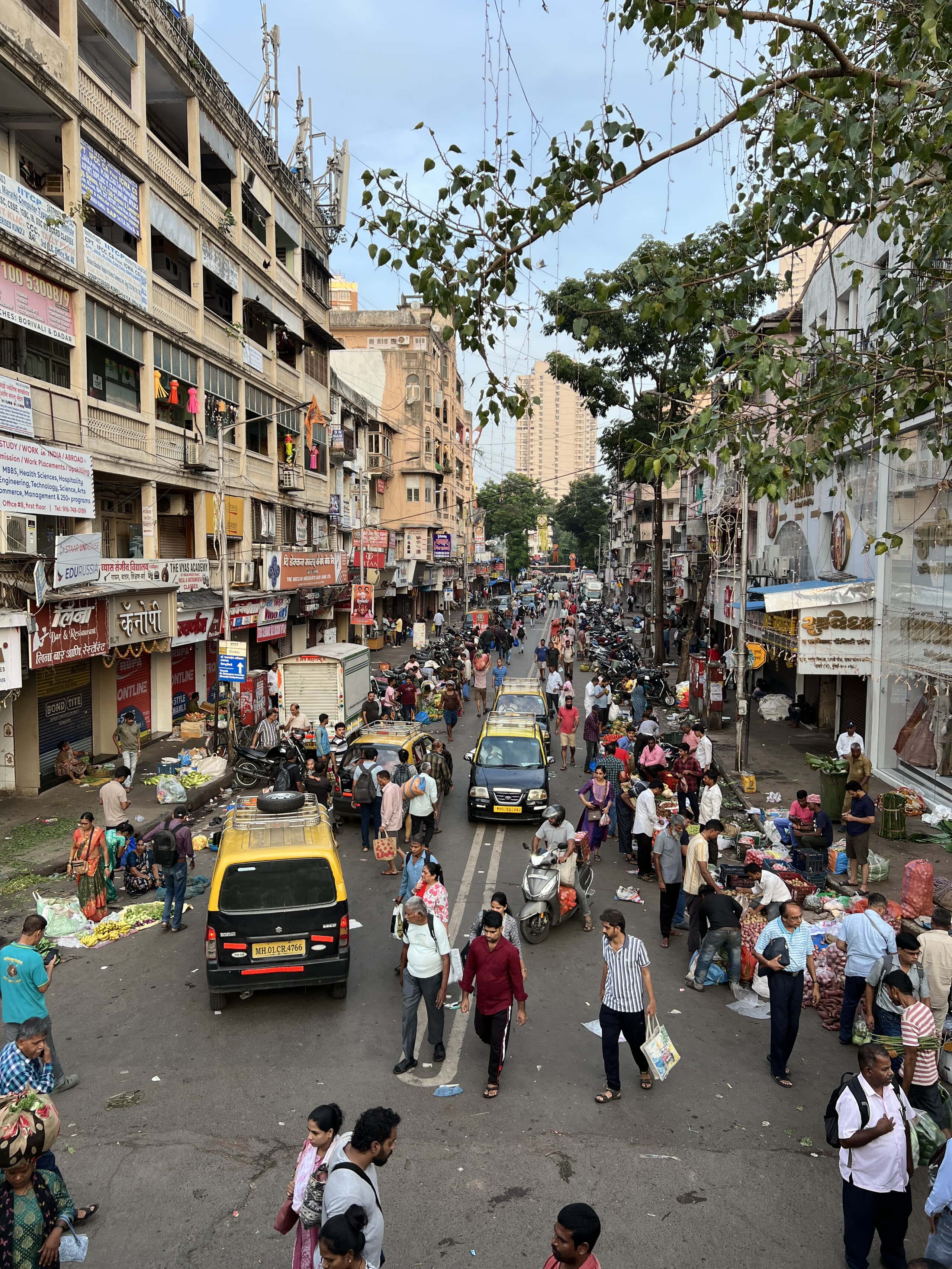
India is more than a checklist of historic sites. Some of my most vivid memories have come from ordinary streets and unplanned encounters.
Sometimes I’ve moved too quickly. Sometimes I’ve stayed too long.
Over the years I’ve learned that my own enthusiasm is a useful guide. I scout cities on my own, return to places I want to know better, and change my mind when a destination surprises me.
I enjoy Goa’s beaches, for example, but a week of lying in the sun isn’t usually what I’m looking for. Mumbai is another story. I can keep returning and still find something that fascinates me.
That doesn’t mean a three- or four-week trip is a bad idea. I’ve taken them, loved them, and learned from them. Two recent journeys, in particular, taught me why the same number of days can produce entirely different experiences.
Two long journeys, two very different outcomes
In 2024, I planned a four-week journey through India. Unlike earlier trips, when I often left accommodations open-ended, I booked every stay in advance and built a detailed itinerary. It was a fantastic trip. I returned to cities I hadn’t seen in ten or fifteen years, went deeper into others, and finally made it to Lucknow—a city I loved. Much of that northern journey was by rail.
There was another purpose to the trip: it was a test run. I intended to bring my brother and sister-in-law on a nearly identical journey the following year.
In 2025, the three of us set out on a thirty-four-day trip, this time with a dedicated driver. Within the first twenty-four hours, it became clear that my sister-in-law wasn’t connecting with India in the way I had hoped. I tried to change her impression, but I couldn’t. By the third day, I was struggling to stay engaged with the journey I had worked so hard to create while also protecting our relationships.
At major cities with large airports, I offered her the option of changing plans, going somewhere else, or heading home. She chose to continue. The trip didn’t get easier, and I wasn’t always at my best either. I had a moment when I reacted poorly. By the end, all three of us were ready to be home.
That’s not a story about someone being wrong to dislike a destination. People travel with different expectations, interests, and limits. It’s a reminder that you can plan the hotels, transportation, sightseeing, and restaurants. What you cannot plan is how another person will respond to a place—or how their response might affect your own.
Every time I come to India I’m in search of something. A nugget. Hope. Answers. A guiding light. I could not allow others to extinguish my goal.

When the itinerary outlasts the enthusiasm
During both of those four-week journeys, I met couples who had started in northern India and were finishing in the south. I’d ask where they were going next, expecting to hear some excitement about the next stop. Instead, they’d almost recite a list: this city, then that city, another hotel, another excursion.
They had invested a considerable amount of time and money in the trip, and I wondered whether they were now simply determined to complete it. I couldn’t know how they truly felt. But from my vantage point, their excitement seemed to have faded.
It made me think about the difference between having more days available to travel and having more days when you’re genuinely excited to travel.
When you’ve flown halfway around the world, it’s tempting to add another destination simply because you’re already there. I’ve followed that logic myself. But I’d rather come home wishing I’d stayed three more days than spend my last three days wishing I were already home.
Don’t let travel advice make you afraid of India
One thing I resist is the way some travel advice talks about India as if every encounter is a problem to be managed. Be informed, of course. Use good judgment, just as you would anywhere. But don’t let an endless stream of warnings become the lens through which you see an entire country.
India has changed enormously since my first visit in 2005. Travel logistics, accommodations, transportation, and access to information are often much easier than they once were. More importantly, people are people. Curiosity and respect will take you much further than an us-versus-them mindset.

So how many days should you plan?
Seven to ten days: Enough for a focused introduction to one region or a few connected destinations. You’ll need to be selective.
Fourteen to sixteen days: My preferred starting point for a first visit. You can experience several cities, mix the pace and activities, and return home with a real sense of the country—and perhaps a list of places you want to revisit.
Three weeks or longer: Wonderful when your interests, travel companions, and energy support it. Just don’t assume more days automatically mean a better trip.
Think about how you’ll travel between destinations. A train ride can be part of the adventure; a full day in a car can also be tiring. Leave some breathing room, and remember that a schedule that looks manageable on paper may feel very different on day twelve.
Leave wanting more
India isn’t a country I expect to finish discovering. That’s part of its appeal. I keep returning not because I missed something on a previous trip, but because every visit offers another chance to see something differently.
For a first trip, I’d start with fourteen to sixteen days, build an itinerary with variety, and resist the urge to include everything. The goal isn’t to conquer a map. It’s to go home still curious about what comes next.

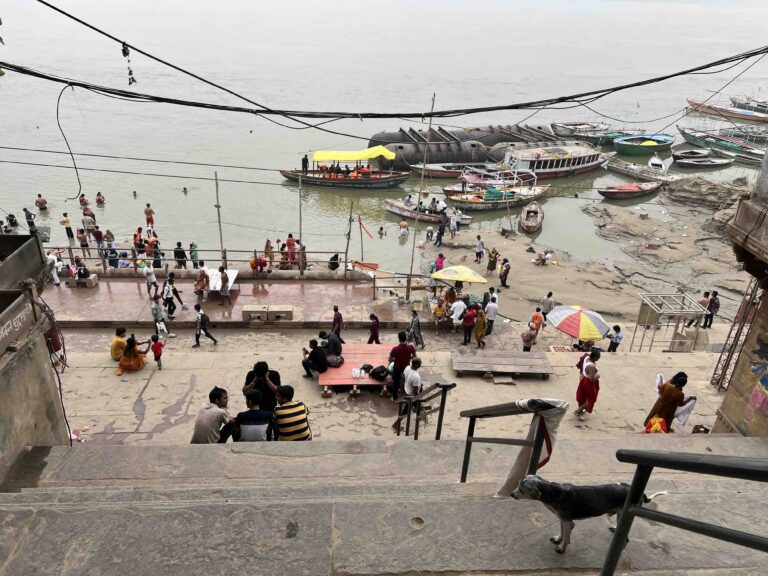 How to Prepare for Culture Shock in India
 Which Airport Should You Fly Into in India?
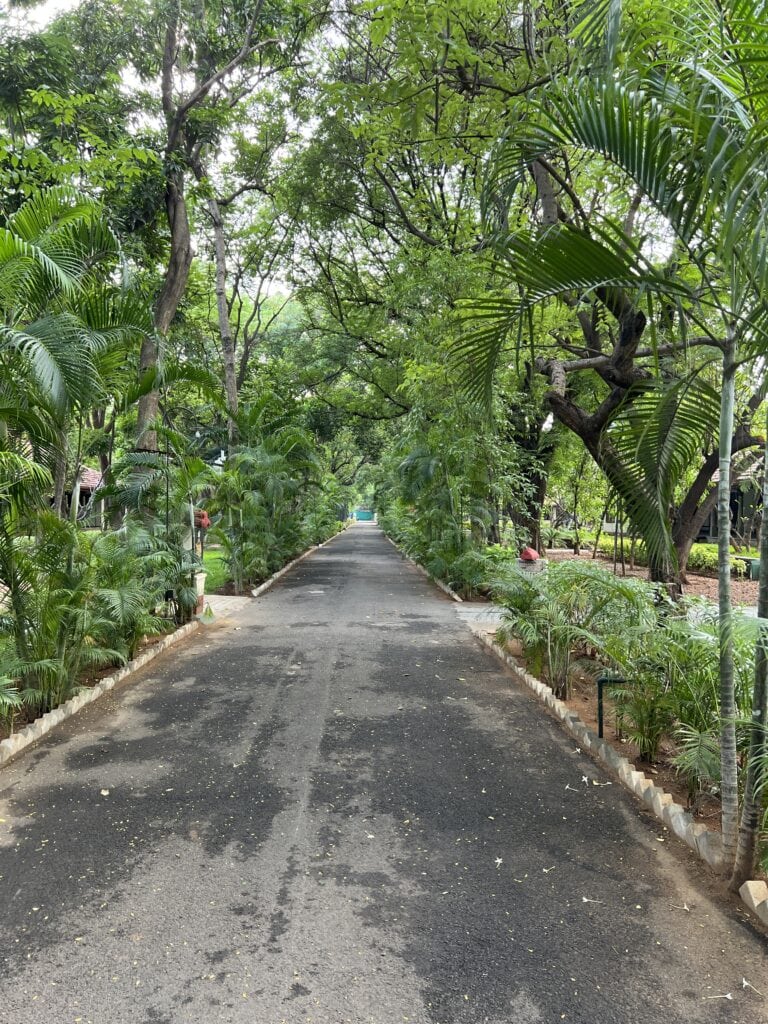 Where to Stay in India: Finding Hotels, Guesthouses & Hidden Gems