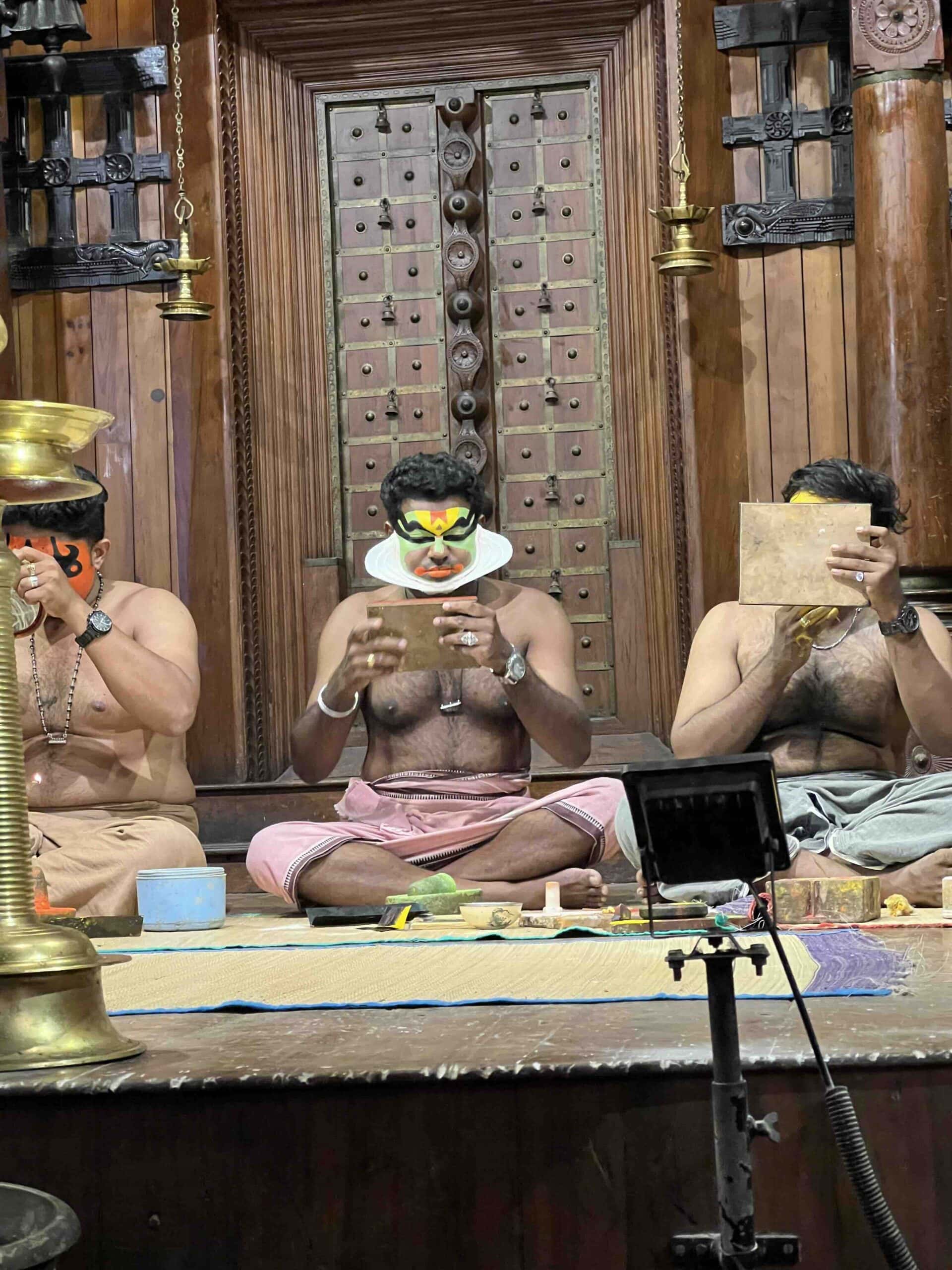
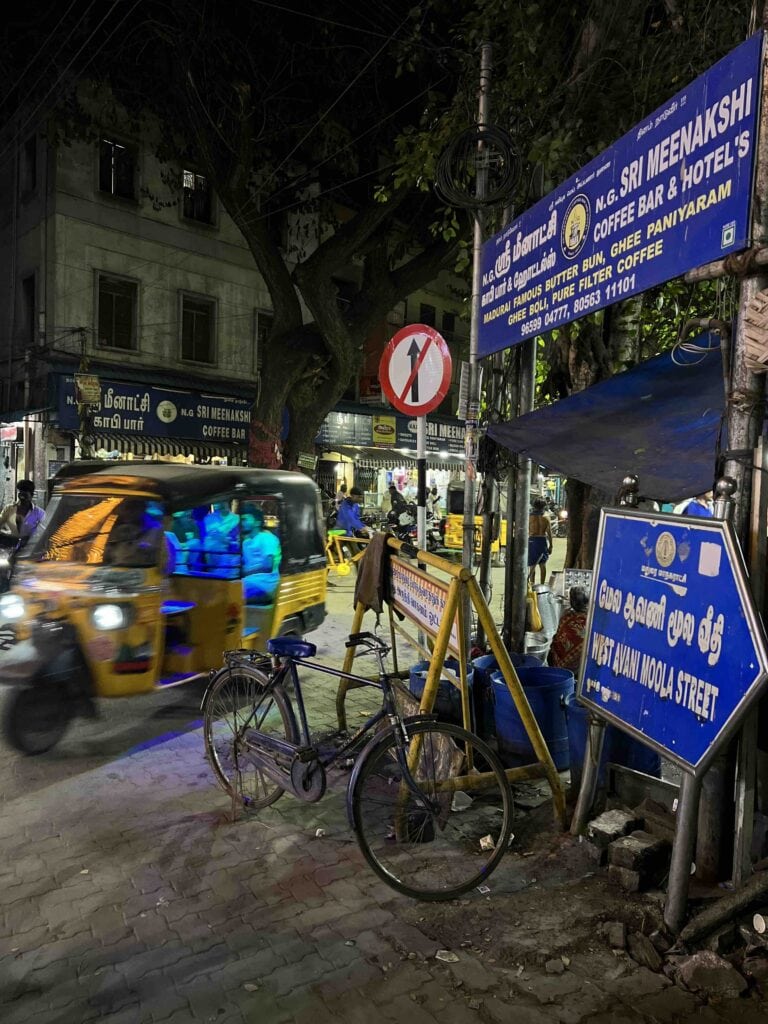
Languages of India
One country. Thousands of ways to express it.

You don’t need to know a language other than English to discover and enjoy India. However, it became clear to me years ago that if I wanted to understand the country on a deeper level and forge lasting relationships with the people I met along the way, I needed to learn an Indian language.
Hindi seemed the most versatile choice, given that my travels take me across the country rather than to one particular region. Four years in, I meet with my tutor nearly every day, week after week. More than 650 hours of class time and twice that in homework. It’s a slow process, but when I’m in India, the smiles I receive when I initiate a conversation in Hindi, the stories people share with me, and the trust and connections that begin to form are immeasurable.
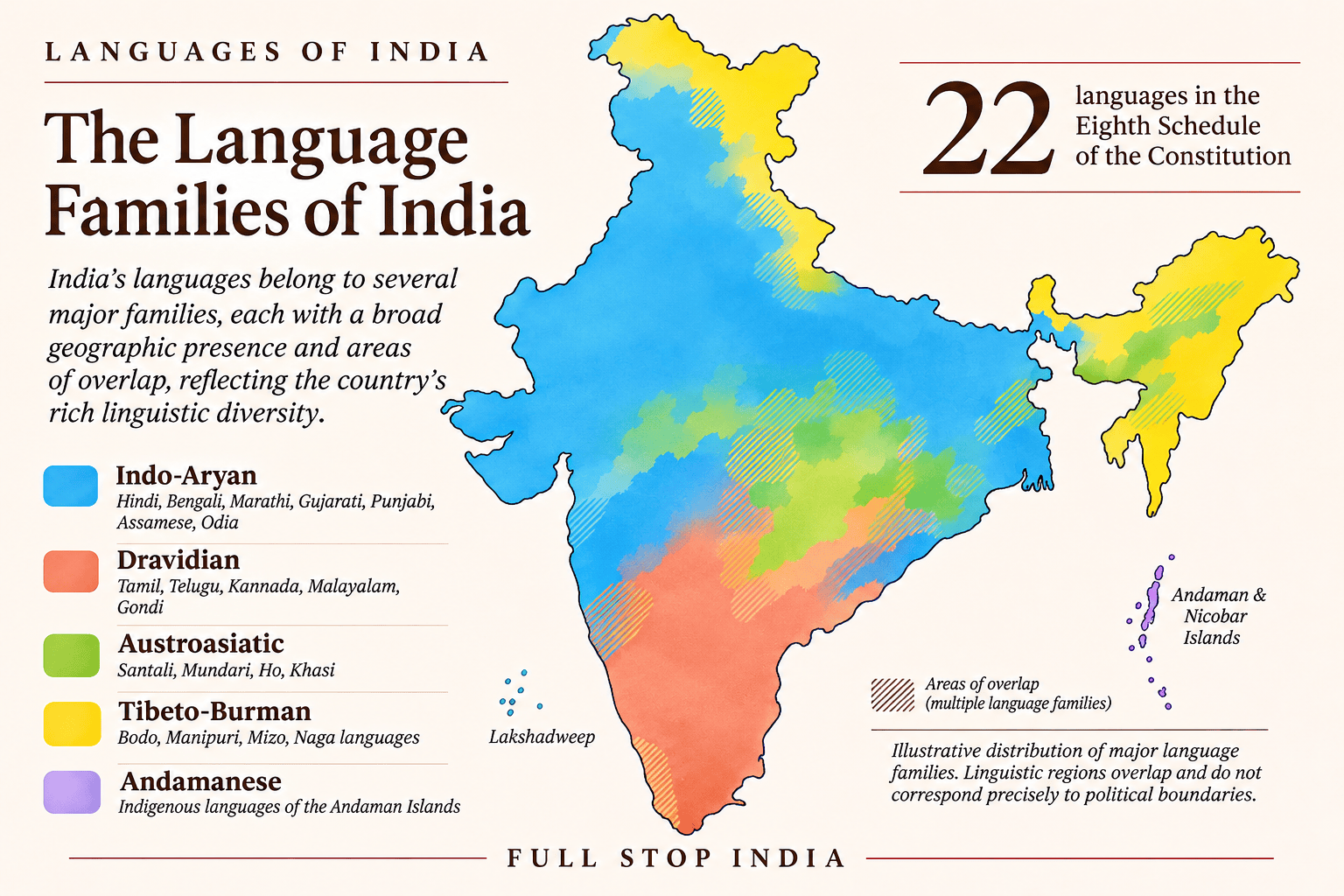
Learning Hindi has also deepened my appreciation for India’s other languages. Each carries its own history, literature, traditions and cultural identity. India recognizes 22 languages in the Eighth Schedule of its Constitution, yet these represent only a fraction of the country’s linguistic diversity. This collection is an invitation to discover them.
Explore the Languages
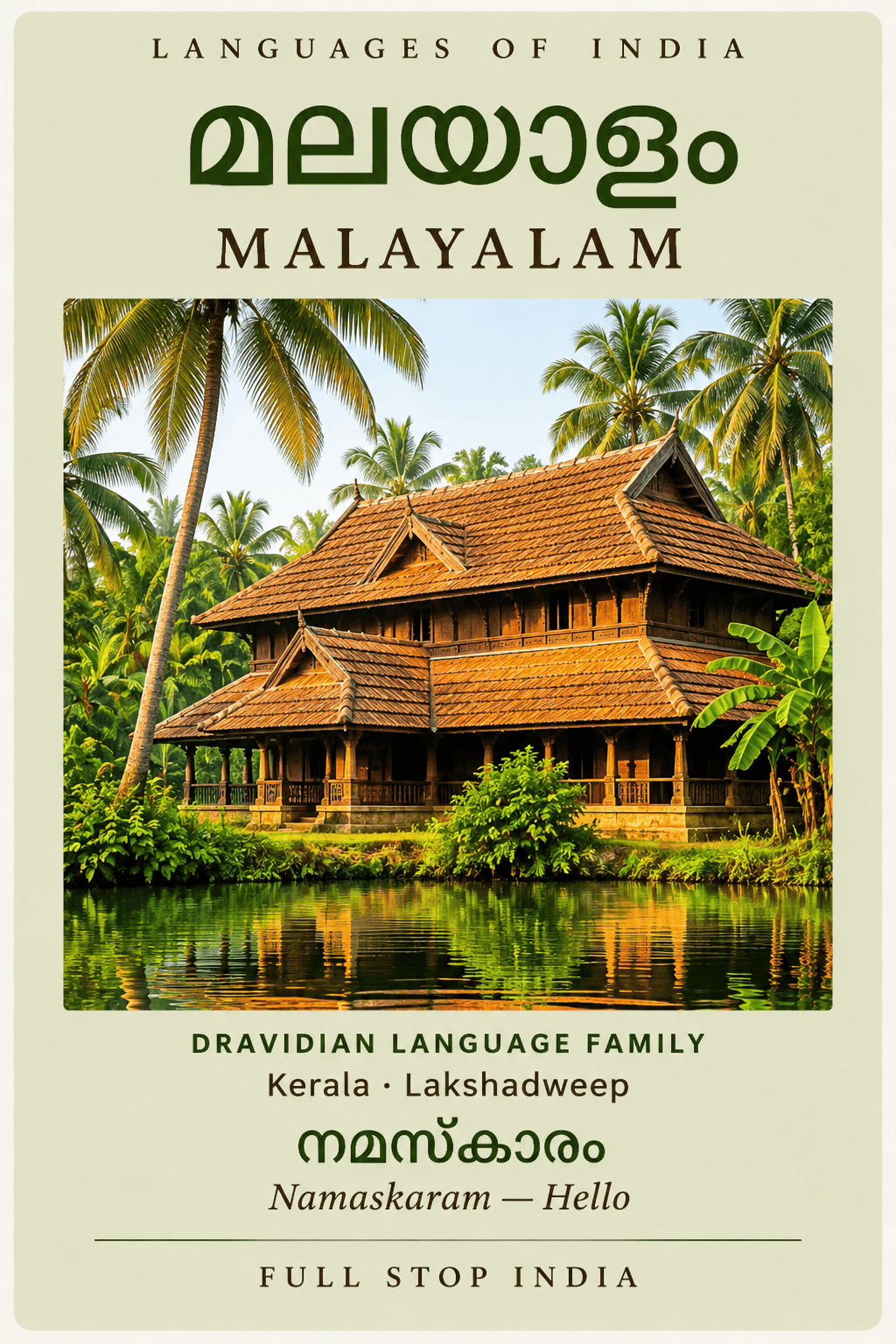

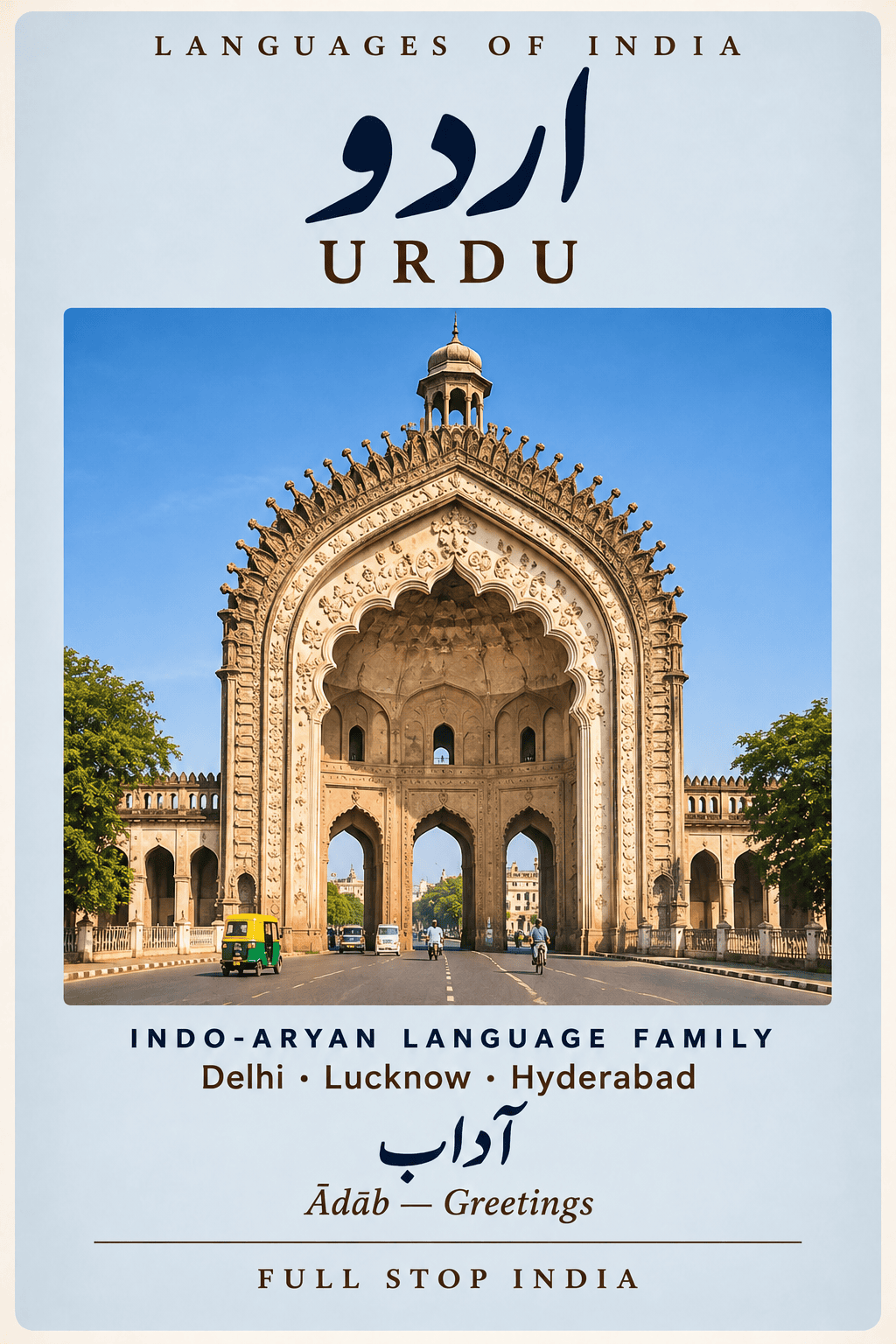
The 22 Scheduled Languages
A Country of Many Voices
India’s linguistic diversity extends well beyond its 22 Scheduled Languages. Language families overlap across regions, communities and generations, often crossing state boundaries. Many Indians move comfortably between several languages throughout a single day, speaking one at home, another at work and perhaps a third while shopping or traveling.
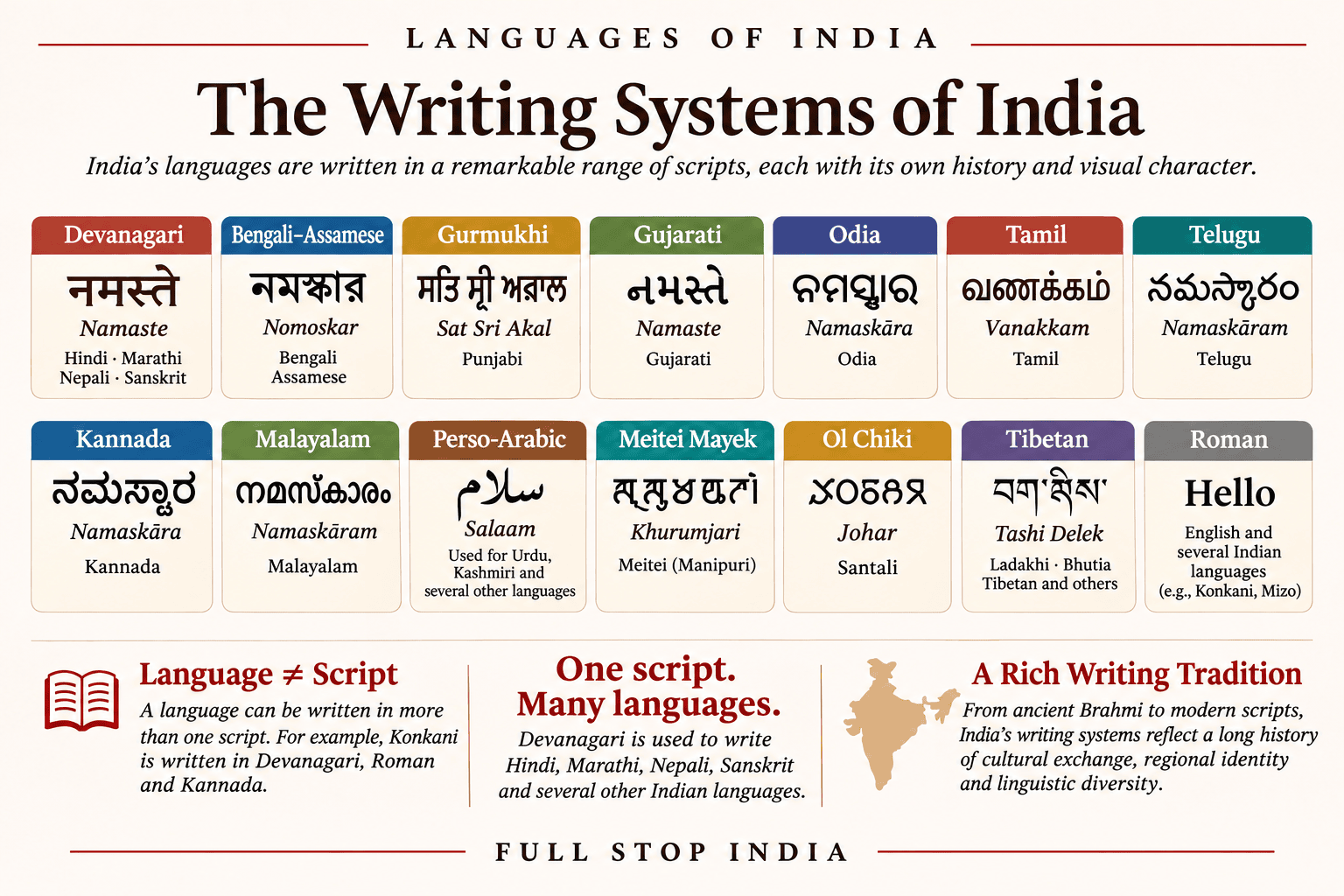
Language and script are not the same thing
Several languages share the Devanagari script, while others have distinctive writing traditions or use multiple scripts. India has no national language; Hindi and English are used for official purposes at the Union level, and states have their own official-language arrangements.
Language Meets Destination
Discover the places, people and cultures behind India’s languages.