Money in India
From a handful of rupees to a scan of the phone.
Money. Love it or hate it, we need it. And few things make us more conscious of money than traveling in a foreign country. Where do I get it? How much should I carry? Will my credit card work? Am I paying too much?
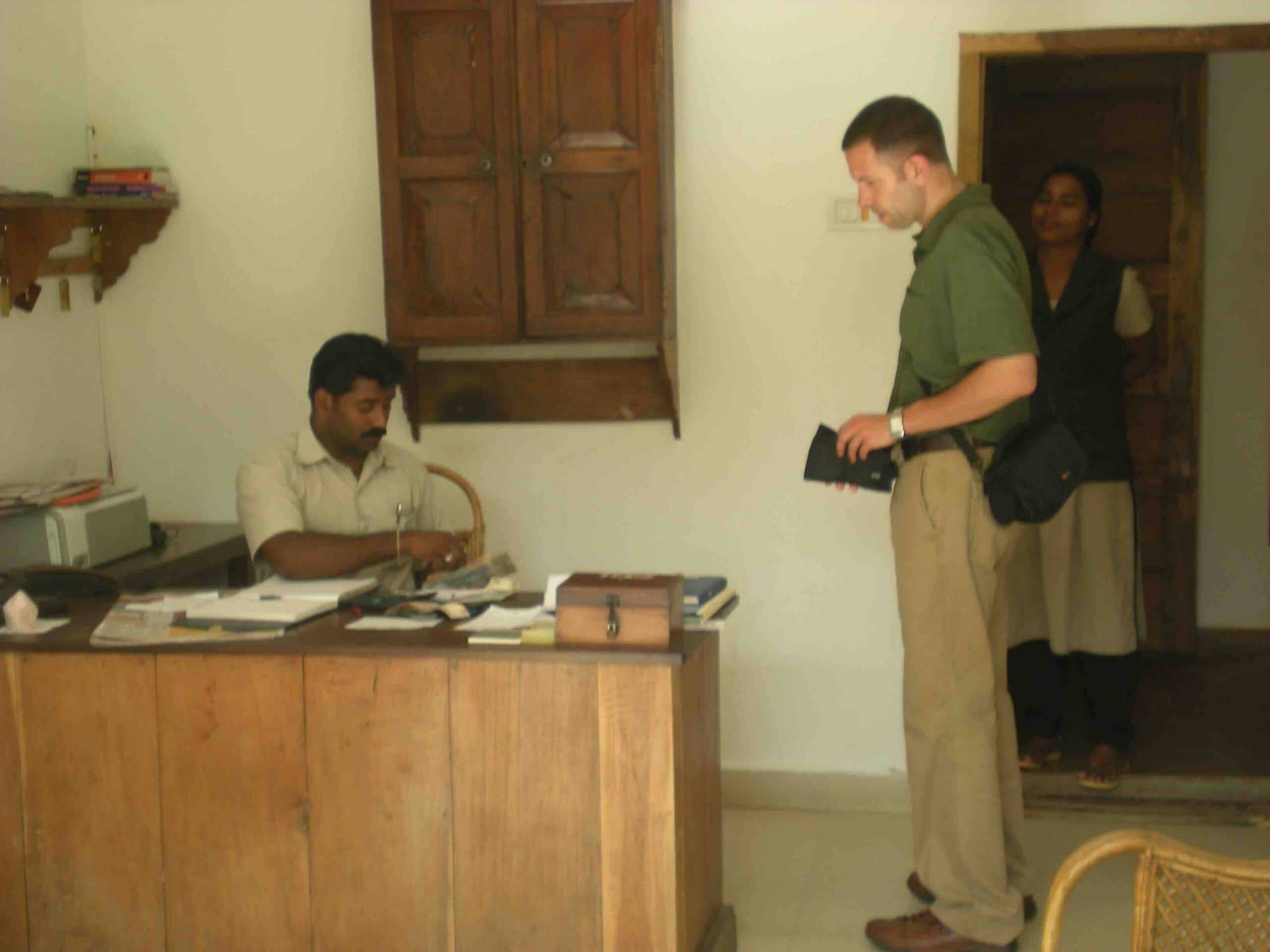
When I first traveled to India in 2005, cash was an essential part of my daily routine. Finding an ATM, keeping a supply of smaller notes and making sure I had enough money to settle a hotel bill were all considerations when planning the day.
What a fascinating transformation India has undergone since then. A flower seller in Mumbai, a vegetable vendor in a small town or a young man selling chai from the side of the road may now accept payment through a simple QR code. India hasn’t merely embraced digital payments; in many respects, it has leapfrogged much of the Western world.
Yet cash hasn’t disappeared. ATMs, credit cards and digital payments coexist, each serving a purpose. For the foreign traveler, the challenge is less about accessing money than understanding how and when to use it, particularly where digital payment options require a little preparation.
And then there are the uniquely Indian particulars. The lakh and the crore. The maximum retail price printed on a bottle of water. The sometimes delicate distinctions between a tip, baksheesh and a bribe.
Money needn’t be an obstacle to enjoying India. In fact, understanding how Indians count it, spend it and exchange it offers another wonderfully revealing glimpse into the country itself.
Understanding Indian Money
 The currency
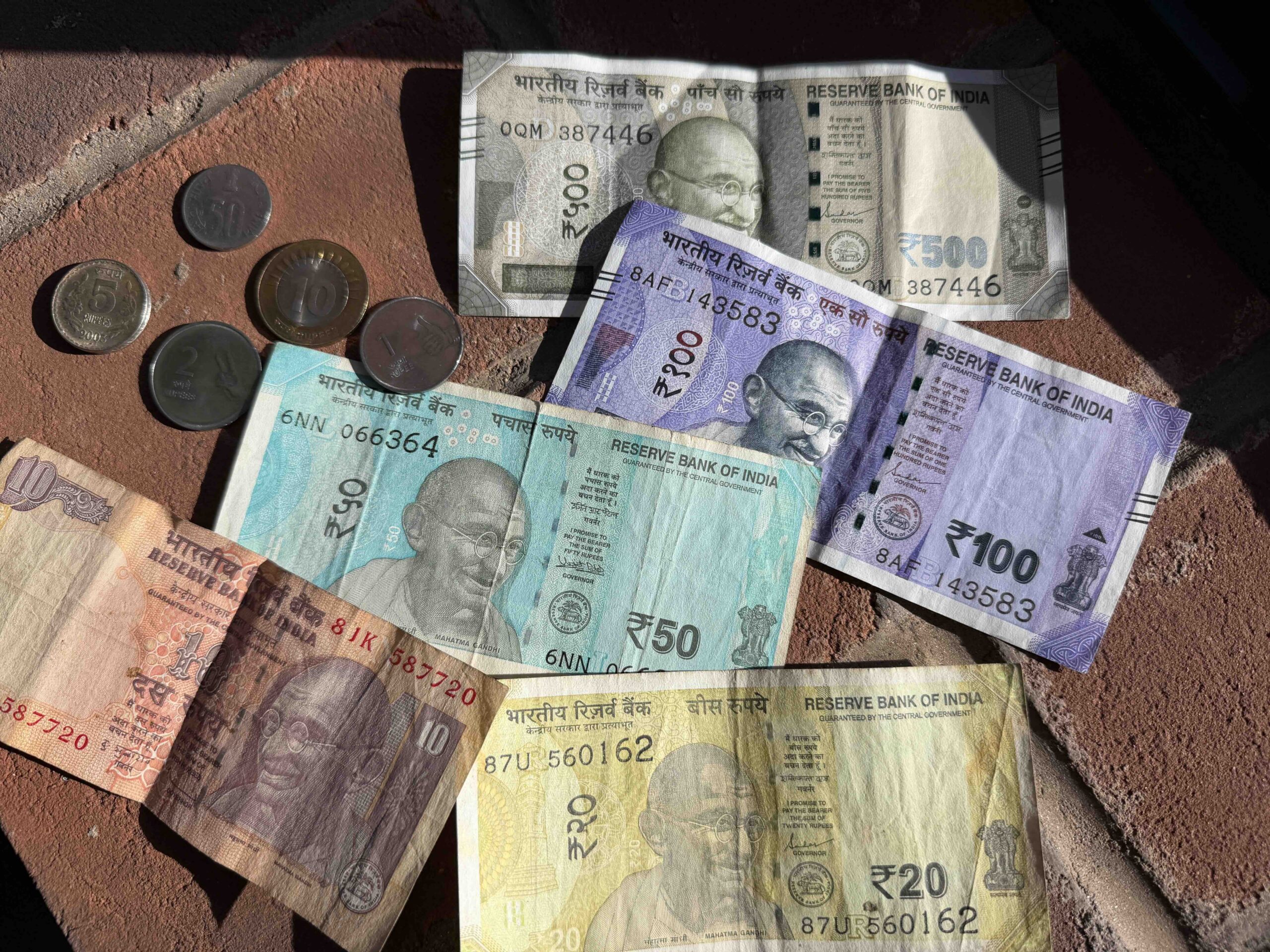
The Indian Rupee
The notes, coins and symbols you will encounter throughout India.
Read the guide →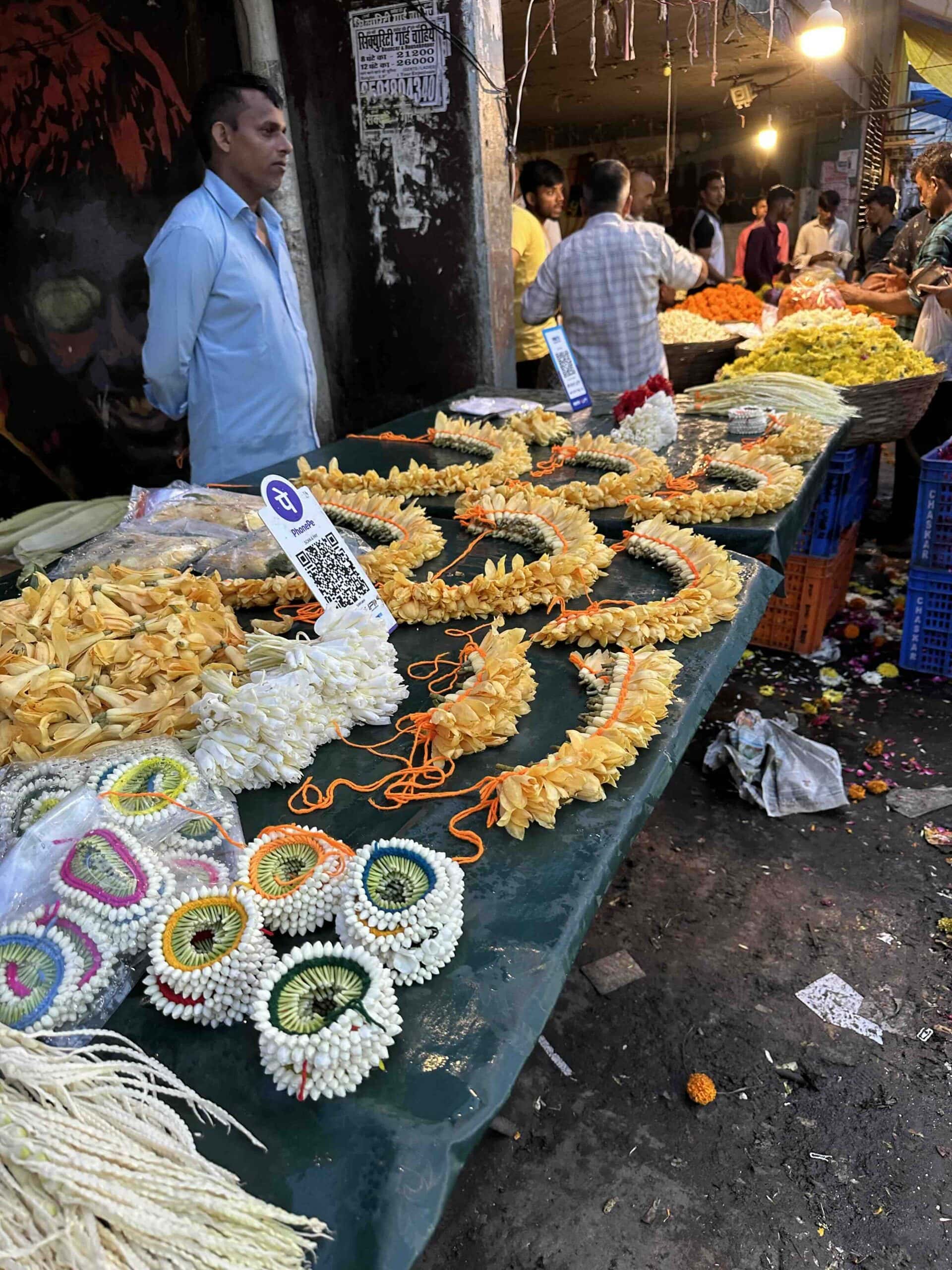 A changing India
UPI: How India Changed the Way It Pays
How the QR code became part of everyday commerce.
Read the guide →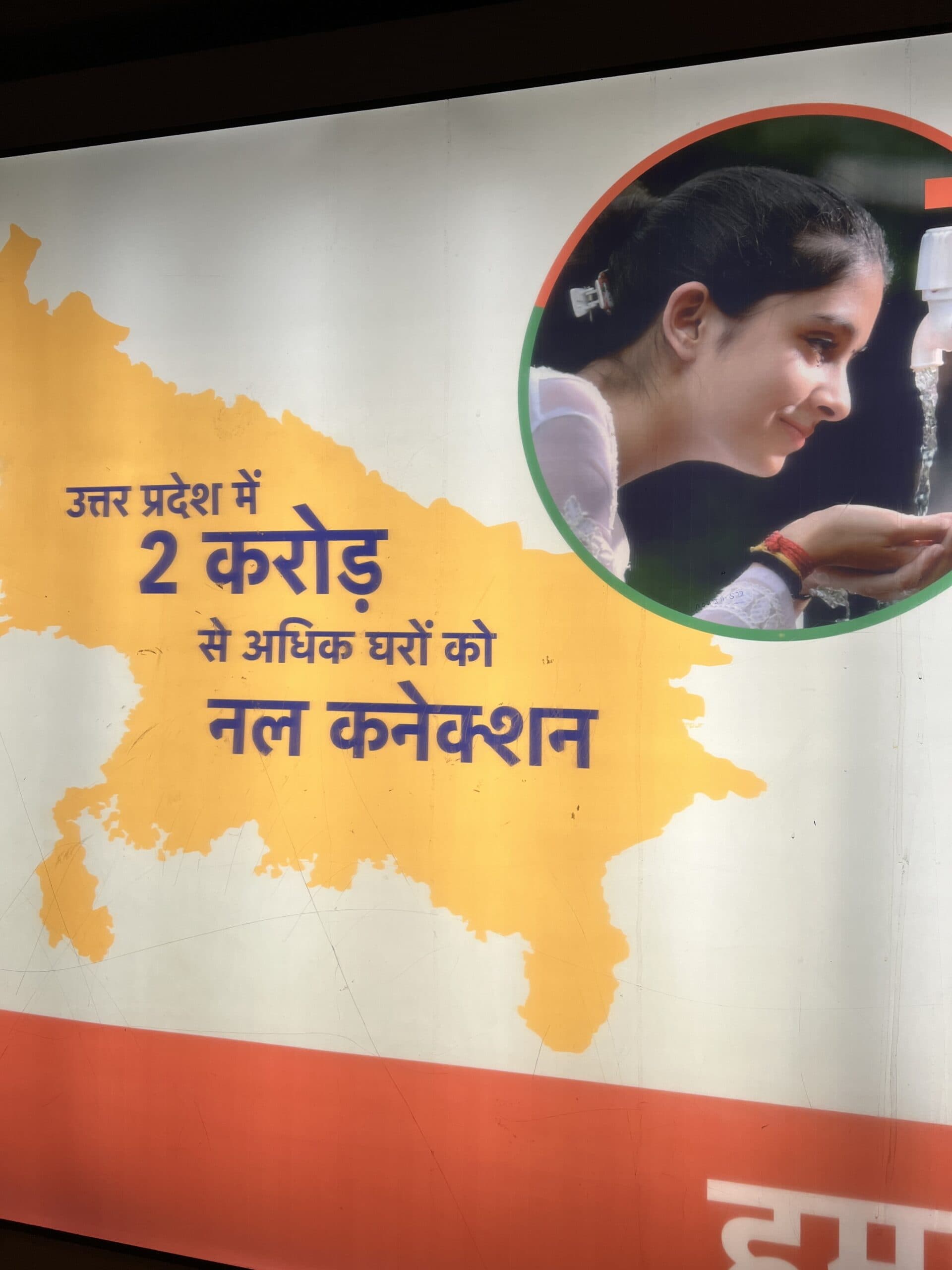 Counting differently
Lakh and Crore
An introduction to the Indian numbering system.
Read the guide →Discover How India Pays
Beyond the Price Tag
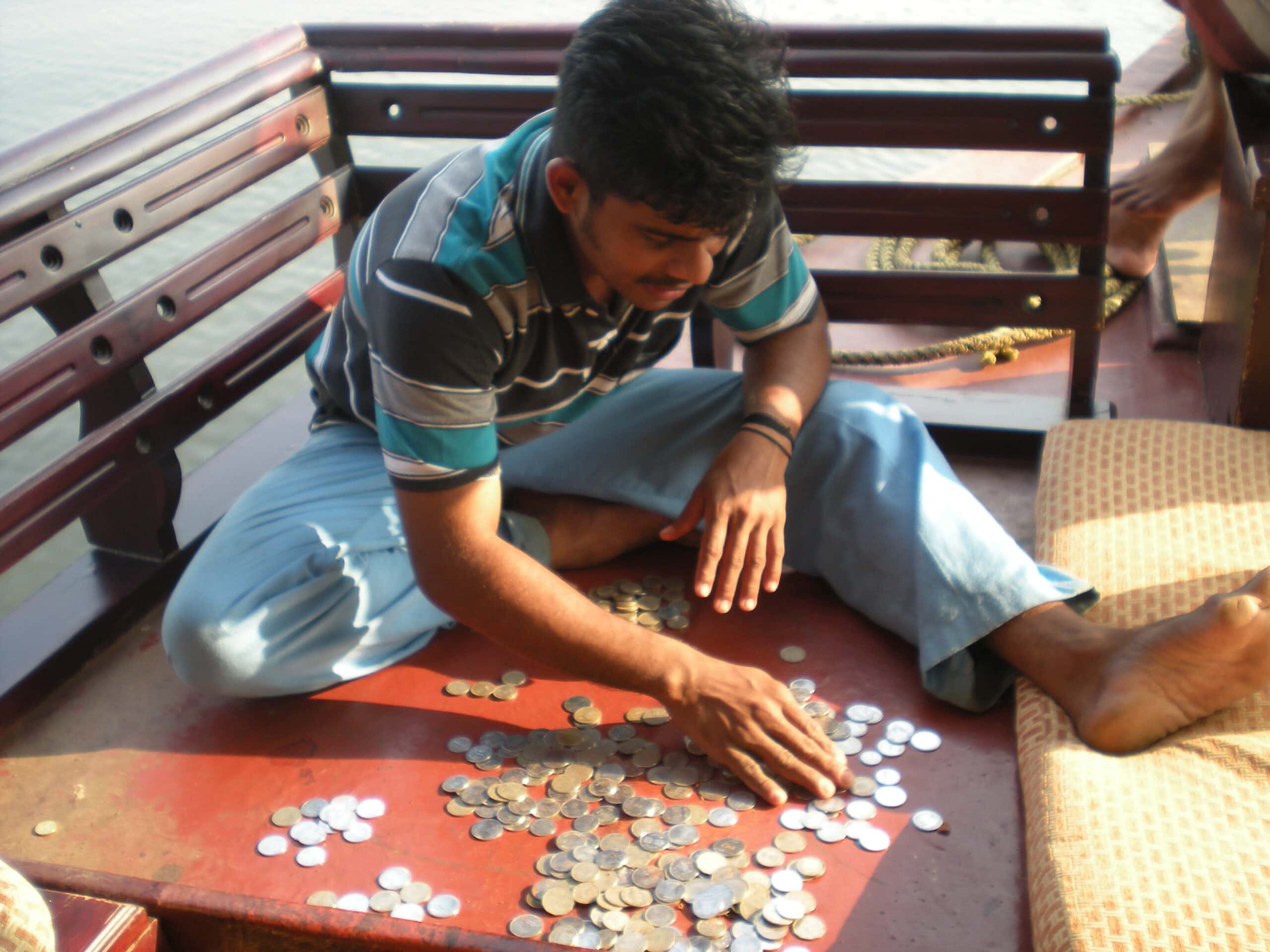
One of the more interesting lessons I’ve learned traveling through India is that knowing the value of a rupee and knowing the value of a gesture are two entirely different things.
There is an art to bargaining in a bazaar, just as there is a certain etiquette to tipping a driver or offering a donation at a temple. Knowing when to negotiate, when to be generous and when to simply pay the asking price comes with experience.
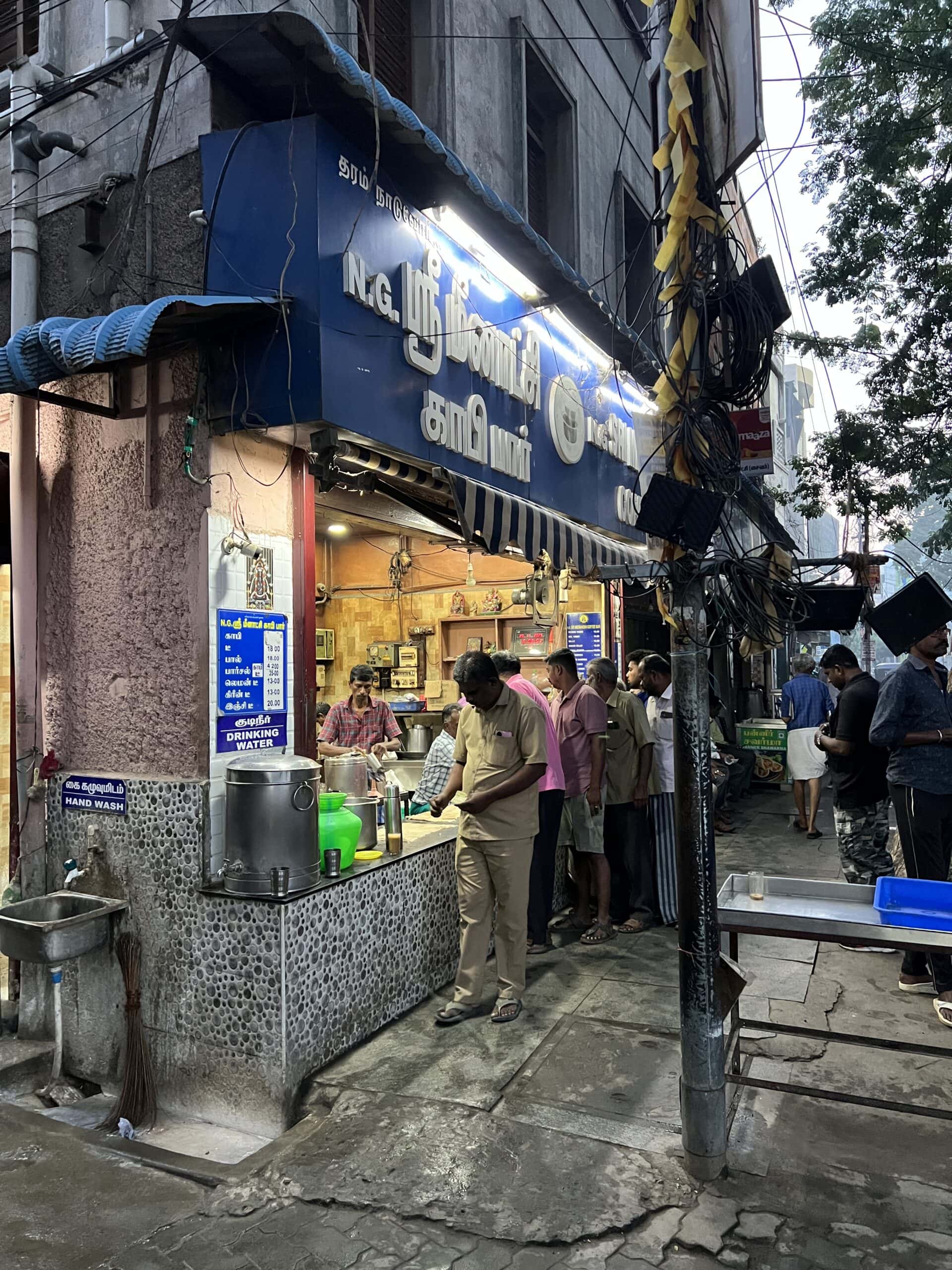
And occasionally, you’ll find yourself on the receiving end of Indian generosity. A glass of chai offered by a shopkeeper, with no expectation that you’ll buy anything, is a lovely reminder that not every exchange in India involves money.
Cash, Cards and a Little Common Sense
Before setting out for the day, consider where you are going and how you are likely to pay. A hotel bill and a cup of roadside chai may call for very different arrangements. Keep some smaller notes handy, even when you have a card or access to digital payments.
For practical advice before your trip, start with our guide to money, ATMs and credit cards in India.