
From UPI and credit cards to cash, currency exchange and the occasional uncooperative ATM, here’s how I handle money when traveling through India.
India has changed enormously since my first visit in 2005. Among the most noticeable changes is how people pay for things.
Walk through almost any Indian city today and you’ll see QR codes everywhere: restaurants, neighborhood shops, market stalls, chai stands, even auto-rickshaws. India has embraced digital payments with remarkable enthusiasm. Yet despite all this technology, I still wouldn’t travel through India without some cash in my pocket.
Over the years I’ve used cash, credit cards, ATMs, money exchangers and, most recently, UPI. Each has its advantages. Each has occasionally tested my patience. Here’s what I’ve learned.
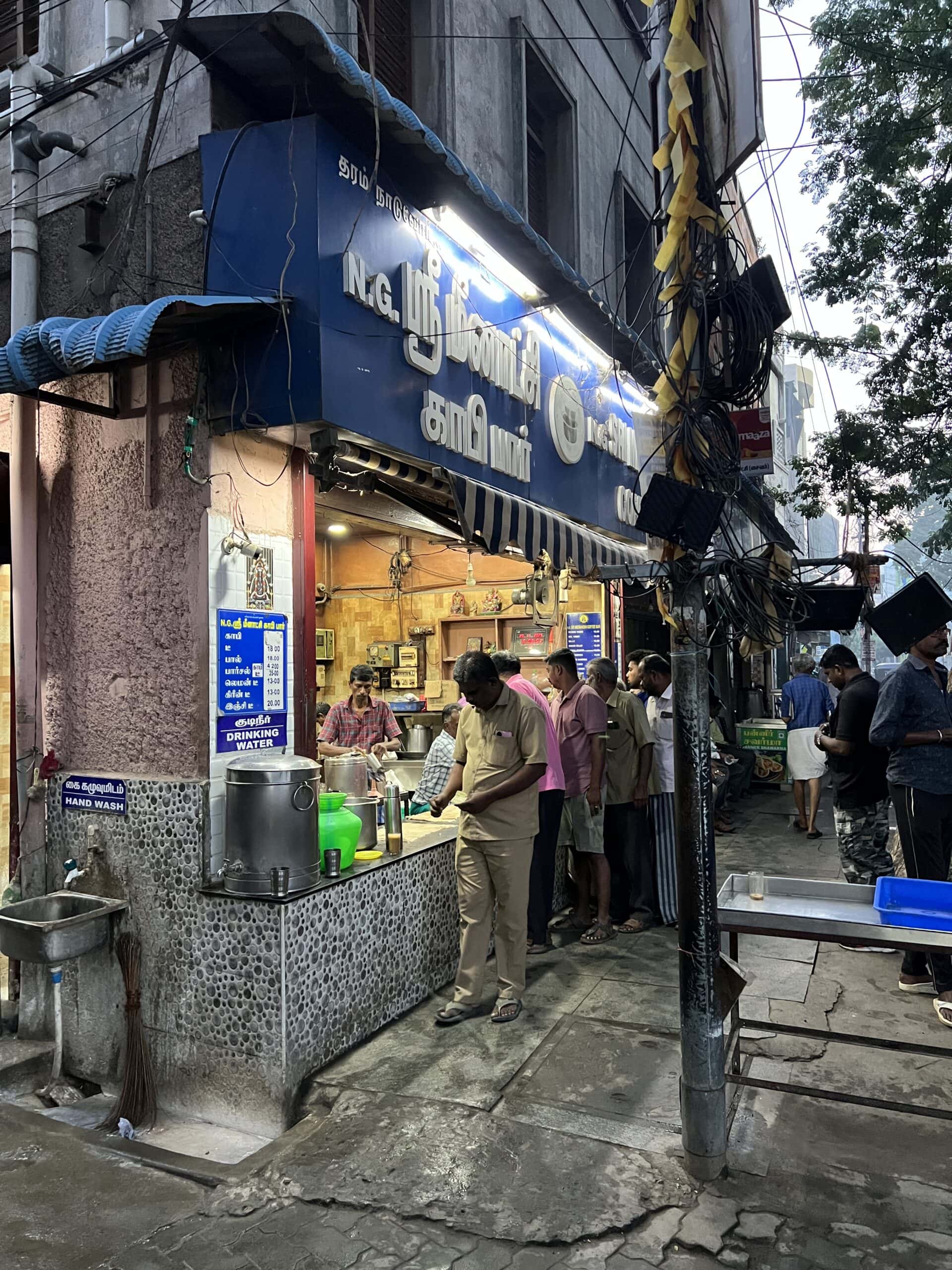
Understanding the Indian Rupee
For more practical planning, see my essential predeparture checklist for India.
India’s currency is the Indian rupee, abbreviated INR and represented by ₹. The notes you’re most likely to encounter are ₹10, ₹20, ₹50, ₹100, ₹200 and ₹500. Before arriving, learn roughly what ₹100, ₹500 and ₹1,000 represent in your home currency. You’ll soon become comfortable evaluating prices without constantly checking an exchange-rate calculator.
One small piece of advice: keep your smaller banknotes. You’ll appreciate them when paying for tea, a short auto-rickshaw ride or a tip.
UPI: The Payment Method That Changed How I Travel
One of the most useful discoveries on my recent travels wasn’t a hotel or restaurant. It was a payment app called MONY.
UPI—the Unified Payments Interface—lets people make instant digital payments, often by scanning QR codes. For years it seemed largely reserved for people with Indian bank accounts. MONY gave me access to UPI merchant payments as a foreign visitor, and it was fantastic.
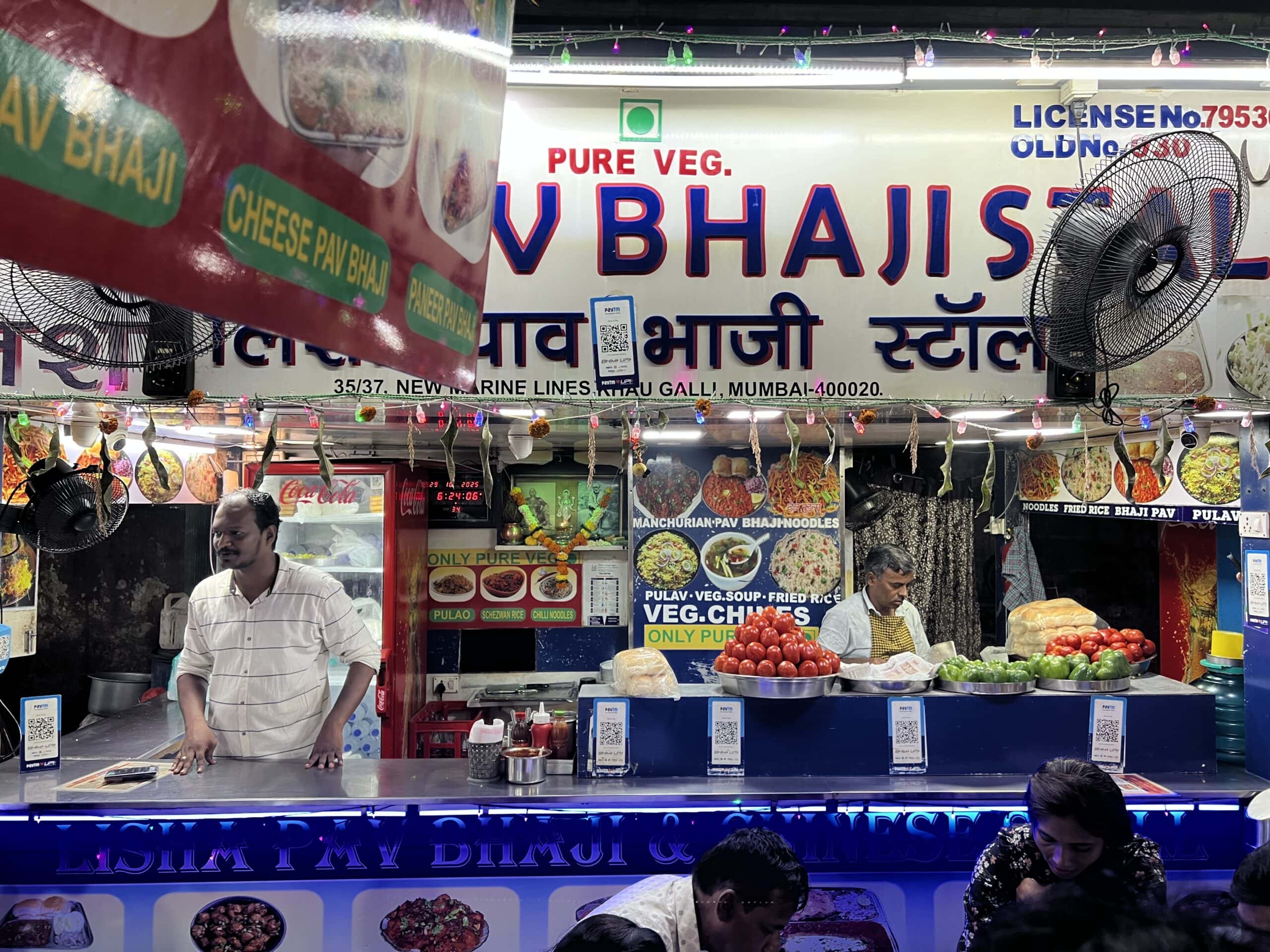
Getting started with MONY
I downloaded MONY in the United States but couldn’t activate it until I arrived in India and connected to an Indian cellular network. Once there, I answered a few questions, completed the activation process and was ready to use it within hours. Then I added funds to the account. There was a minimum reload amount, worth keeping in mind near the end of a trip.
From that point forward, I used MONY to pay for nearly everything. I also got a few laughs from locals who were delighted, and sometimes genuinely surprised, to see a foreigner scanning UPI codes. Many seemed to think the system was only for Indians.
Not every UPI code works
During my travels MONY could pay businesses, but not personal UPI accounts. A chai vendor might display a QR code linked to his personal account rather than a registered merchant account. I’d scan, attempt to pay and get an error. Sometimes the receiving account simply wasn’t compatible. That’s one reason I still carried cash.
When digital payments stop working
I also experienced several days when MONY wouldn’t process transactions. I never established whether the problem was with MONY or the broader UPI network. Either way, I needed another way to pay. Don’t rely exclusively on one digital payment method.
Think before you press pay
On two occasions I completed purchases too quickly without confirming all the details. The payments went through, but I didn’t receive the goods or services I expected. Both situations were avoidable. MONY customer support responded, but I wasn’t able to obtain satisfactory help reversing the payments. Verify the recipient, amount and purchase before authorizing a UPI payment; don’t assume reversing it will be as simple as disputing a credit-card charge.
Unused funds and my recommendation
At the end of the trip, I could request a refund of my unused MONY balance to the account I’d used to fund the wallet. That was particularly convenient. Activation requirements, fees, reload minimums and refund terms can change, so investigate MONY’s current terms yourself before traveling.
Would I use it again? Absolutely. MONY dramatically reduced how much cash I needed, but I would still carry a credit card, debit card and cash for the times UPI couldn’t help.
How Much Cash Should You Carry?
Probably less than you think. With MONY handling many everyday purchases and a credit card for larger expenses, I found that around ₹2,000 in cash was generally sufficient for an average day: incidentals, tips, smaller purchases and moments when a digital payment wouldn’t cooperate.
That assumes hotels and major transportation are already covered. If you’re traveling independently in rural areas or paying accommodation in cash, you’ll need more. I also keep some emergency cash separate from my everyday wallet.
Should You Exchange Currency Before Leaving Home?
I wouldn’t bother. Major international airports in India generally have ATMs and currency-exchange counters, so obtaining cash after arrival is straightforward. Airport exchangers aren’t likely to offer the best rate, but if having rupees immediately gives you peace of mind, exchanging a modest amount there is reasonable.
Otherwise, use an airport ATM or wait until you reach a city and find a reputable money exchanger. I wouldn’t make buying rupees before departure another item on an already lengthy checklist.
ATMs in India: Convenient, but Not Always Cooperative
Finding an ATM in an Indian city is usually easy. Finding one that likes your debit card can occasionally be another matter.
I’ve found that certain banks consistently rejected my card, even though it was valid, had funds available and worked perfectly elsewhere. I’d simply move to another bank’s ATM, insert the same card and withdraw money without trouble. It happened often enough that I stopped worrying about it.
Don’t panic after one unsuccessful withdrawal. Try another bank, and perhaps a third. A rejection doesn’t automatically mean your bank blocked your card. If several different banks refuse it, contact your issuer. If an ATM reports a failed withdrawal, check that your account wasn’t debited before trying again.
Withdrawal limits
Many ATMs I encountered limited individual withdrawals to ₹10,000. That’s not necessarily your bank’s daily limit; it’s the amount that machine dispenses per transaction. I found Federal Bank ATMs that let me withdraw ₹20,000 at once, which meant fewer trips. Limits vary by machine, card and policy, so don’t count on that amount everywhere.
Those fees add up
On my most recent trip, my ATM-related fees approached $100. A credit card with no foreign transaction fees is not the same as a debit card with free international ATM withdrawals. Your bank may charge a flat fee, a percentage, or both, and the ATM operator may impose its own charge.
Check your debit card’s fee schedule and withdrawal limits before leaving home. Some banks reimburse ATM fees. And if the ATM offers to convert the withdrawal into your home currency, I generally recommend declining that conversion and choosing rupees; the offered rate may include a markup.
Exchanging Cash: Sometimes the Better Deal
If you’re comfortable traveling with foreign currency, a reputable, authorized money exchanger can offer a very good rate. But pay attention to what you’re actually receiving.
Imagine the market rate is ₹90 to one US dollar. An exchanger offering ₹80 is a poor deal; ₹87 or ₹88 is much closer and may be reasonable. These are examples, not today’s rates. The exchanger’s margin is often built into the rate, and there may be an additional commission. Confirm the total rupees you’ll receive before handing over cash.
I generally avoid exchanging substantial amounts at hotels, where rates are often less competitive. Nor does every storefront advertising money exchange offer a good deal. My preference is to ask a trusted driver or travel agent for an authorized exchanger, preferably in a major city.
The fastest money exchange I’ve ever made
On a recent trip to Delhi, my driver recommended a money exchanger in Connaught Place. He accompanied me inside, we completed the transaction and returned to the car so quickly that my traveling companions thought I’d been turned away.
Quite the opposite. The teller was simply that fast, and the exchange rate was excellent. It was one of the easiest financial transactions of the trip.
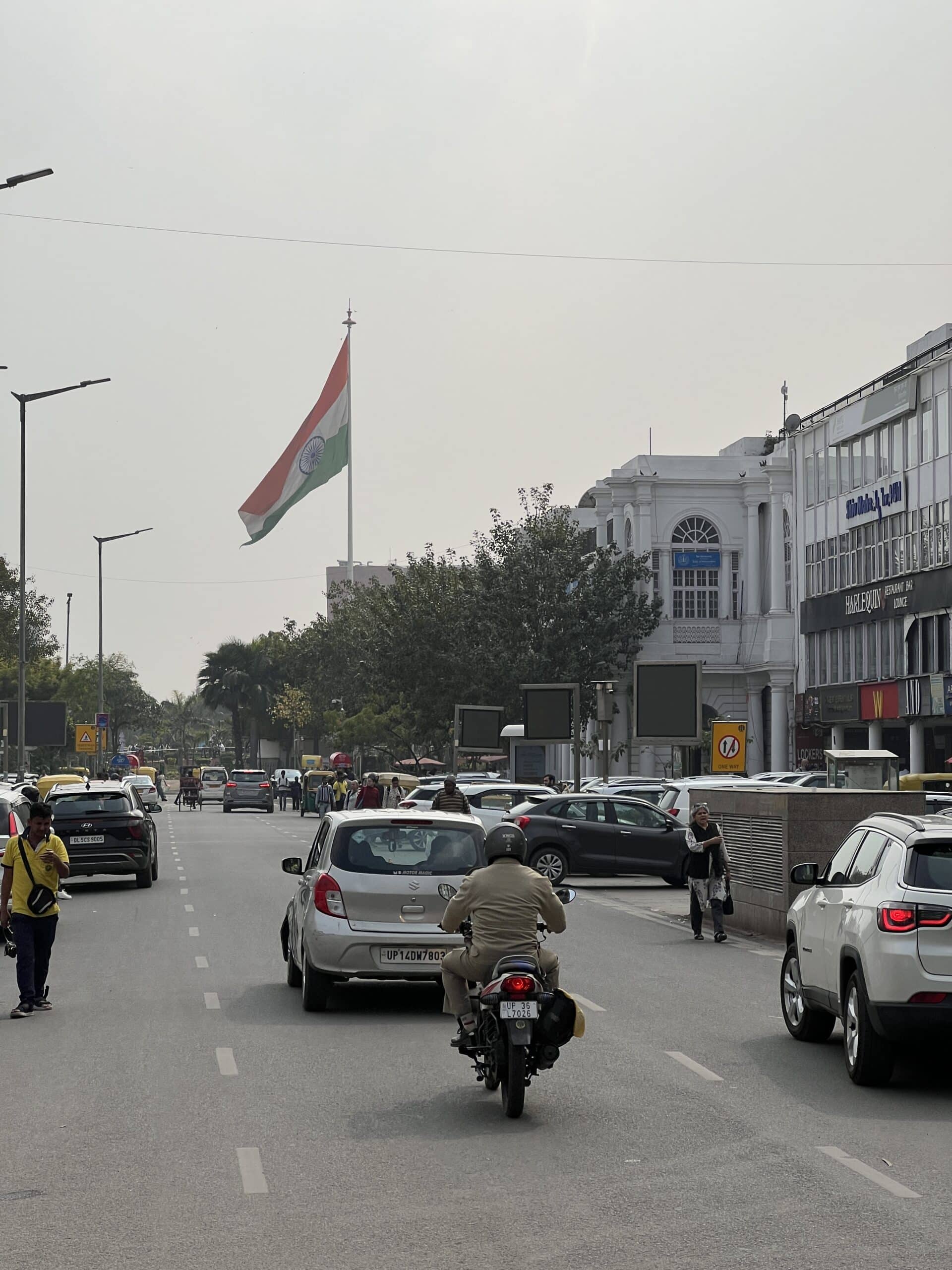
Use authorized exchangers, request a receipt, and check India’s current foreign-currency declaration requirements before departure.
Credit Cards in India
International credit cards are commonly accepted at established hotels, larger restaurants, shopping centers, airlines and many tourist-oriented businesses. Visa and Mastercard are generally useful to carry; American Express acceptance may be more limited.
Bring a credit card without foreign transaction fees if possible, ideally with a backup card stored separately. A shop displaying a UPI QR code doesn’t necessarily accept an international credit card. And if a payment terminal offers to charge you in your home currency or rupees, I generally choose rupees and let my card issuer handle the conversion.
Uber in India: A Small Payment Surprise
Although I routinely use Uber, I found that the app wouldn’t let me add a credit card once I was already in India. Switching the payment method to cash solved the problem, but meant I needed rupees for rides.
Interestingly, when I’d added a credit card to Uber before leaving home, I could use it in India. I noticed additional charges of around $1 alongside the rides, though I couldn’t determine whether they were temporary authorizations or actual fees.
Set up your preferred Uber payment method before departure, but know how to switch to cash. An app accepting your card at home doesn’t guarantee it will behave the same way abroad.
Auto-Rickshaws, UPI, and the Importance of Exact Change
Nearly every auto-rickshaw driver seems to have a UPI QR code ready. That’s wonderful when your app supports the driver’s account, but some drivers use personal UPI codes that MONY couldn’t pay during my travels.
And this brings me to one of my most practical recommendations: carry small-denomination notes and try to pay the exact amount. Finish an ₹80 auto-rickshaw ride and hand Uncle ji a ₹500 note, and you may find yourself waiting by the road while he tries to find change.
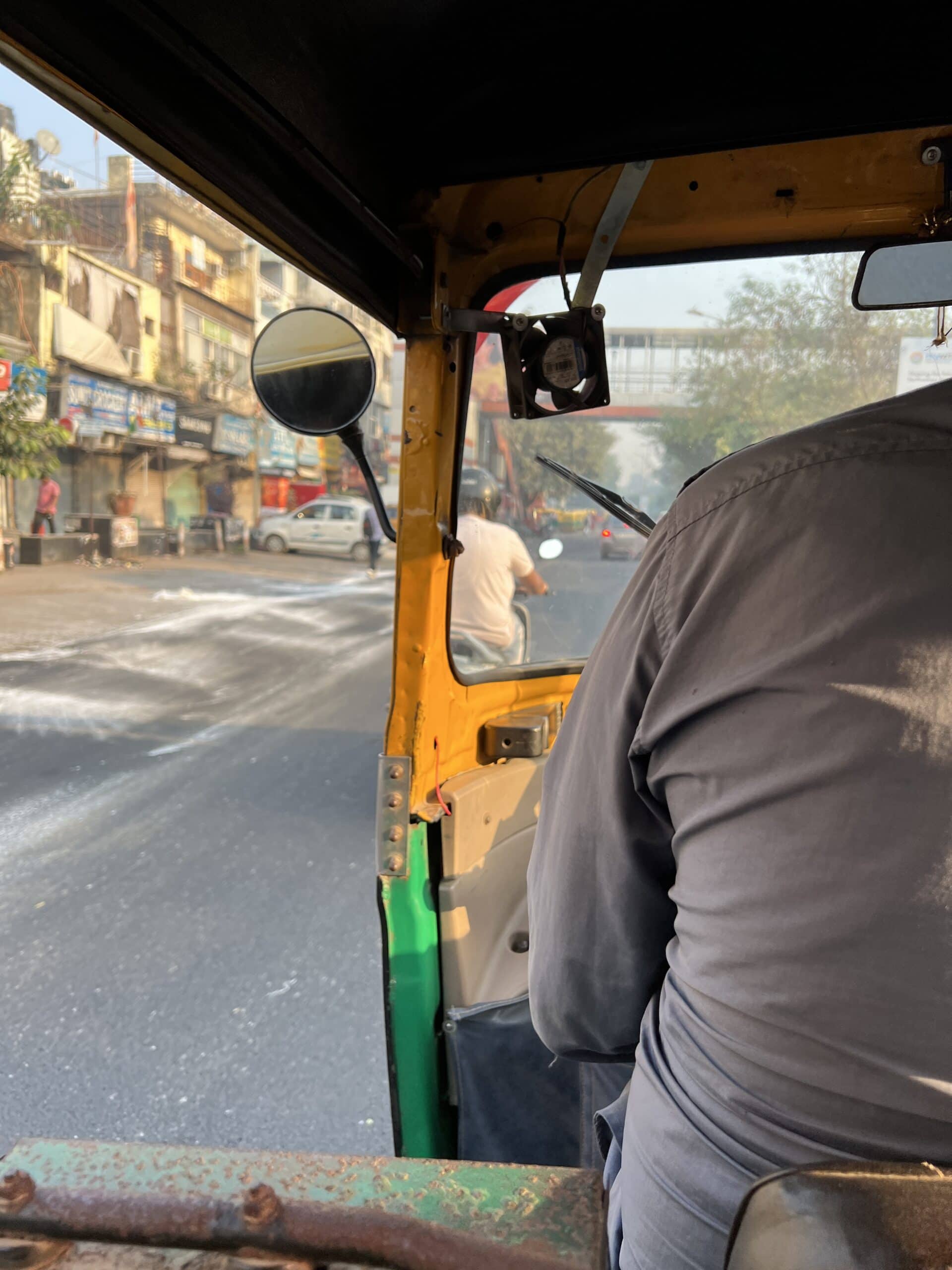
Keep ₹10, ₹20, ₹50 and ₹100 notes for rides, tea, tips and small purchases. Digital payments are convenient, but a few small notes can still save the day.
Check Your Banknotes Before Accepting Them
Damaged notes can become a surprisingly large nuisance. A torn note or one with a missing corner may be refused by a vendor. Check your change before putting it away, particularly larger notes; someone may be trying to pass along a damaged note they couldn’t spend themselves.
The Reserve Bank of India has rules for exchanging eligible soiled and damaged banknotes at banks, but dealing with that process isn’t how I’d want to spend an afternoon. Politely ask for a replacement if a note is badly damaged.
What about old ₹1,000 and ₹2,000 notes?
Old ₹1,000 notes were demonetized in 2016 and are no longer legal tender. ₹2,000 notes are different: they were withdrawn from circulation in 2023 but remain legal tender according to the Reserve Bank of India. Ordinary commercial-bank exchange and deposit facilities ended in October 2023, with special arrangements through designated RBI offices and India Post.
For a foreign visitor, I’d decline a ₹2,000 note as change. Even though it retains legal-tender status, it’s an unnecessary complication. Stick to commonly circulating denominations and inspect their condition.
Tipping and Paying Drivers or Guides
Tipping varies by setting. At restaurants, check whether a service charge is already on the bill. For porters, housekeeping, guides and drivers, smaller notes are useful. If you’ve hired a private driver for several days, clarify whether fuel, tolls, parking, meals, accommodation and gratuities are included before the journey begins.
Tipping deserves its own guide, and we’ll explore it more thoroughly elsewhere on Full Stop India.
My Recommended Way to Handle Money in India
After more than twenty years of traveling through India, my approach has become simpler. I’d arrive with a debit card, a credit card without foreign transaction fees and access to modest cash reserves. I’d use MONY for everyday merchant payments where it worked, a credit card for larger expenses and cash for smaller transactions or moments when technology wasn’t cooperating.
I’d keep roughly ₹2,000 available for an ordinary day, with emergency cash stored separately. I’d pay attention to ATM fees and ask a trusted local contact to recommend a money exchanger when I had cash to exchange.
Most importantly, I’d never depend on just one way to pay. India has become extraordinarily convenient for digital transactions, but there’s still something reassuring about having a few hundred rupees in your pocket when an app throws an error or Uncle ji needs exact change.

 Bindi: What the Dot on the Forehead Means in India
 What Is a Geyser in India? How to Get Hot Water
 How Much Should You Tip in India? A Practical Guide