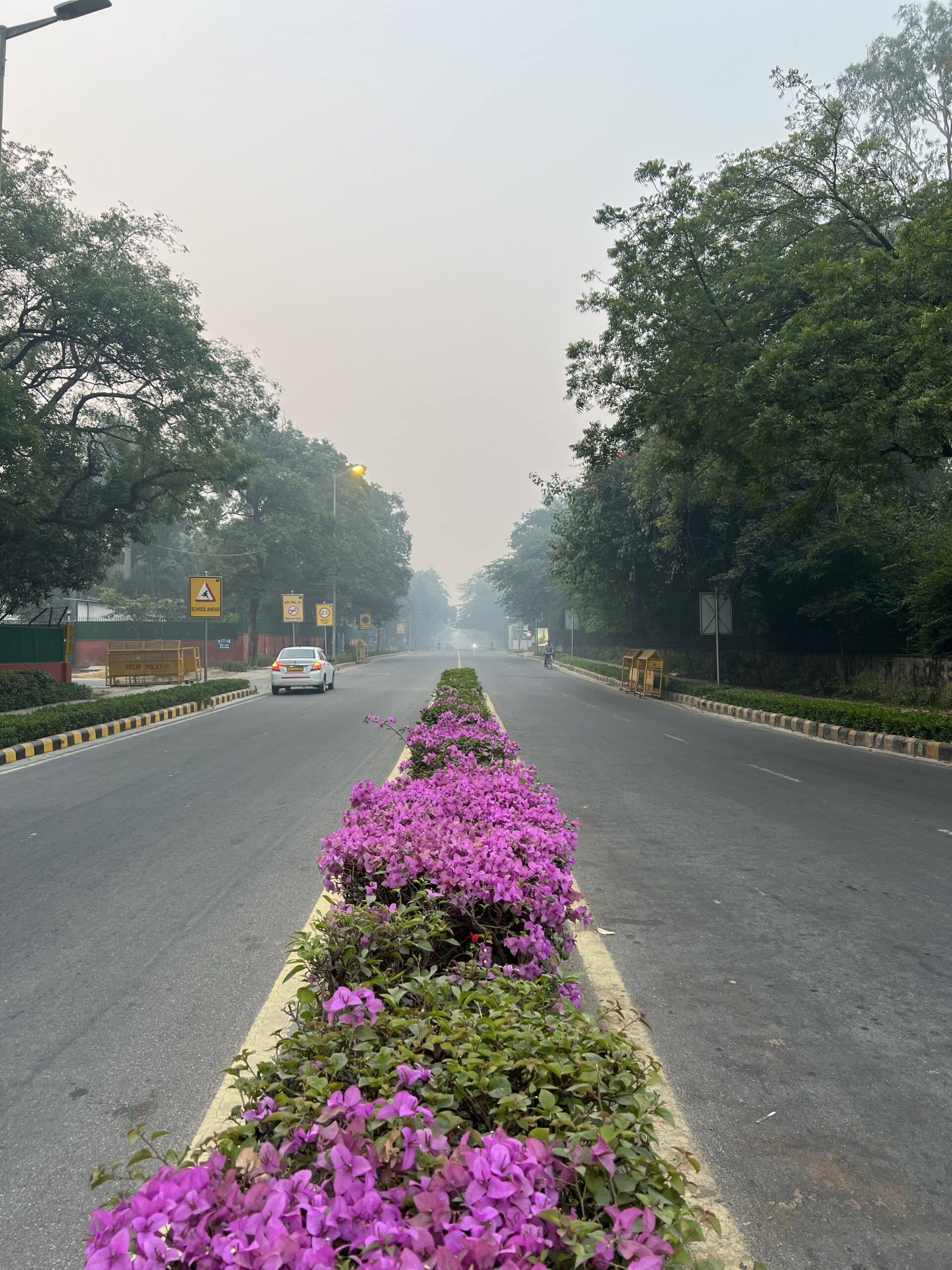
If I were visiting Delhi for the first time today, I’d probably cut and run. Seriously. How could you possibly know where to start?
You’ll likely arrive at night. Beyond baggage claim, a barrage of families, drivers, signs and noise awaits. Hopefully you’ve arranged a car. You put your faith in a driver you’ve just met, reach a hotel you can’t quite place on a map, and collapse. Or lie awake, exhausted and unable to sleep.
And then morning comes. You’re in Delhi. Time to get exploring.
Delhi is layered, intoxicating and in many ways more approachable than Mumbai. Getting your bearings takes time. Give her a little patience and she’ll begin to reveal herself.


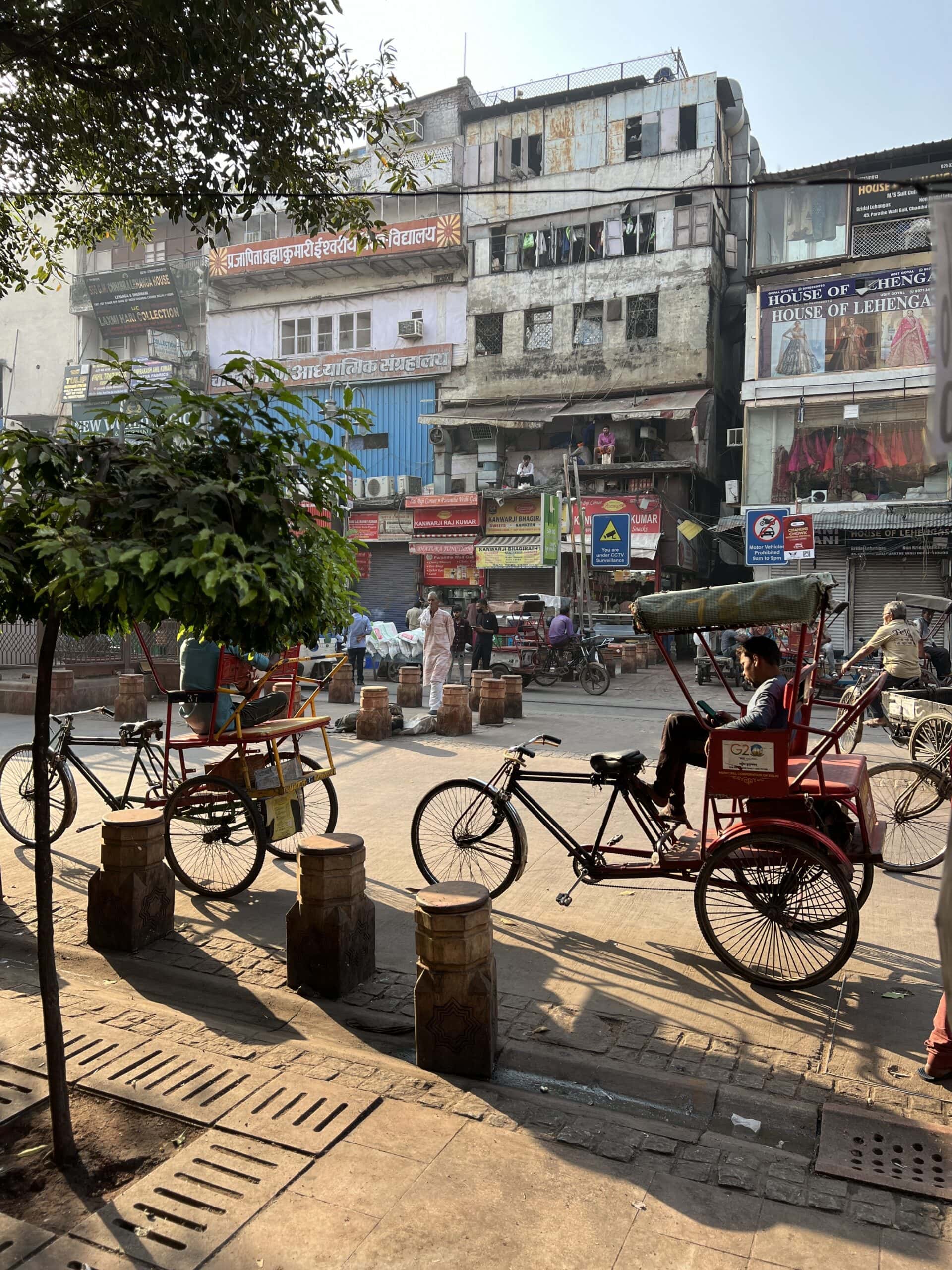
Before the city gets going
My mornings usually begin early, walking in Lodhi Garden, Deer Park or around India Gate. Lodhi is my preference. The auntie-jis and uncle-jis are out exercising, gossiping and catching up. I’m often the only foreigner in sight, which suits me fine.
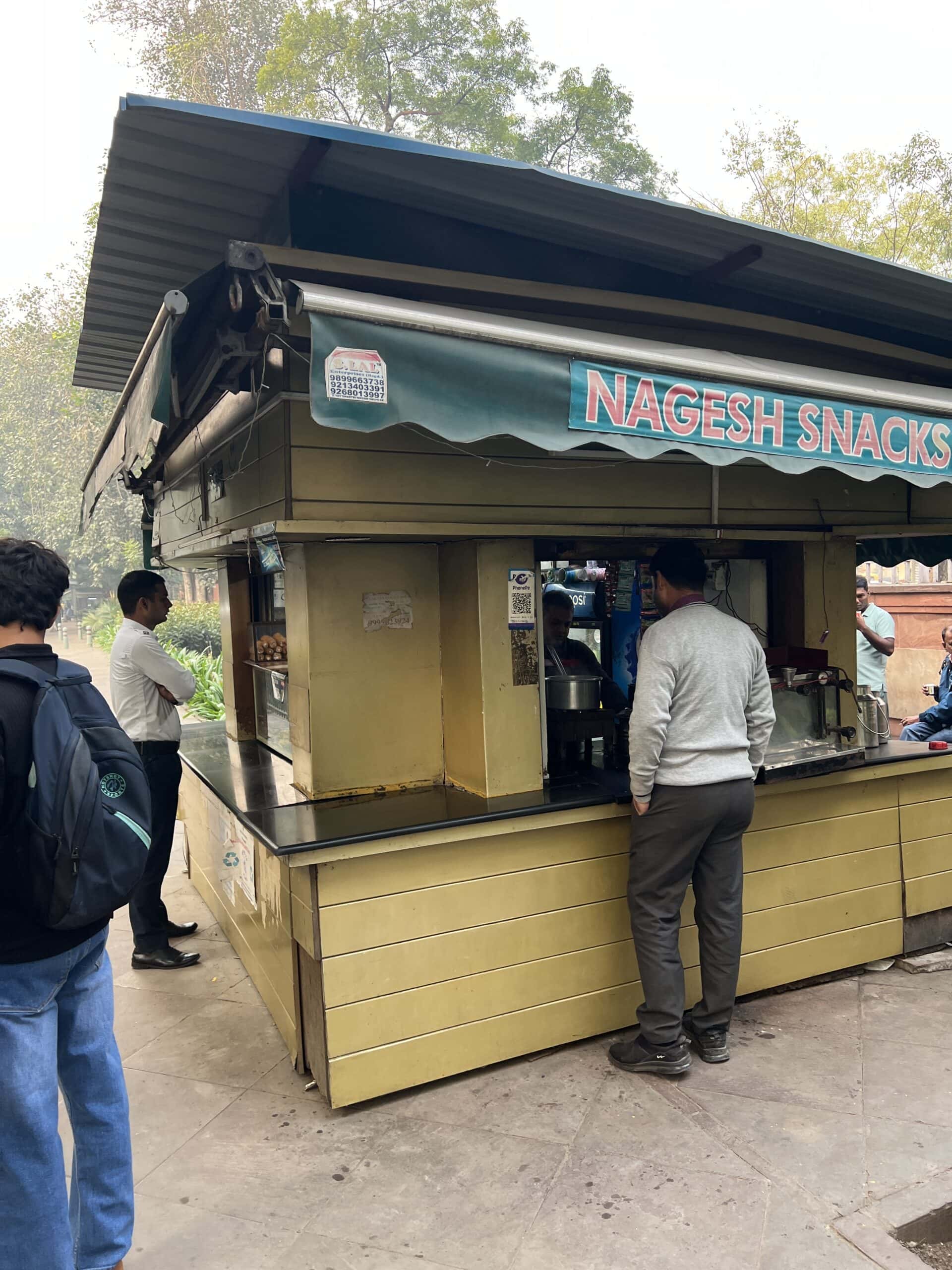
Afterward I’m on the lookout for chai. I scope out the roadside stalls and decide where to stop on the way back. It’s a side of Delhi you won’t discover from a tour bus.
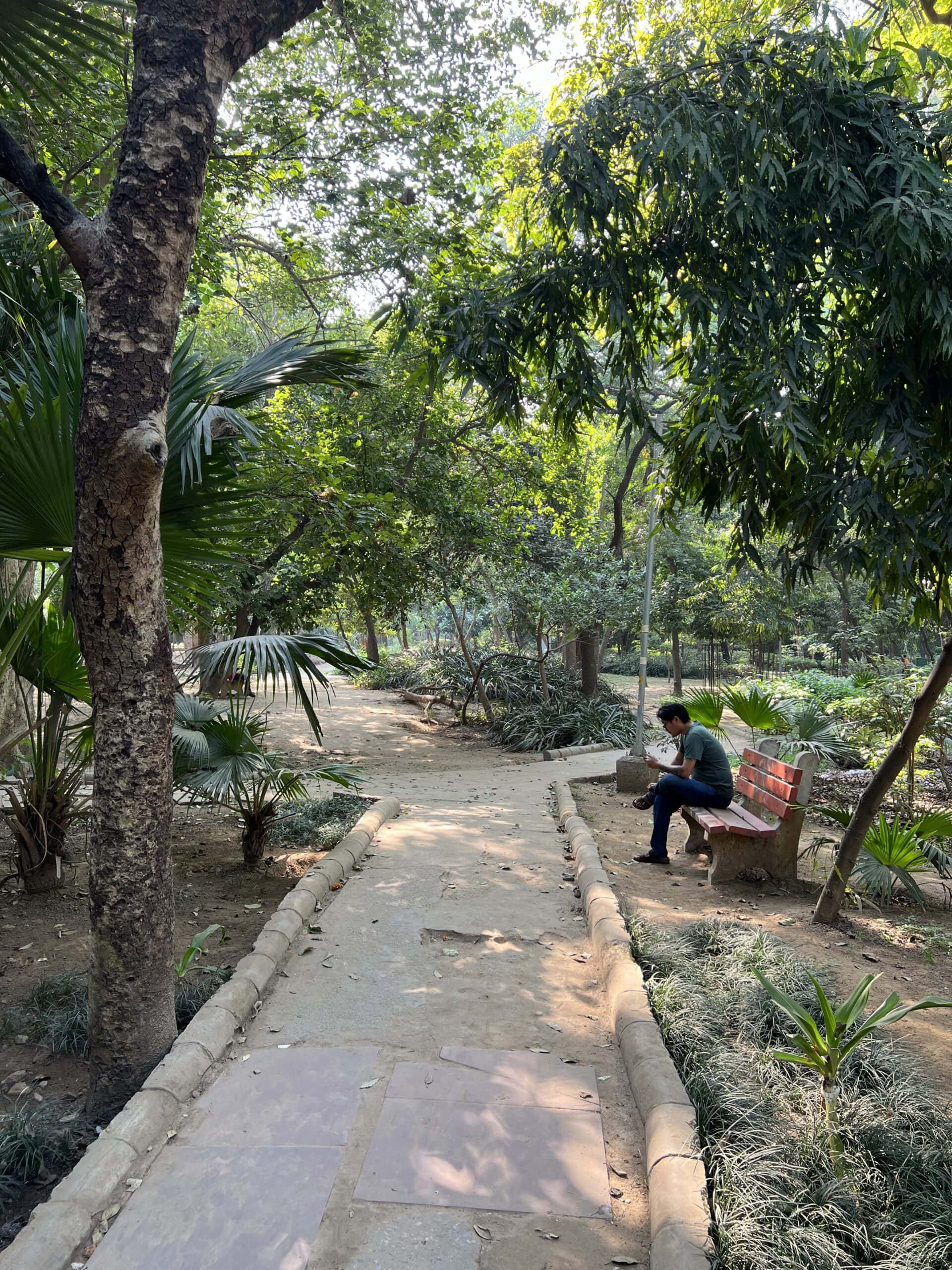

A city of neighborhoods
Delhi, like Mumbai, is all about its neighborhoods. I’ve seen the major monuments, often more than once. These days I rent somewhere in an area I want to explore and spend my time walking, finding coffee, browsing markets and galleries, and deciding where to stay next time.
Hauz Khas has long been a favorite for boutiques, food, Deer Park and the historic complex. Lodhi Colony is more my speed these days: Meher Chand Market, the Lodhi Art District, the India Habitat Centre and the gardens.
Defence Colony is leafy and comfortable; Greater Kailash has wonderful residential enclaves and restaurants. I visit Connaught Place for shopping and dining rather than staying there. Nearby Mandi House draws me for the arts. Sundar Nagar remains on my list.
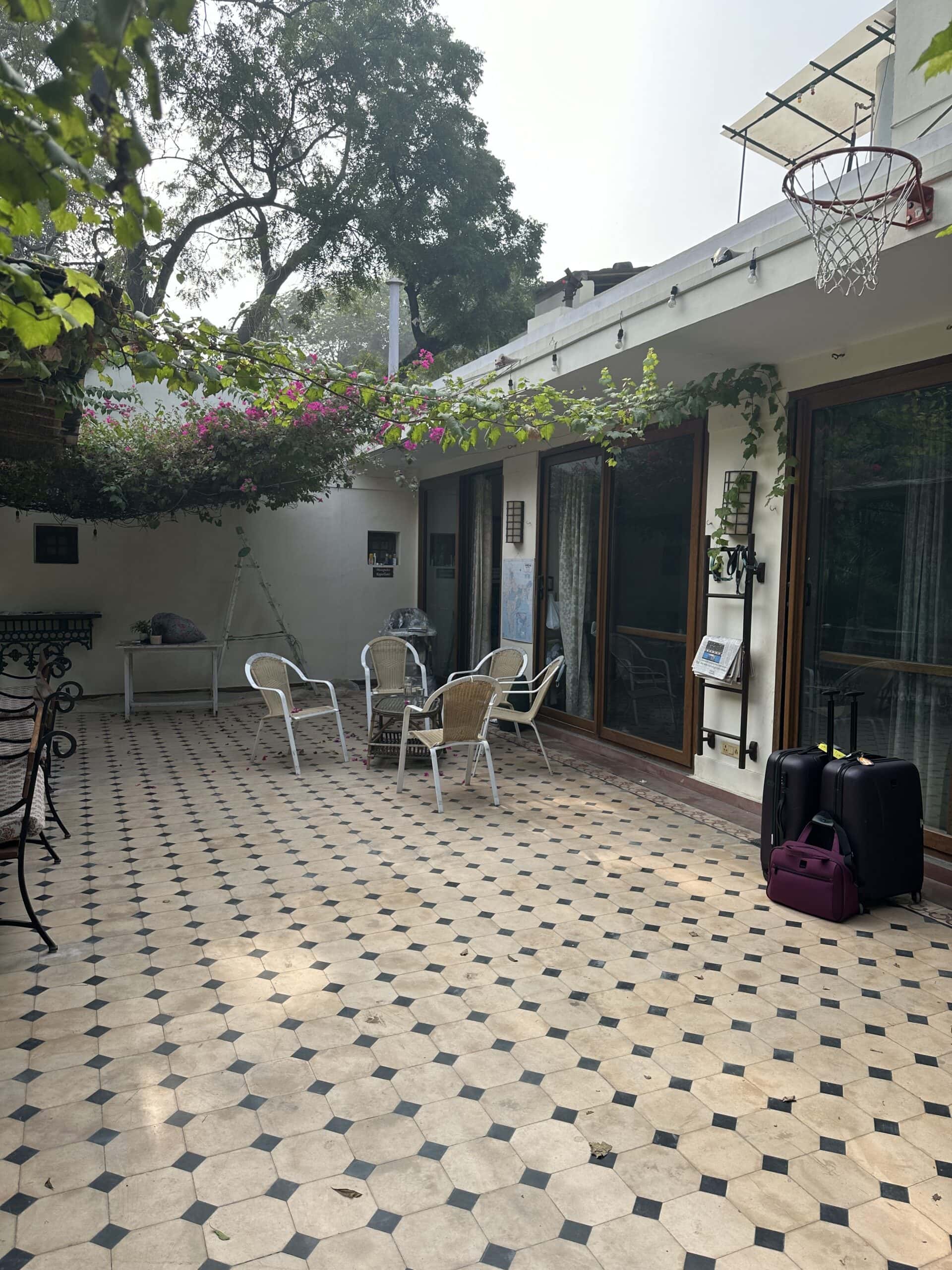
Where I put down my bags
I increasingly favor Airbnbs and homestays over conventional hotels. If you’re weighing up your options across India, I’ve written more about where to stay in India. I’ve rented an amazing three-bedroom flat in Greater Kailash and a tiny en-suite room in an old haveli near Green Park. Each was a very different way to experience the city.
More recently I stayed at Lutyens Bungalow, beside Lodhi Garden, and loved the personal atmosphere and proximity to Khan Market. I deliberately change neighborhoods between visits. The location shapes the experience.
History, without the checklist.
See the extraordinary monuments. Just don’t spend your entire visit rushing from one to another.

Safdarjung Tomb — I arrived before the ticket counter opened. Not another soul there. Just me and the birds. © Full Stop India
My must-sees
Humayun’s Tomb and the exceptional new underground museum belong at the top of the list. Qutub Minar is equally remarkable. Akshardham is extraordinary, though the journey and visit deserve a substantial block of time.
Worth your time
India Gate, Red Fort, Jama Masjid and the peaceful longer walk beyond Raj Ghat. For a deeper dive into modern history, consider Gandhi Smriti and the Indira Gandhi Memorial Museum.
The extras
Agrasen ki Baoli is a terrific historic stepwell. If Delhi is your only stop, don’t miss it; if Rajasthan is next, you might save your stepwell experience for there. The gardens at Rashtrapati Bhavan generally open for limited periods around February–March and August–September. Check before visiting. Sunder Nursery is still on my list.
Old Delhi, properly experienced
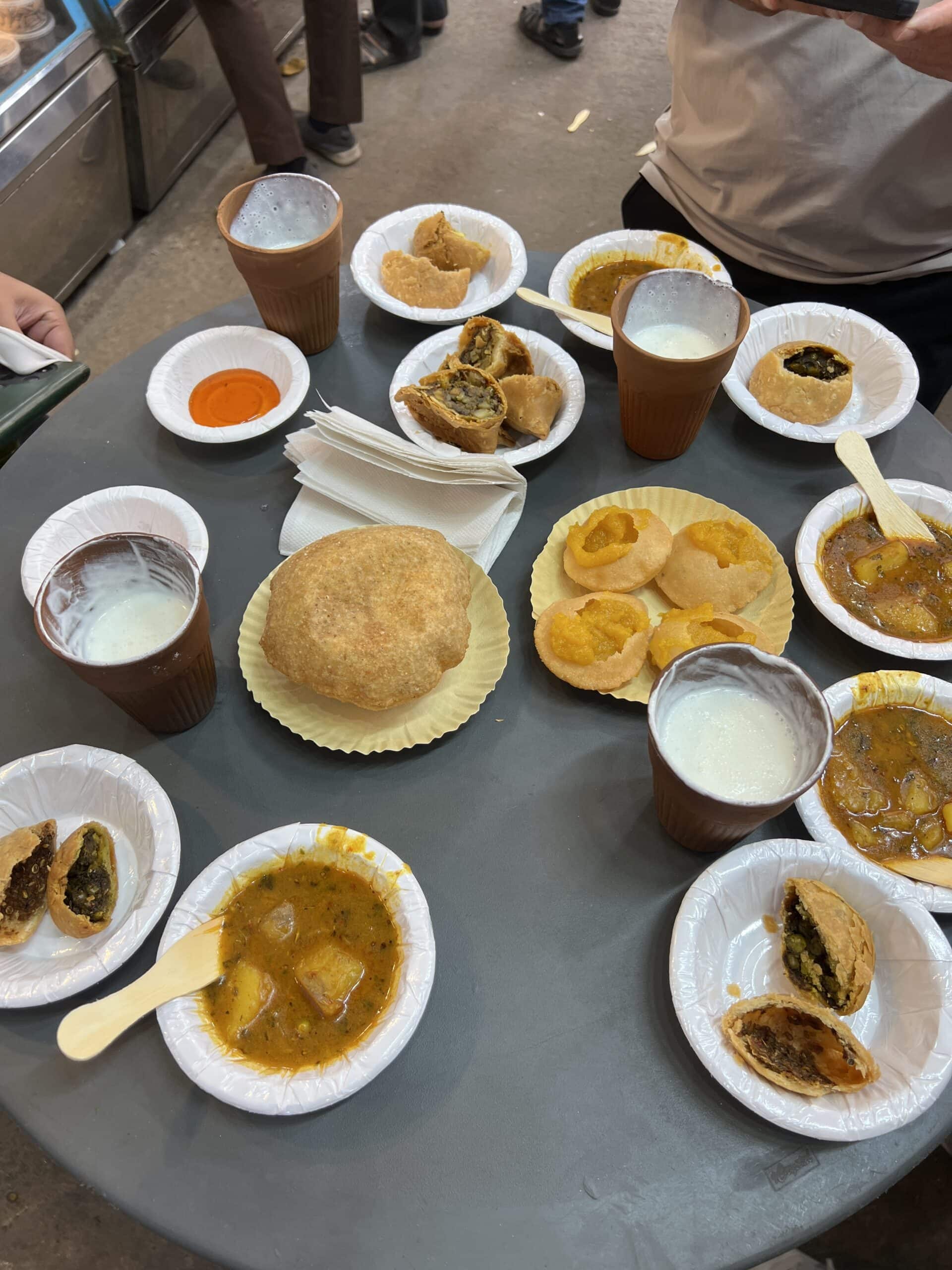
Set aside a full day for the Old Delhi area. The crowds, food stalls, merchants and narrow lanes of Chandni Chowk are the attraction as much as the monuments.
I’d start with Gurdwara Sis Ganj Sahib for an introduction to Sikh worship and langar, then take a guided food walk through Chandni Chowk. I only recently began eating street food, and I prefer food tours whose organizers have vetted the stops.
The Red Fort, Jama Masjid and the unusual Jain Charity Birds Hospital are worth considering according to your energy and interests.
“Delhi wants to be dated. Nothing too fast.”
The other Delhi: music, art, theater
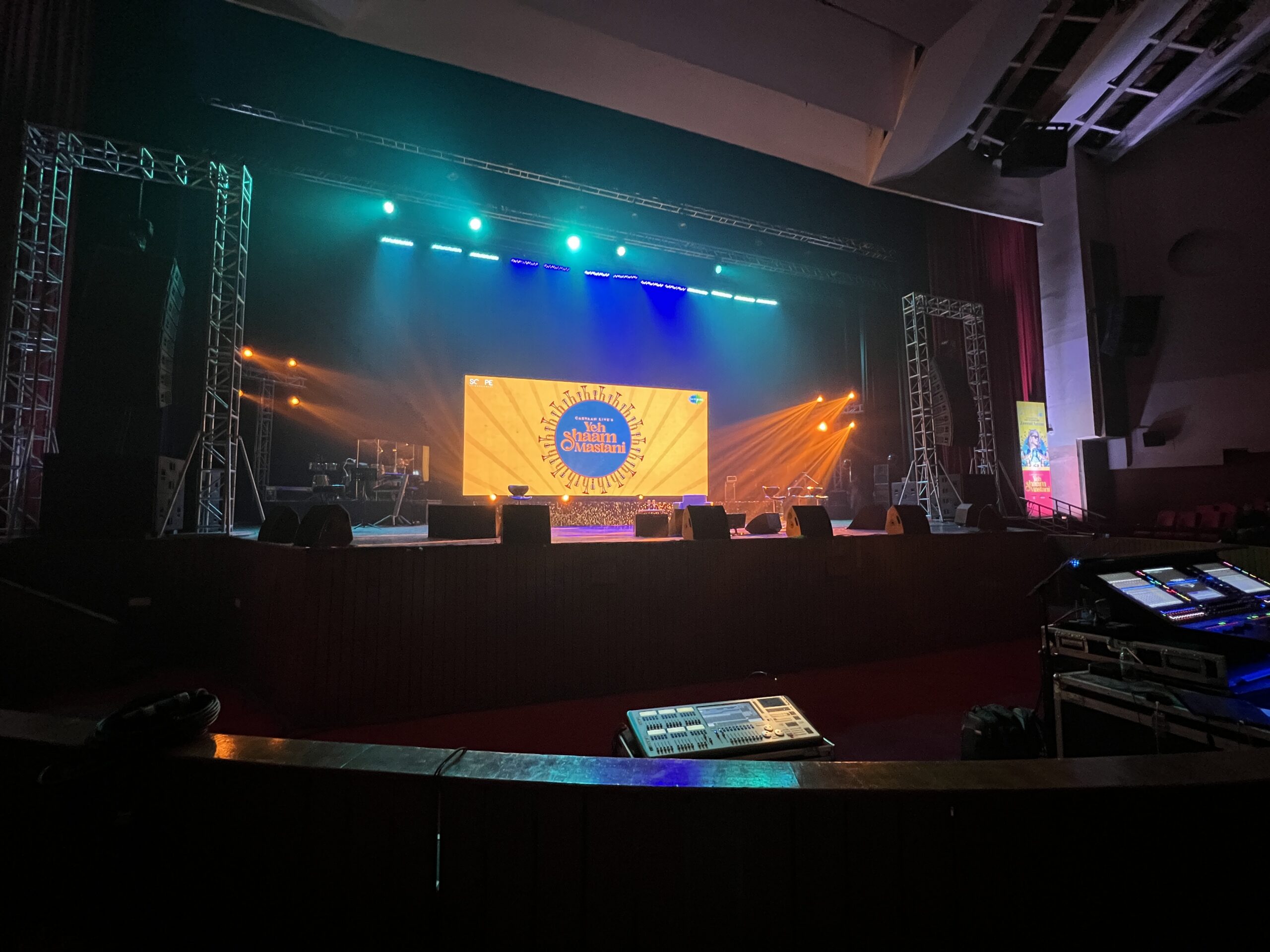
The India Habitat Centre is a gift to visitors. I’ve attended Sunday morning ragas and an Italian band’s performance hosted through Italian cultural representatives. Events are often free to nonmembers when seats are available; I’ve asked nicely and been welcomed in.
The calendar isn’t published very far ahead and cancellations happen, so keep some flexibility. I’ve also seen a Zeenat Aman appearance at Siri Fort, sitar at The Trialogue Company, and Hindi plays at the Little Theatre Group. I use BookMyShow constantly to see what’s coming up. For the bigger annual celebrations, fairs, and cultural events, take a look at our Festivals of Delhi guide.
I’ve explored galleries around Mandi House, though a proper organized art crawl is still on my wish list. Triveni Terrace Café and Habitat Hub make useful stops during a culture-focused afternoon.
The meals I remember
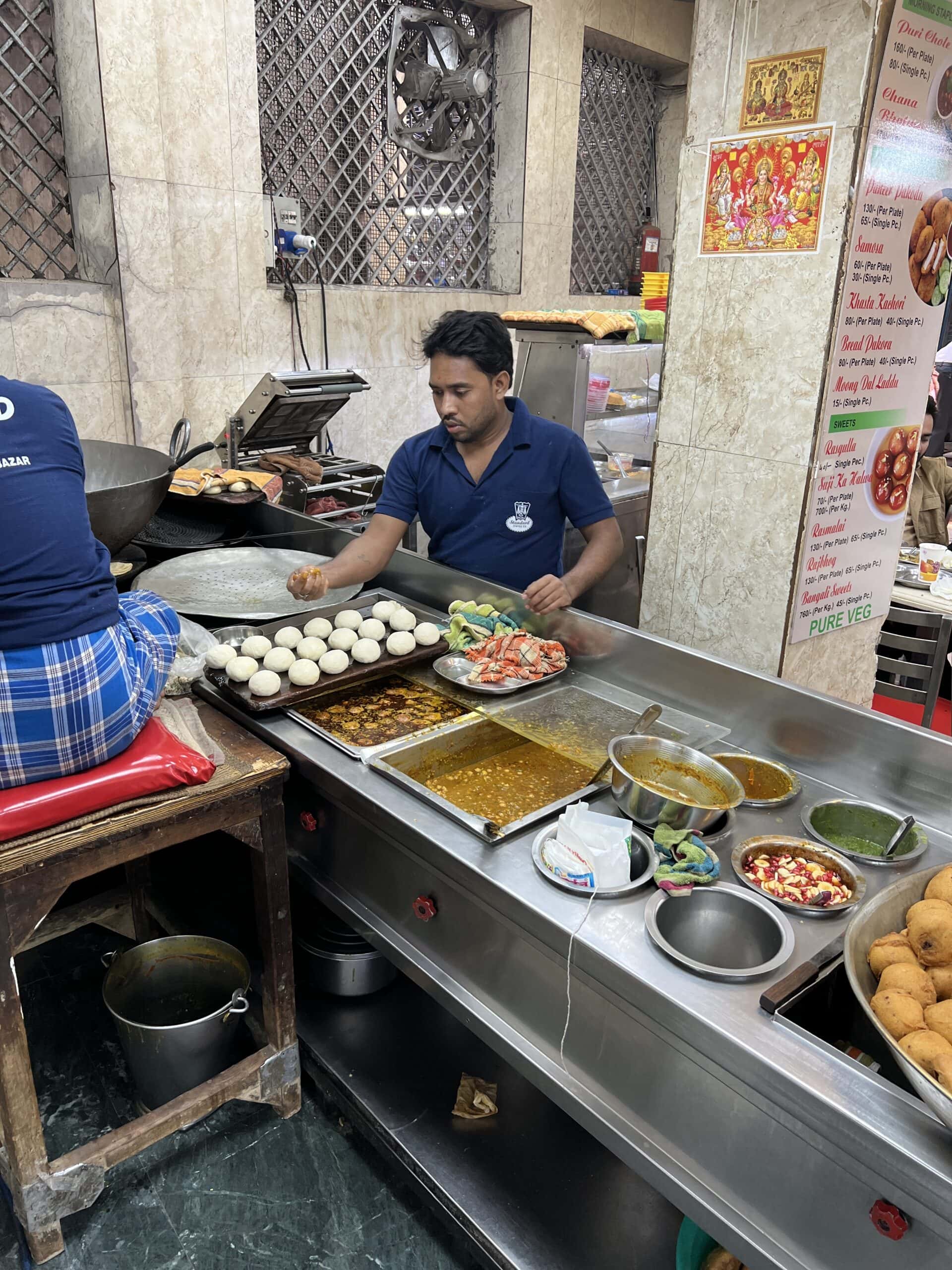
I often research restaurants before arriving. I’d heard about The Spice Route for years, and when I finally went, it was outstanding. I discovered Veda in Connaught Place just months after it opened, and returned 19 years later. It didn’t disappoint.
Pindi and Haldiram’s couldn’t be more different, yet both deserve a recommendation. I’ve enjoyed meals in Khan Market and Hauz Khas, and Sevilla at The Claridges may be one of Delhi’s most romantic dining spots.
Sometimes the decision is less glamorous: my stomach is gurgling, I check reviews, and somewhere like Tan Coffee in CP becomes the answer. For street food, my preference is a vetted guided tour through Chandni Chowk.
Metro is slick. Uber is slicker.
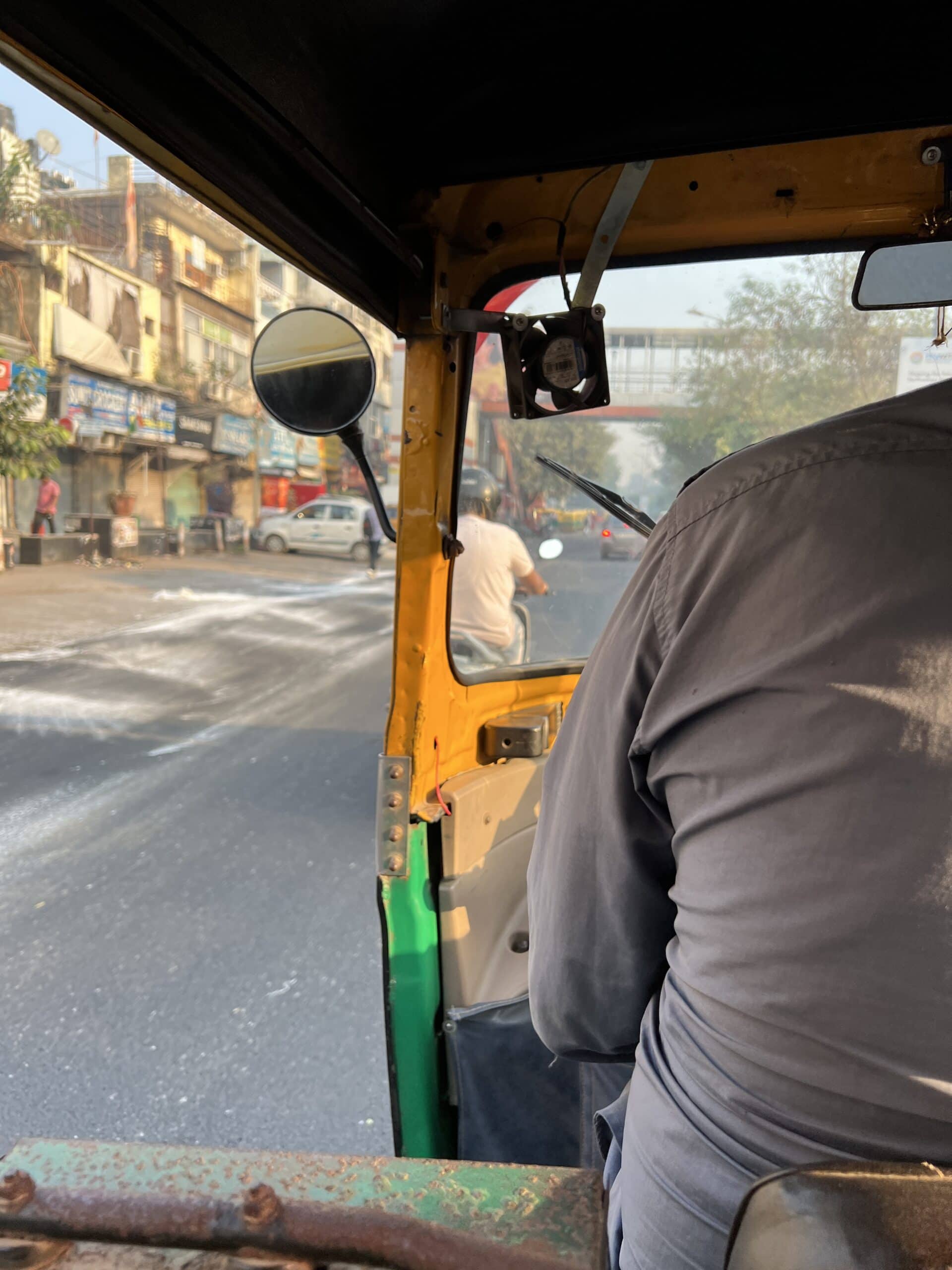
I prefer to be above ground, taking in the environment. Autos are my preferred way to travel Delhi, and I don’t mean automobiles. They’re auto-rickshaws, or tuk-tuks, and the driver is your autowalla. You can book them through Uber, which I usually do—unless the app is wonky or Uncle-ji is standing right there in front of me.
For a first-time visitor, though, I highly recommend a private car and driver. It’s more comfortable—or, as they say in India, tension free. Your driver helps order the day’s stops, advises on traffic and restaurants, and gives you a place for shopping bags. And the AC. Oh, the AC.
I design my own itinerary, listening when a trusted agent tells me the route is too aggressive. For Delhi car and driver services, Rajneish Singh at TNS Travels is the man with connections.
Delhi Essentials
A few useful details to have handy before you arrive—and a little reading for the journey.
DEL — Indira Gandhi International Airport
NDLS · DLI · NZM
DLI — Delhi Junction (Old Delhi)
NZM — Hazrat Nizamuddin Railway Station
Check the station code on your ticket: these are different stations. For the wider picture, see my guide to trains, flights and private drivers. Book trains through IRCTC.
Delhi Metro
Worth reading
- City of Djinns (affiliate link) — William Dalrymple. A wonderfully layered portrait of Delhi’s history and people.
- Delhi: Adventures in a Megacity (affiliate link) — Sam Miller. The city explored on foot, beyond the usual sights.
- Nobody Can Love You More (affiliate link) — Mayank Austen Soofi. An intimate look at lives in Delhi that many visitors never encounter.
Useful apps
- Google Maps — Restaurant reviews and walking directions.
- Uber — Book a car or, where available, an auto-rickshaw.
- Delhi Metro / DMRC — Plan Metro journeys.
- ixigo — If you only have one app for Indian rail travel, make it this one. You’re golden.
- BookMyShow — Look for films, performances, and events.
Three nights. Two full days.
You arrive late, spend two complete days discovering Delhi, and depart after a leisurely breakfast. That’s enough of an introduction before Agra or Jaipur calls. For the bigger trip, see planning an India itinerary that actually works.
An easy introduction
- Morning: Humayun’s Tomb and its museum
- Lunch: Somewhere lovely near Lodhi Garden, preferably outdoors
- Afternoon: Walk through Lodhi Garden, then return to the hotel for a rest
- Late afternoon: A cottage shop or gallery, if you’re feeling ambitious
- Evening: A delicious dinner and an early night.
Old Delhi and more
- Morning: Gurdwara Sis Ganj Sahib
- Late morning: Chandni Chowk walking and food tour
- Afternoon: An optional monument, or return to the hotel for a rest
- Evening: A cultural performance, if something appeals
- Dinner: Finish with a good meal
Leave wanting more.
After two full days, the history may still overlap in your mind—the emperors, the rulers, the British Raj, independence. That’s fine. Delhi isn’t always the India you imagined from the photographs. Head onward to Agra or Jaipur. The pieces will begin to fall into place. And when you return, Delhi will have more to show you.