
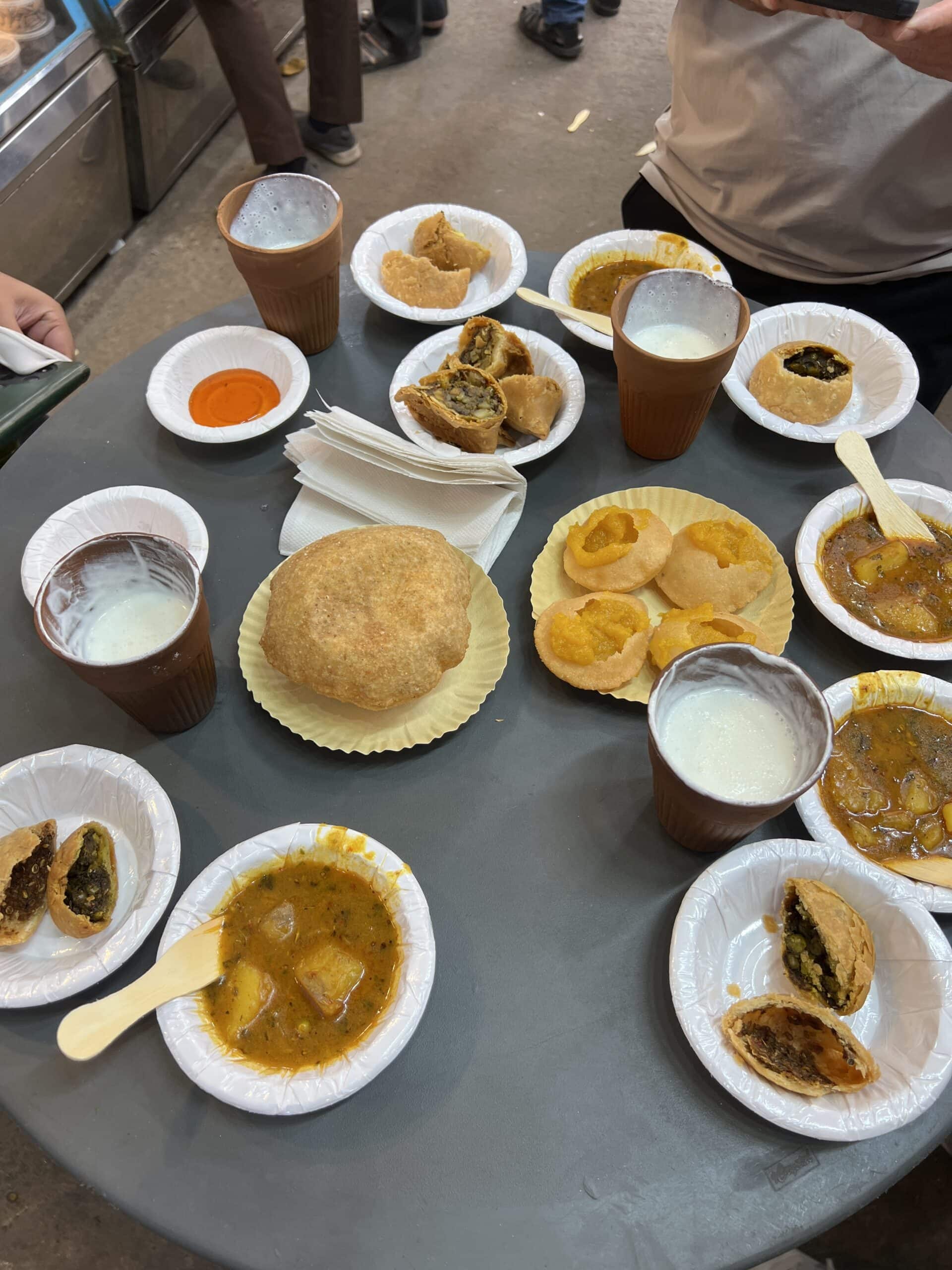
From roadside dhabas and morning chai to regional kitchens, neighborhood sweet shops, and lessons learned along the way.
There are few better ways to get to know India than through its food. Not simply by ordering a curry in a restaurant, but by stepping into a neighborhood dhaba, finding a chaiwalla on a quiet morning street, or sitting down to a meal where you aren’t entirely sure what will arrive. Food changes from neighborhood to neighborhood, city to city, and state to state. Before you go, it’s also worth reading my guide to health and food-and-water precautions in India. And sometimes, even in places you know well, there’s something new waiting to be discovered.
Two Food Tours That Changed How I Eat in India
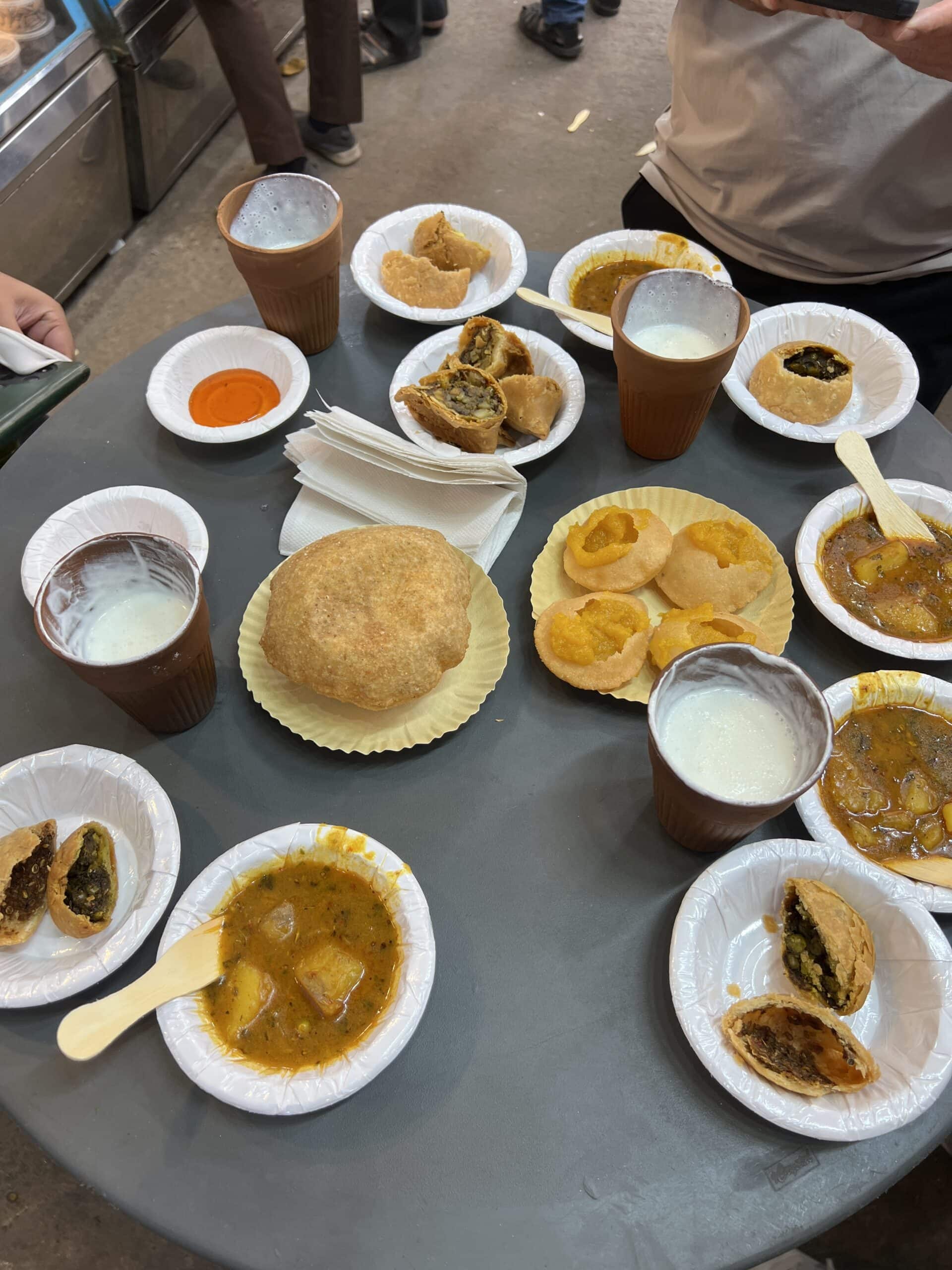
In 2025, I took two food tours that changed the way I thought about eating in India. One was in Delhi, the other in Lucknow. In Delhi, we walked through Chandni Chowk, whose narrow lanes I’d explored many times before. This time, instead of concentrating on the crowds and shops, I was paying attention to the food. For years, there had been things I’d wanted to taste but avoided, either because someone warned me against them or because I’d talked myself out of trying. With a knowledgeable guide leading the way, I finally tasted some of those foods.
What surprised me most wasn’t any particular dish. It was the guide’s explanation of how Indian food develops layers of flavor—how spices, ingredients, and cooking techniques work together to create something more complex than the individual components might suggest. Suddenly, familiar dishes had an entirely new dimension.
Lucknow offered a different experience. Our guide took us into local dhabas and restaurants, introducing us to unfamiliar flavors, regional specialties, and cooking traditions. We visited places I might easily have passed on my own, each with its own character and connection to the city’s culinary heritage. Both tours were highlights of my 2025 travels, not simply because of what we ate, but because of the people who brought those experiences to life.
A Country of Many Kitchens
One of the great pleasures of eating in India is discovering how dramatically food changes as you travel. Cross a state border and the menus, ingredients, and flavors begin to shift.
Delhi is a wonderful place to begin. Its restaurant scene is constantly evolving, with ambitious chefs, striking interiors, and menus drawing from across India and the world. You can eat chole bhature at a modest market stall for around ₹150, then spend considerably more at Indian Accent or The Spice Route. Punjabi, South Indian, Tibetan, and many other traditions are represented, and vegetarians will find an extraordinary range of choices.
If your travels take you to Lucknow, you’ll discover a city whose culinary traditions rival its remarkable history. Two specialties not to miss are kebabs and biryani. The famous galouti kebabs aren’t grilled chunks of meat: they’re extraordinarily soft, moist, and delicately spiced, practically melting in your mouth. There’s a fascinating story behind their tenderness, but I’ll leave that for you to discover on the ground. Lucknow’s fragrant, beautifully layered biryani brings another dimension of spice and flavor.
Head west into Rajasthan and look for ghewar, Rajasthani thalis, gatte ki sabzi, and laal maas. Gujarat brings sweet, savory, and tangy flavors together, with remarkable vegetarian cooking. Punjab has its own hearty breads, tandoor dishes, and gravies.
In Mumbai—still Bombay to many—the food scene embraces international influences and seafood alongside irresistible everyday comforts. Try vada pav, a spiced potato fritter in a soft roll, or pav bhaji, spiced vegetables served with buttered bread. Goa offers seafood, coconut, vinegar, and Portuguese-influenced preparations. Farther south, dosas, idlis, parottas, chutneys, and sambars reveal still more regional traditions. The more you travel, the clearer it becomes that Indian food is not one cuisine, but many.
India’s Sweet Shops: A World of Their Own
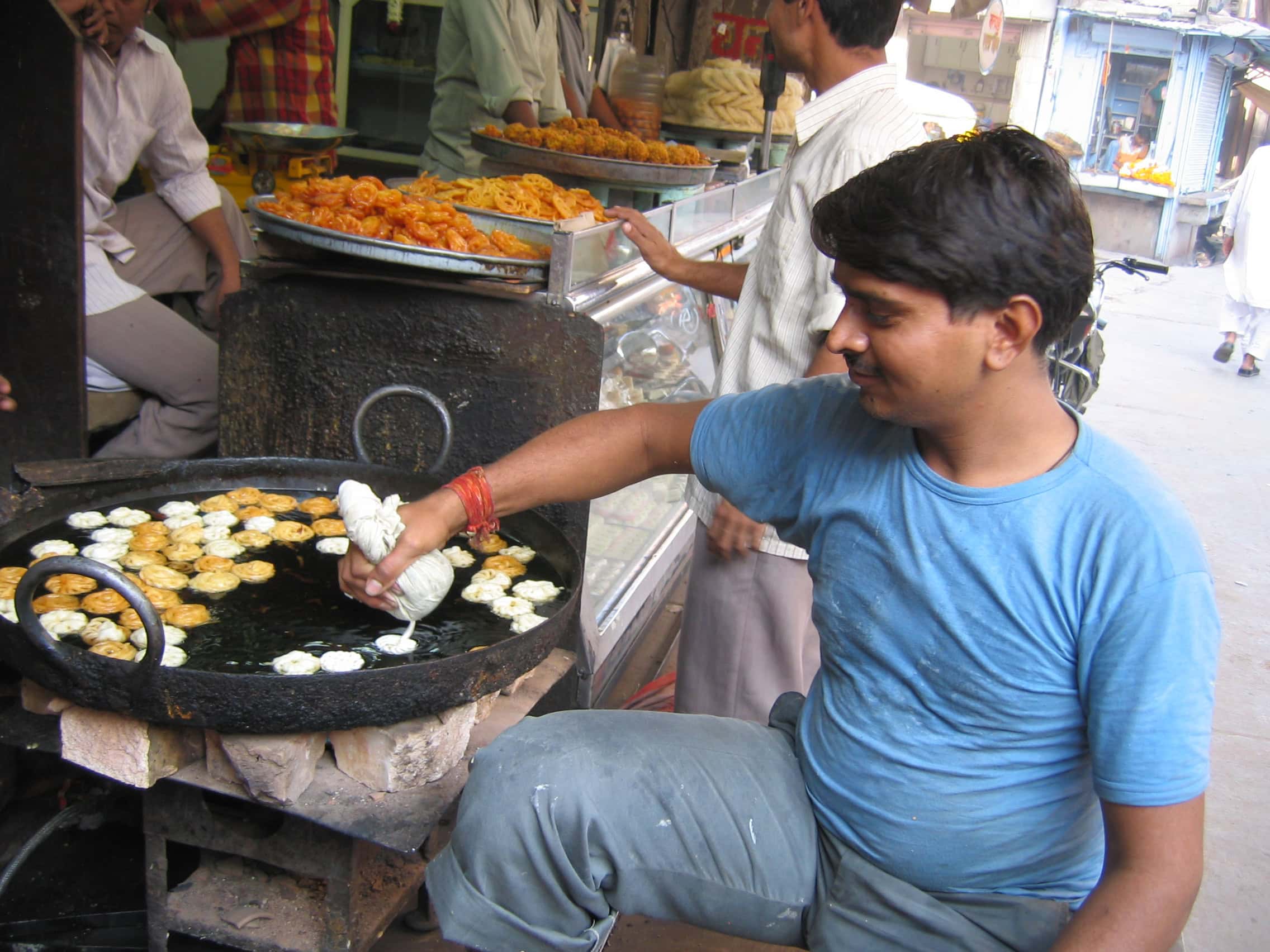
Even if you don’t have much of a sweet tooth, step into at least one traditional Indian sweet shop. They’re on another level. Trays of colorful confections, syrup-soaked treats, and creations made from milk, nuts, and chickpea flour can fill an entire counter. You’ll see barfi, peda, ladoo, jalebi, kaju katli, rasgulla, and regional specialties.
What I particularly love is the place these shops occupy in everyday life. Families have their favorite mithaiwalla, just as they have their trusted vegetable seller, butcher, or jeweler. It’s the shop they return to for festivals, celebrations, gifts, or something sweet to take home. Ask someone where to find the best sweets in their neighborhood and you’ll likely get a definite opinion. You don’t have to recognize everything behind the glass. Ask what’s popular and choose a few things that catch your eye. Even if you buy nothing, the variety alone is worth a visit.
Where to Eat: Sometimes the View Matters as Much as the Food
When I’m choosing somewhere to eat in India, the food is only part of the equation. I like good lighting, windows, activity, and a great location. Give me a table overlooking a busy street or a bar where I can watch the staff at work, and I’m happy.
The Roadside Dhaba
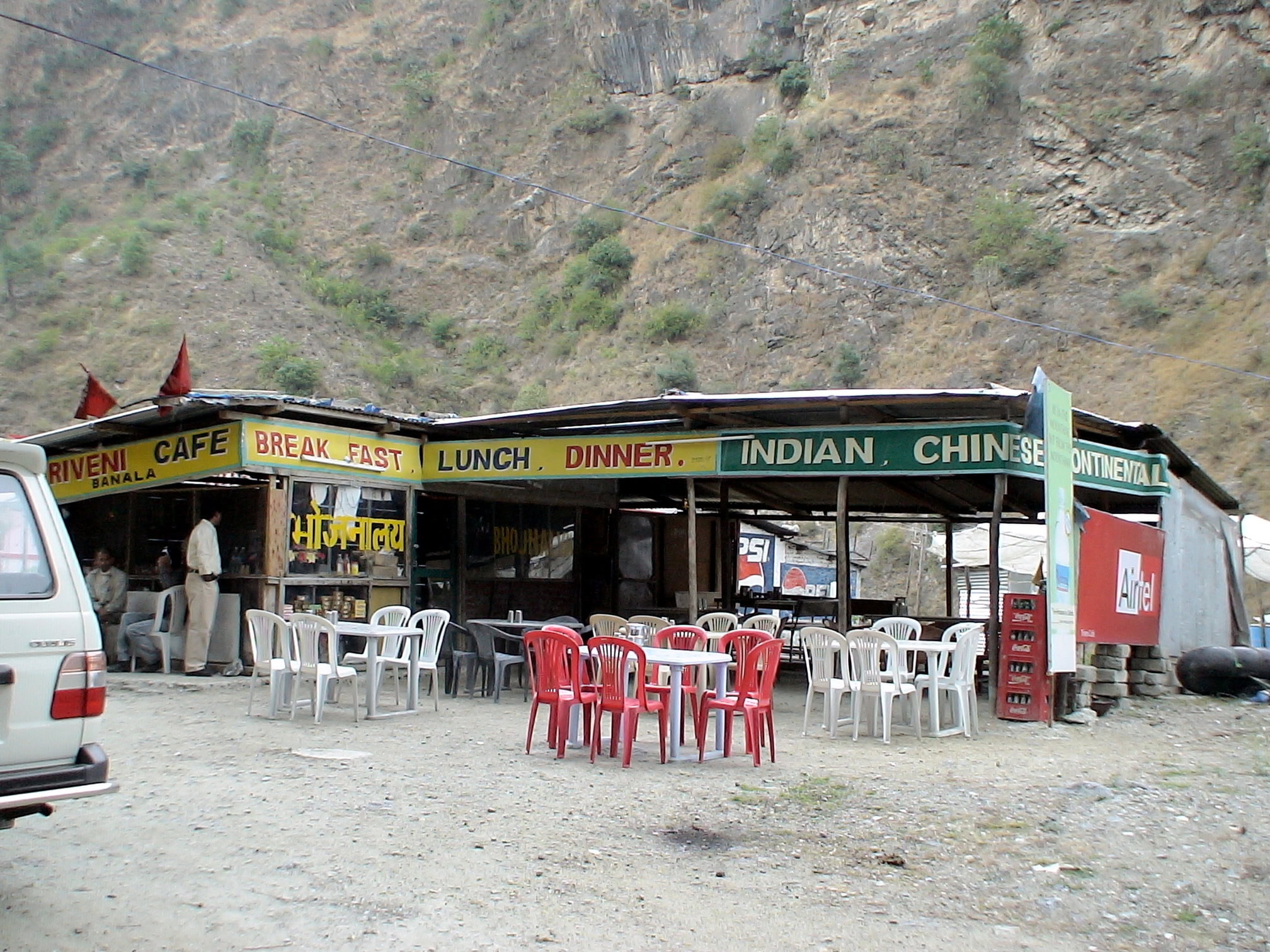
I love a good roadside dhaba. Plastic chairs out front, just off the highway—far enough away that the dust from passing vehicles doesn’t coat your teeth and food, but close enough to enjoy the procession of travelers heading to their destinations.
The chai might be tasteless or among the best you’ve ever had. The food is often traditional, home-style cooking, with the selection depending on the size of the operation. I’m especially fond of the uncle-ji standing by the highway with a sign, flagging motorists toward his restaurant. Larger dhabas often offer reasonably clean restrooms and a welcome break for drivers. If you’ve hired a private driver, the stop gives him a chance to eat a hot meal, sometimes at a reduced price, and rest before continuing. He needs a break just as much as you do.
A Few Places I Keep Coming Back To
In Delhi, Veg Gulati is easy, tasty, and affordable. Veda in Connaught Place offers a wonderfully theatrical interior and an upscale experience without outrageous prices. Juggernaut in Greater Kailash is another favorite.
In Jaipur, Tapri Central is hands down a favorite: cool atmosphere, great views, and even better food. I also love Peacock Restaurant. Sit at the bar.
In Bombay, lunch means Kala Ghoda Café—see and be seen. For dinner, Plural is a favorite, again from a seat at the bar. Then stroll over to Oh Dough for ice cream. Rub my belly now.
These aren’t the only places worth eating; they’re places I particularly enjoy, each offering something beyond what’s on the plate.
How I Find Places to Eat
I scour Google Maps, read reviews, inspect menus, and look through photographs. I search the internet and Instagram. Sometimes, though, it’s simply luck. Walking through a neighborhood, I’ll spot an interesting restaurant, take a picture, and investigate later when I have a hot minute. A good window, an inviting interior, or a busy dining room can be enough to catch my attention.
What to Drink in India
Chai: My Morning Ritual
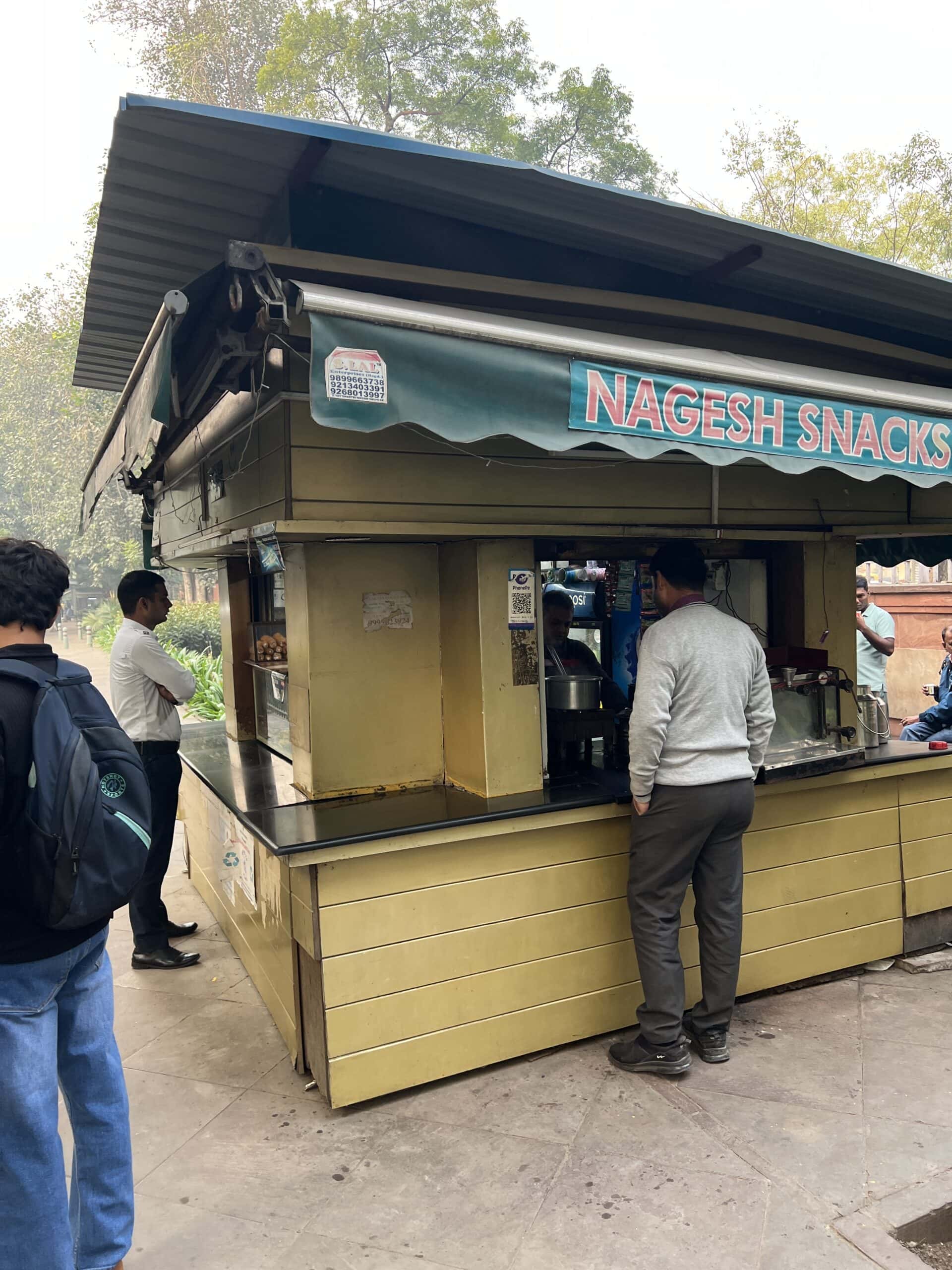
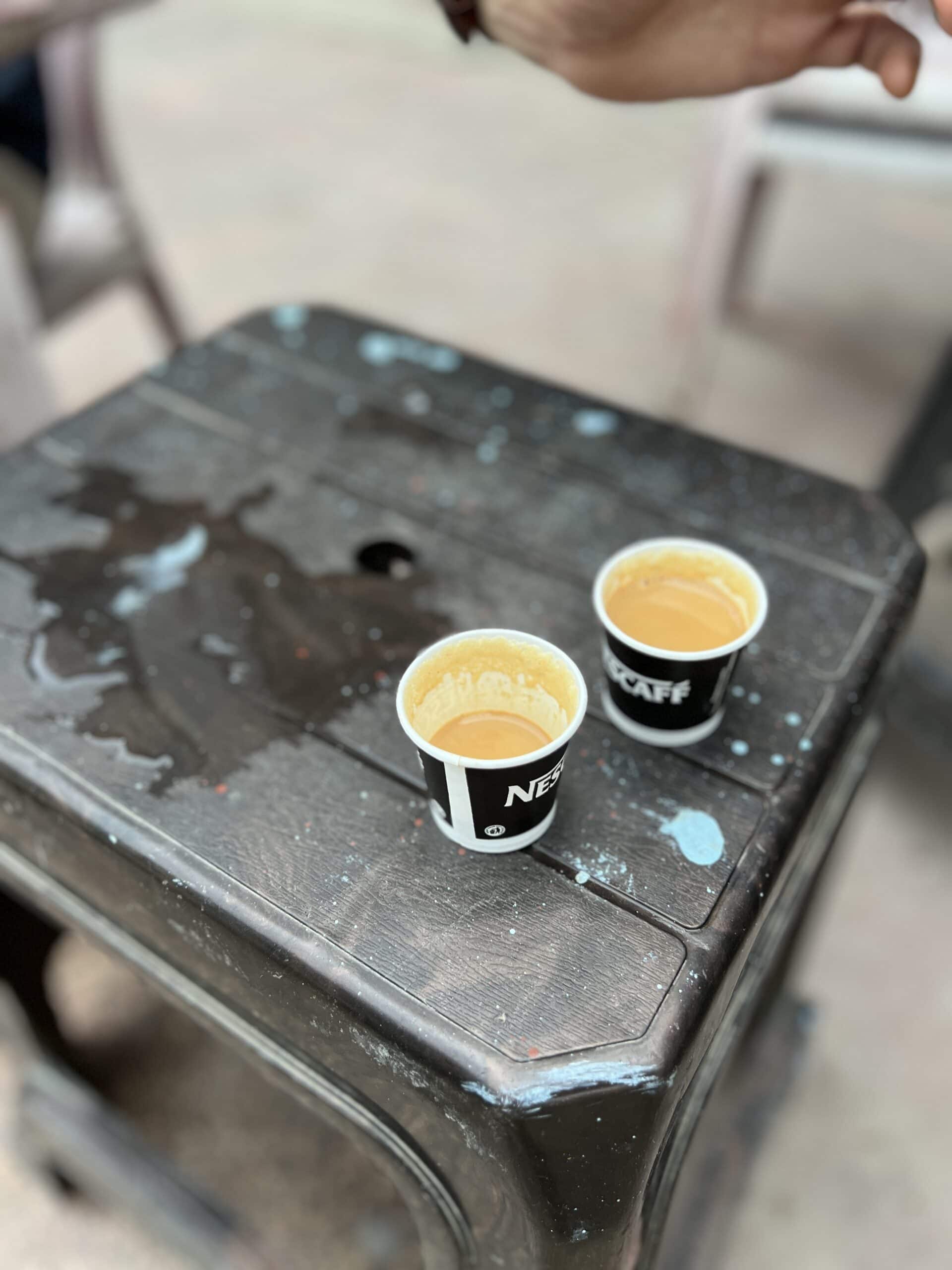
At home, I enjoy coffee and matcha. The moment I land in India, I switch to chai. Hotel chai? No thank you. I’ll find mine on the street with everyone else.
On my morning walks I take inventory of the stalls that are open. On the way back to my accommodations, I decide where to stop. Oddly, I often choose the chaiwalla without a line. I enjoy supporting the fellow tucked around the corner in a less-than-perfect location, watching the vendor across the street draw the crowd.
Chai recipes change around the country, and each chaiwalla has his own approach. Despite all my travels, I still usually order nothing more elaborate than “chai.” One tip: ask whether sugar has already been added. Often it has, and you don’t want to add more only to discover you’re having a little tea with your sugar first thing in the morning.
Lassi: Sweet, Please. Just Sweet.
I crave an ice-cold sweet lassi at least twice whenever I’m in India. Not mango, not plain, and definitely not mixed sweet-and-salty. Just sweet.
At Thali and More! in Jaipur—a good place for generous, reasonably priced food—I ordered a sweet lassi with dinner. One sip told me it was namak: salty. I explained the mistake and the server took it away, returning suspiciously quickly. The second sip revealed a mixed lassi, sweet and salty. Only in India. I gave up and concentrated on dinner.
For reference, meetha means sweet, namkeen means salty, and namak means salt. Even a little clarification doesn’t always work.
Coffee and Fresh Juice
Every now and then I get a hankering for coffee, but it isn’t an everyday necessity in India, so my recommendations are limited. Tan Coffee in Delhi’s Connaught Place is excellent and serves a good light or late lunch. In Jaipur, Curious Life Coffee Roasters, particularly near Central Park, is my favorite for coffee and people-watching.
Fresh juice? Here’s where I sound contradictory after encouraging adventurous eating: I avoid it. I don’t have a grand explanation. It’s just a personal habit, so I’m of no use to you in that department.
Alcohol: Available, Except When It Isn’t
Alcohol is available in much of India, but the rules vary dramatically by state. Some states, including Gujarat, Bihar, and Nagaland, have strict prohibition laws. Exceptions and permit systems vary, and a hotel isn’t automatically exempt. Dry days can also restrict sales on certain holidays or during elections, so check local rules.
Shops called wine shops, liquor shops, or bottle shops may sell beer, wine, and spirits. You’ll also see modest local bars, beer parlours, and in some places ahatas—informal drinking spaces, sometimes open-air, where groups of men gather for drinks and snacks. Their licenses and rules vary, so don’t assume you can bring your own alcohol.
Licensed hotels and upscale restaurants may offer a full bar, but alcohol can be surprisingly expensive after taxes and markups. Stock is often carefully inventoried. If an evening drink matters to you, check ahead rather than assuming your destination or restaurant will serve alcohol.
Eating Adventurously, Eating Safely
Between 2005 and 2013, I had my share of stomach trouble in India. Sometimes it was minor; sometimes I was incapacitated for days. In 2013, I came home with a parasite that took months to eliminate. None of it stopped me from returning.
I consult my doctor before trips and bring whatever treatment is currently recommended for me. Since 2013, I haven’t had gastrointestinal illness in India. Whether that’s due to better decisions, improvements I’ve observed in food handling and sanitation, or a combination, I can’t say.
I eat at dhabas, casual restaurants, and fine dining establishments. I also enjoy raw fruit and vegetables in hotels and ice in drinks. I’ve seen improvements over the years, although standards vary and ice being widely available doesn’t guarantee its water source. The point isn’t to be careless; it’s to exercise judgment without letting fear dominate the experience.
A Word About Drinking Water
I drink only commercially bottled water with an intact seal. If a server brings a pitcher, I politely decline. Bottled water is inexpensive and widely available, though I recognize the environmental concerns surrounding plastic. Some hotels and rentals have reverse-osmosis filtration, which can produce safe water when properly maintained, but I personally stick with sealed bottles.
I use tap water for bathing, handwashing, and dishes, and I brush my teeth with it without swallowing. Travelers who are uncertain about their water supply may prefer bottled or treated water for brushing, too. Foodborne illness happens everywhere, but risks vary; sensible precautions leave plenty of room to enjoy India’s food.
A Few Things to Know Before Sitting Down
Eating With Your Hand
Eating with your hand is common in India, but it isn’t required or expected of visitors. I do it about half the time. If you join in, use your right hand; the left is traditionally associated with personal hygiene. Washbasins have long been common in restaurants and dhabas. Wash your hands before and after eating.
Sharing Dishes and Discovering the Thali
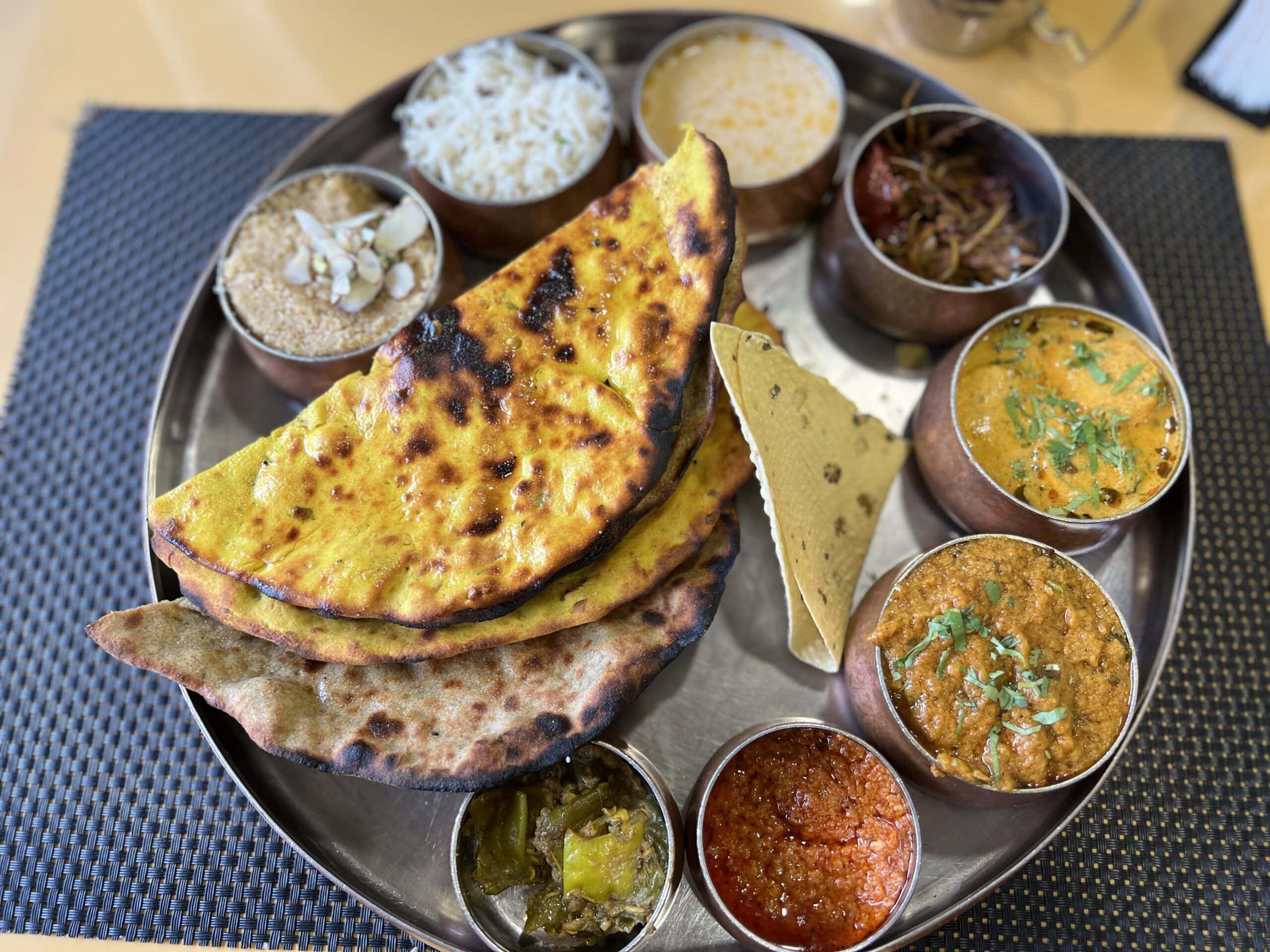
Sharing food is common, and portion sizes can be generous. A dish might serve two or three, especially once the rice and bread arrive. Ordering two dishes for variety can quickly become a feast.
A thali—Hindi for plate—is a wonderful way to sample many flavors. A large tray holds small bowls called katoris, which might contain dal, vegetables, curries, yogurt, chutneys, pickles, and dessert, alongside rice and bread. The combinations change by region. Some restaurants offer refills; others serve a fixed selection.
Tipping and Checking Your Bill
I usually tip around 10% at sit-down restaurants when I’ve enjoyed the service. It’s appreciated, but not an American-style obligation. Check the bill first: some places include a service charge. Under Indian consumer-protection guidance, restaurant service charges are voluntary rather than mandatory, and you can ask for one to be removed. GST is a separate government tax. At a chai stall, rounding up or leaving a little extra is fine.
Breakfast and Restaurant Hours
India has plenty of breakfast traditions—poha, parathas, idli, dosa, kachori—but if you’re looking for an early plate of eggs and sausage every morning, hotels and guesthouses serving Western breakfast are the easier bet. Many restaurants and cafés open later than early-rising travelers expect. Hotel breakfast may start at 7 AM; chai stalls can be operating around 6, while coffeehouses might not open until 8, 9, or 10.
Noon is early for lunch in many places, and 7 PM can be early for dinner. Some restaurants close between lunch and dinner services. Check hours before making a special trip. Larger hotels are often useful when you need food outside conventional meal times.
There’s Always Something Else to Taste
A different preparation of a familiar dish. A restaurant hidden in a neighborhood you’ve walked through a dozen times. A chaiwalla who makes his tea a little differently from the fellow across the street. You don’t need to try everything, abandon your judgment, or love every dish. But give yourself the opportunity to be surprised. Sometimes the meal you remember most isn’t the one you planned.

 Thali: India’s Many Meals on a Plate
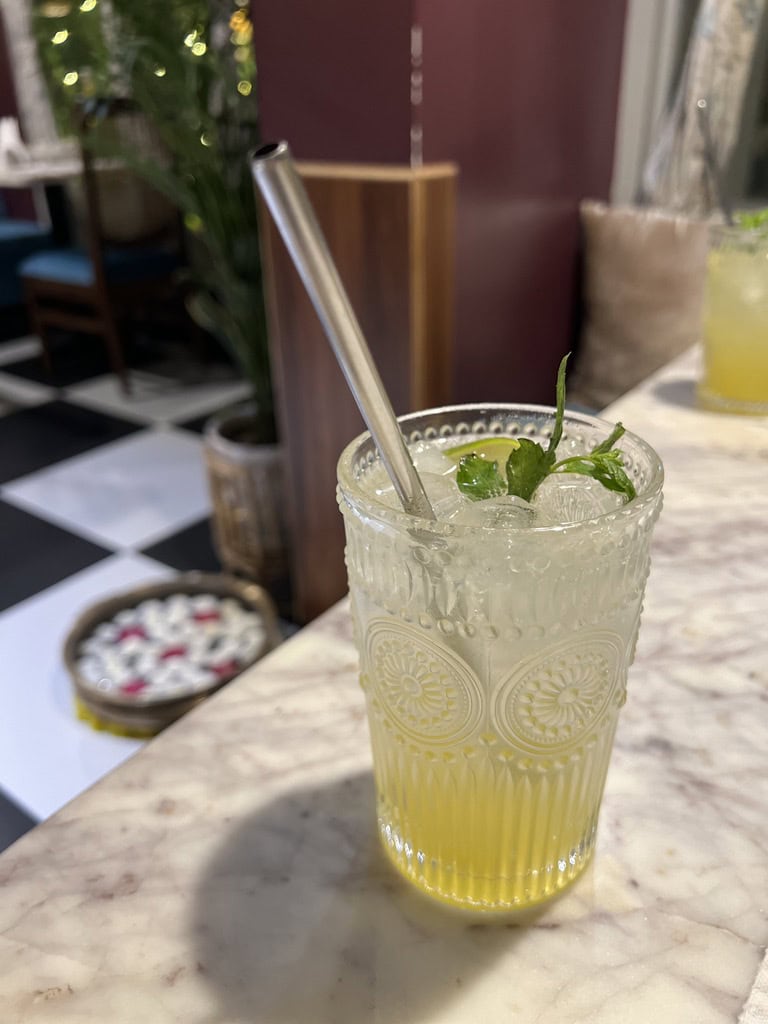 Lime Soda Sweet: The Refreshing Drink of India
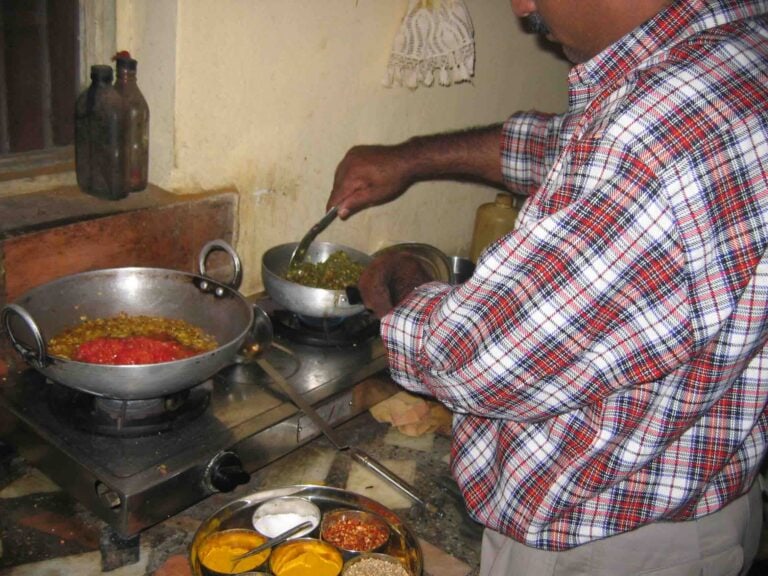 The Masala Dabba: Inside India’s Traditional Spice Box