
What to know before you go, what to pack, and why a little preparation can make all the difference.
There are more exciting things to think about before a trip to India than vaccinations, prescription medications, and travel insurance. I’d much rather be deciding where to spend an extra night in Rajasthan or which part of Delhi deserves another morning.
But good preparation has its rewards. I’ve been traveling to India since 2005, and staying healthy isn’t about avoiding every unfamiliar experience. It’s about understanding the risks, making sensible decisions, and knowing what to do when something doesn’t go according to plan.
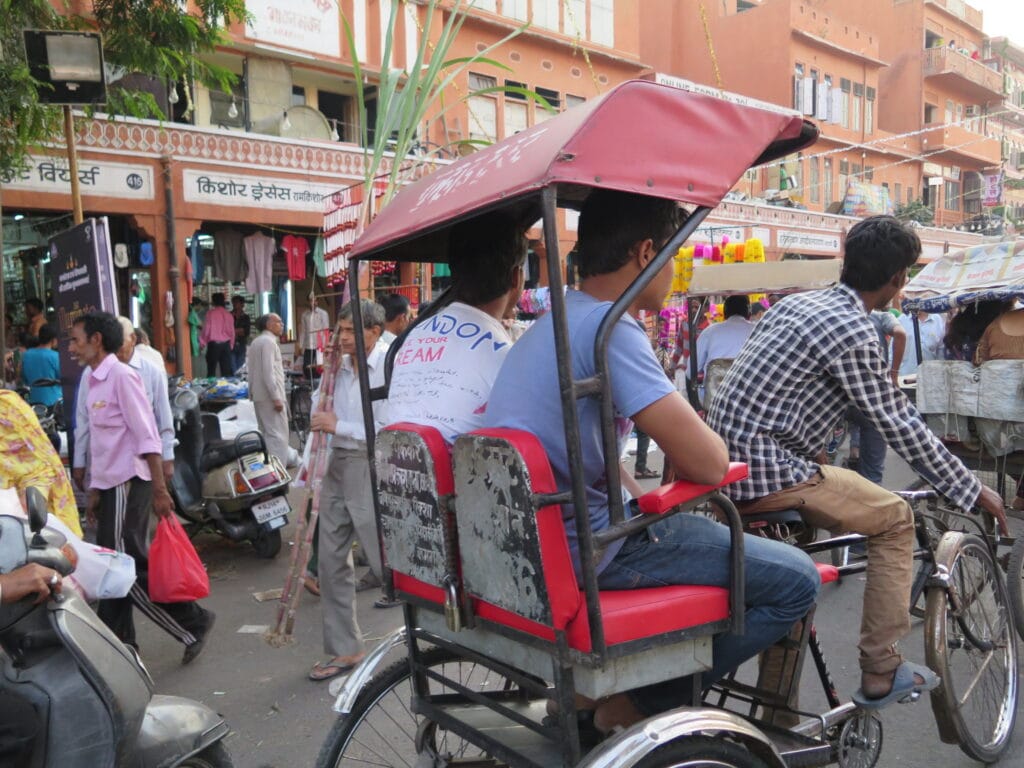
Before You Leave: A Visit to a Travel Health Clinic
Ideally, arrange a travel-health consultation four to six weeks before departure, or earlier if your itinerary involves remote areas or multi-dose vaccines. Bring your itinerary, vaccination history, and medication list. Health considerations vary by region, season, activities, age, and medical history. The goal is to decide which precautions are appropriate for your trip.
Which Vaccinations Do You Need for India?
Check routine vaccinations, including MMR, tetanus/diphtheria/pertussis, polio, influenza and other age-appropriate immunizations.
Hepatitis A: Recommended for unvaccinated travelers; it can spread through contaminated food or water.
Hepatitis B: Recommended for unvaccinated travelers according to age and individual risk; transmission can occur through blood, bodily fluids, and unsafe medical procedures.
Typhoid: Recommended for most travelers, particularly those visiting smaller cities or rural areas. Vaccination does not replace food and water precautions.
Rabies: Consider pre-exposure vaccination for extended rural visits, animal exposure, or places where prompt treatment could be difficult. Even vaccinated people need urgent assessment after a potential exposure.
Japanese encephalitis: May be appropriate for longer stays or substantial rural outdoor exposure.
Yellow fever and polio entry rules: Certain travel histories and routes can trigger vaccination-document requirements. Confirm current rules before flying.
In a February 2010 Full Stop India article, India Vaccinations, now part of the site’s archives, I wrote about having traveled to India several times without additional travel vaccinations. I also described how conversations with medical professionals eventually persuaded me to seek hepatitis A and B vaccinations.
That was an account of my thinking at the time, not advice I’d offer travelers today. Years of uneventful trips don’t eliminate the risks of the next one. My advice now is simple: speak with a qualified travel health professional and make decisions based on your own health and itinerary.
Malaria, Dengue & Mosquito Protection
Malaria risk varies by itinerary. A travel clinician can advise whether preventive medication is appropriate and discuss options such as atovaquone-proguanil (Malarone), doxycycline, mefloquine, or—in eligible circumstances—tafenoquine. Each has different schedules, contraindications and side effects.
I previously wrote about taking doxycycline and comparing it with Malarone. That experience is useful context, not a prescription for anyone else.
Dengue is another important mosquito-borne illness, including in cities. Its mosquitoes often bite during daylight hours. Use an effective insect repellent, such as one containing DEET or picaridin, and follow its label. Lightweight covering clothing, screened rooms, and, when appropriate, treated clothing or mosquito nets can also help.
Prescription Medications: What to Bring
Bring enough regular medication for your trip plus a reasonable reserve. Keep it in original labeled packaging in your hand luggage, along with a list of generic names and doses. For controlled medicines, injectables, or medical equipment, check Indian import rules and ask your clinician about supporting documentation. Do not assume a particular brand or medicine will be available locally.
What I Pack in a Small Medical Kit
I prefer a compact kit: oral rehydration salts, bandages, basic antiseptic supplies, a thermometer, an appropriate pain reliever, sunscreen, insect repellent and my regular medications. Ask a clinician whether an antidiarrheal, motion-sickness treatment, or a prescription for certain cases of travelers’ diarrhea makes sense for your itinerary.
Food, Water & Your Stomach
Travelers’ diarrhea is common enough to prepare for, but it shouldn’t define your journey.
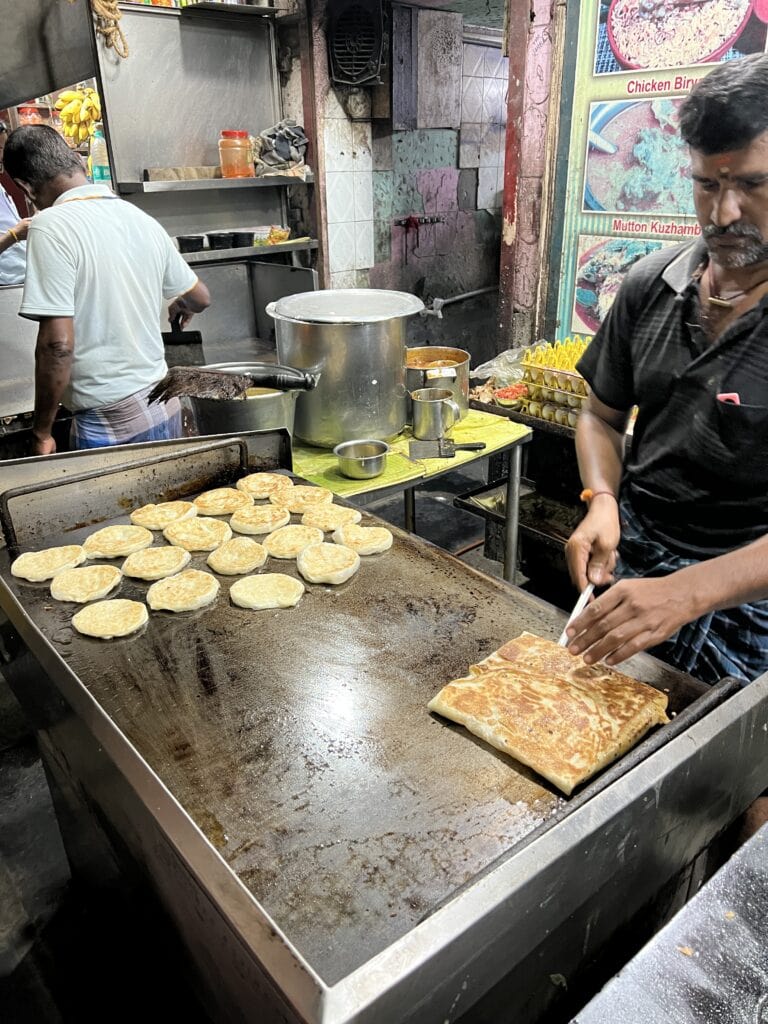
Drink water from reliable sources, be cautious with ice of uncertain origin, clean your hands regularly, and favor food freshly cooked and served hot. Street food is one of India’s pleasures; be selective rather than avoiding it entirely. Rehydration matters if you become ill. Seek medical care for bloody diarrhea, high fever, severe pain, dehydration, or persistent or worsening symptoms.
What Happens If You Need a Doctor in India?
I can answer this one from experience.
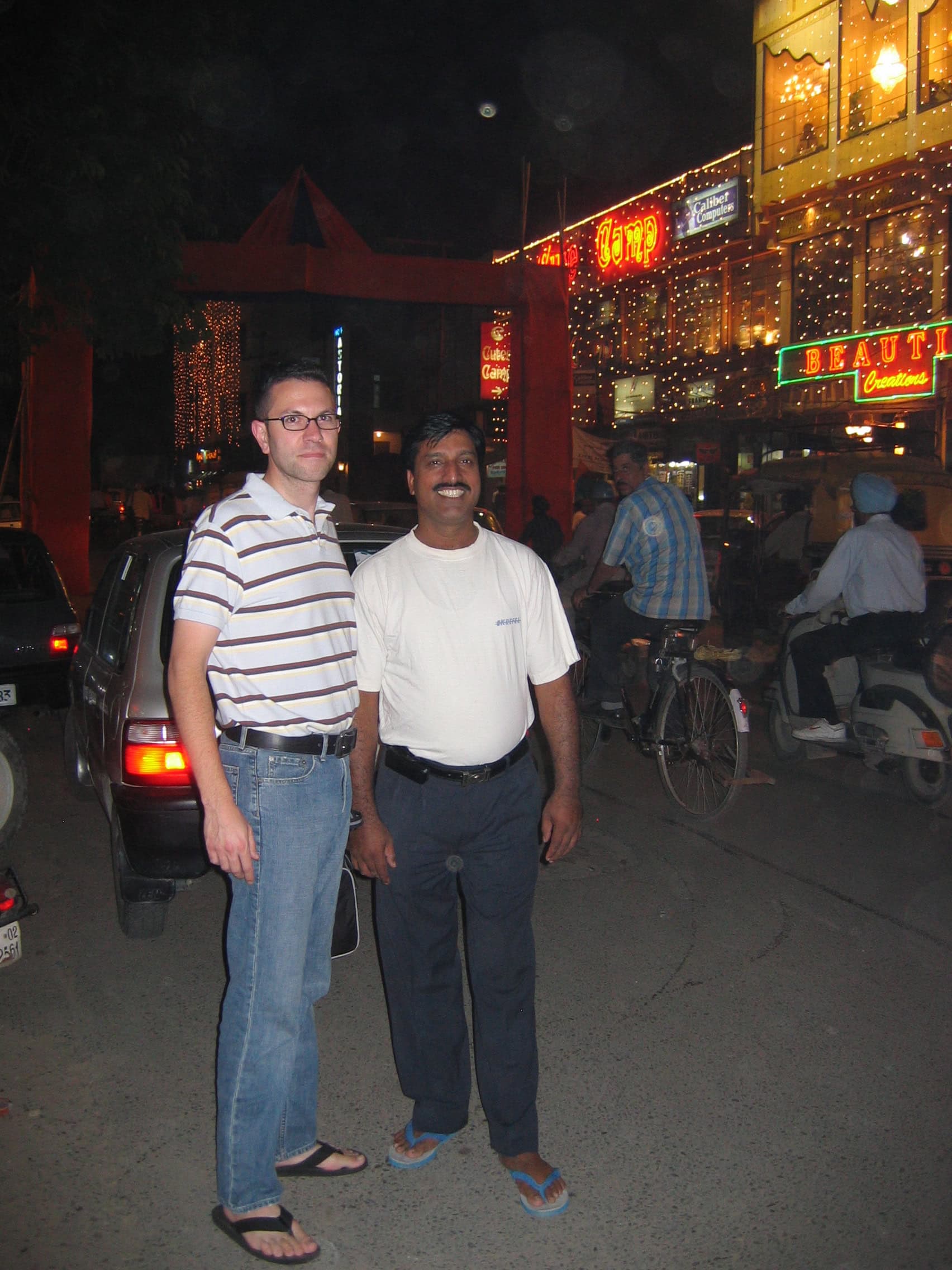
During a four-week trip in 2006, our cycle rickshaw picked up speed down a hill in Amritsar and collided with a stopped car. I was thrown onto the road and landed on my right hand. I initially tried to carry on. By the following day, after visiting the Golden Temple, it was clear I needed help.
Our travel insurer advertised worldwide medical assistance, but after two hours we still had no useful direction. The hotel owner recommended a local doctor—her cousin, as it happened. He examined my hand and arranged an X-ray nearby. A receptionist helped us find the hospital; our driver later collected the film, which showed no fracture.
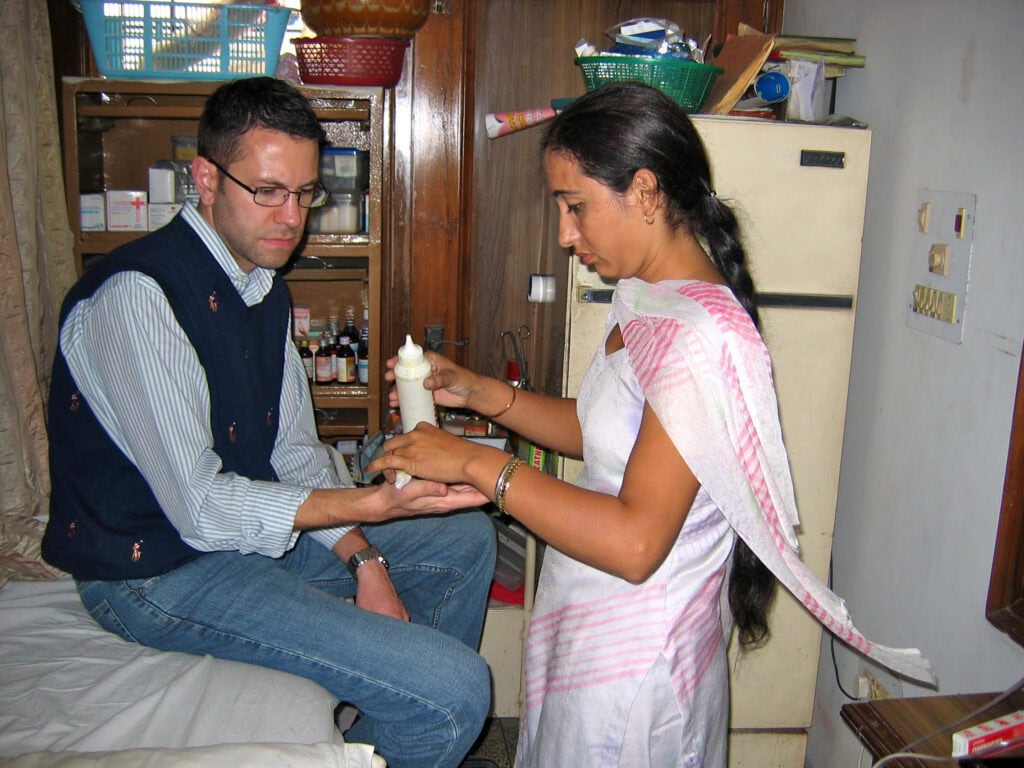
I received treatment for the abrasions and bruising, a tetanus shot, medication and bandages. The bill was 400 rupees, about $8.33 at the time. What I remember most isn’t the price. It’s how readily people stepped in to help when the service we’d paid for did not.
That doesn’t mean medical treatment in India is always inexpensive or equivalent across facilities. Costs and standards vary widely, especially between local clinics and major private hospitals. For serious illness or injury, seek appropriate hospital care promptly.
Travel Medical Insurance: Read Beyond the Headline
For more on this, see my travel insurance considerations for India.
My experience in Amritsar might seem like an argument against buying travel medical insurance. After all, my insurer never returned our call, and the entire medical bill came to less than the price of a modest dinner.
But I was fortunate. My injury was relatively minor, and I was able to continue traveling.
Had the accident resulted in a serious fracture, emergency surgery, or an extended hospital stay, the circumstances could have been very different. And if an illness or injury requires medical evacuation, the financial consequences can be substantial.
That’s the distinction I make today. I don’t purchase travel medical insurance because I’m worried about paying for a routine doctor’s visit. I purchase it to protect against the much larger expenses that could accompany a serious medical emergency.
My experience also taught me to look beyond the price and advertised coverage limits. I want to know who answers the emergency assistance line, whether the insurer can arrange direct payment to a hospital, what exclusions apply, and how medical evacuation is handled. I also check emergency treatment, hospitalization, pre-existing-condition terms, and exclusions for activities such as trekking, cycling, or high-altitude travel.
Travel insurance isn’t a guarantee that everything will go smoothly. It’s protection against circumstances that could otherwise become financially overwhelming. The right policy deserves more consideration than simply choosing the cheapest one.
Save policy details and emergency numbers offline. A hotel, local guide, or tour operator may be able to help identify care while you contact your insurer.
We’ll explore how to compare travel insurance policies for India in a separate guide.
If You Become Ill During or After Your Trip
A significant fever during travel or after returning from India warrants prompt medical assessment. Tell the clinician where and when you traveled; infections including malaria and dengue may need testing. Malaria can become serious rapidly, even after preventive medication. After a bite or scratch from a potentially rabid animal, wash thoroughly with soap and running water for about 15 minutes and seek urgent medical attention—do not wait for symptoms.
A Little Preparation Goes a Long Way
India is not a destination to fear. Get appropriate medical advice, pack essential prescriptions, protect yourself from mosquito bites, and choose insurance suited to your journey. The point of preparing for the unexpected isn’t to spend the trip worrying. It’s to be ready enough to pay attention to everything that does happen.
Official Health Resources
For current, destination-specific advice, see CDC Travelers’ Health: India, CDC Yellow Book: India, and the World Health Organization.
This guide offers general travel information, not individualized medical advice. Recommendations and entry requirements change. Consult a qualified travel medicine professional before departure.

 Bindi: What the Dot on the Forehead Means in India
 What Is a Geyser in India? How to Get Hot Water
 How Much Should You Tip in India? A Practical Guide