

Before you pay for another policy, understand what you stand to lose—and what you cannot afford to lose.
Travel insurance is one of those subjects where everyone seems to have a definitive opinion. Buy it without question, some say. Others insist it is an unnecessary expense. After more than twenty years of traveling to India, I think the more useful question is: what, exactly, are you trying to protect? If you’re still preparing for departure, my India predeparture checklist covers the other essentials.
I’ve purchased travel insurance for domestic trips, but I haven’t made a habit of buying comprehensive travel insurance for my international journeys. Instead, I’ve spent time understanding cancellation policies, refundable bookings and the financial risks I’m comfortable carrying myself. That approach has worked for me. It is not a guarantee that it will work for everyone—or that it covers every kind of emergency.
First, Separate Trip Cancellation From Medical Emergencies
A canceled hotel reservation and an emergency medical evacuation are not remotely the same financial problem. The first might cost a few hundred dollars; the second could cost tens of thousands or more. Treating both as reasons to purchase one all-purpose policy can obscure the actual decision.
For flights and accommodations, I often choose to self-insure: I accept certain risks, make bookings carefully and keep the flexibility to change plans. For medical treatment and evacuation, I encourage travelers to take a much closer look at their existing coverage and the potential costs of being far from home.
Why I Don’t Buy Refundable Airline Tickets
I am a United snob. I only fly United, and United has taken me to India many, many times. Sometimes I travel on MileagePlus rewards; more often, I buy my tickets with cash. I never buy refundable tickets.
When I cancel a qualifying MileagePlus award booking, my miles are redeposited and the applicable taxes and fees are refunded. When I cancel a qualifying nonrefundable cash ticket, I receive a future flight credit rather than a cash refund. I know I’ll fly United again, so that’s a trade-off I’m willing to make.
That doesn’t mean every ticket, itinerary or traveler will have the same options. Fare rules, credit expiration dates and exceptions matter, and policies can change. I always verify the conditions of the ticket I’m purchasing rather than assuming every cancellation is handled identically.
Airlines may also have obligations or compensation procedures for delayed, missing or lost baggage, depending on the carrier, route and applicable law. Before buying duplicate protection, check what your airline already provides—and what documentation you would need to make a claim.
Airbnb: Flexibility Is Part of My Booking Strategy
When I use Airbnb, I only book properties that allow cancellation close to the check-in date. It is a deliberate choice, not an afterthought.
I once booked an Airbnb in Varanasi for the wrong dates. Fortunately, that particular reservation allowed cancellation right up to check-in. I canceled without a charge or fee. It worked that time; not every listing offers that flexibility. I’ve also canceled Airbnb reservations on trips outside India without losing money because I chose the cancellation terms carefully from the outset.
That is what self-insuring looks like in practice for me. I do the work before I commit, so I have less money at risk if plans change. The trade-off may be a different property or a slightly higher nightly rate, but I prefer knowing what I can recover.
Why I Often Book Indian Hotels Through MakeMyTrip
When I book my own hotels in India, I frequently use MakeMyTrip. I’ve found that many listings offer free cancellation until shortly before arrival—sometimes even when booking with the hotel directly doesn’t offer comparable flexibility. That makes it another useful layer of self-insurance.

But generally is not always. Cancellation deadlines and penalties depend on the individual property, room type and rate. I read the terms on the exact booking before paying, and I save the confirmation.
What About Travel Agencies and Tour Operators?
If you’re working with a travel agency, particularly an experienced agency based in India, ask what assistance they’ll provide when transport or accommodation arrangements fall apart. In my experience, a good local operator will often work to rebook services or seek compensation when a provider causes a disruption.
That’s different from personally missing a flight or train, or canceling for your own reasons. An agency’s help is valuable, but it is not a substitute for an insurance policy, a contractual refund right or a guarantee of reimbursement. Ask about those distinctions before paying a deposit.
The Risk I Wouldn’t Treat So Casually: Medical Care and Evacuation
My approach to refundable reservations is not an argument for ignoring medical insurance. A serious illness, accident or emergency evacuation can dwarf the value of a canceled flight or hotel stay.
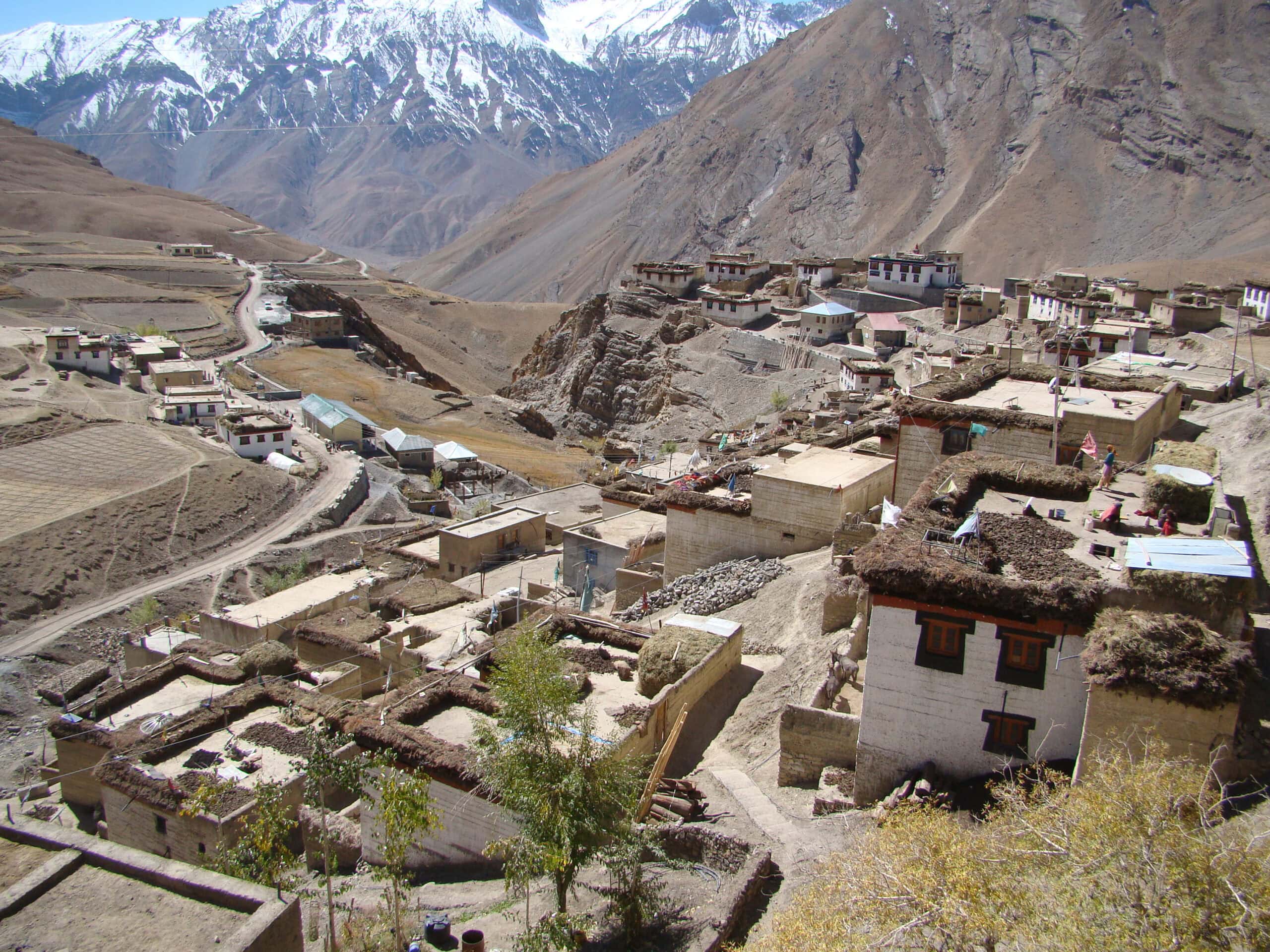
Consider the distance to appropriate medical care, especially if your itinerary includes Spiti Valley, Himalayan trekking, long road journeys or smaller towns. A policy’s headline medical limit tells only part of the story. Check whether it covers emergency hospitalization, medical evacuation, repatriation and the activities you actually plan to undertake. High-altitude travel and adventure activities may have exclusions or special conditions.
Also investigate how the assistance service operates. Can it help identify an appropriate hospital? Does it arrange or guarantee payment, or must you pay first and seek reimbursement? What approvals are required for an evacuation? Those details matter more than a reassuring advertisement.
Could You Already Have Some Coverage?
Before buying anything, check what you already own. Some health insurance policies provide limited emergency benefits abroad, while others exclude non-emergency treatment or offer no overseas coverage. Credit cards sometimes include trip-delay, baggage or rental-car protections when the trip is paid for with that card. Homeowners or renters insurance may provide limited coverage for personal belongings away from home. Auto policies generally should not be assumed to cover driving in India.
These possibilities are not exclusive to American travelers, but coverage varies enormously by country of residence, insurer, policy and circumstances. Travelers from the United Kingdom, Europe, Canada, Australia and elsewhere should check their own policies rather than assume a U.S. benefit applies to them. Ask the insurer directly and get important answers in writing.
Existing benefits can overlap with a travel policy, but they may also have deductibles, exclusions, low limits or requirements that make them unsuitable for the trip you are planning.
When I Think Buying Travel Insurance Makes Sense
I would look particularly closely at insurance for a trip with large nonrefundable deposits, expensive prepaid tours, complex connections, significant medical concerns, or activities far from established medical facilities. If a loss would seriously affect your finances, transferring that risk to a suitable insurer may be sensible.
Compare policies based on your country of residence and destination, not just the premium. Read the exclusions for pre-existing medical conditions, altitude, trekking, motorcycles, alcohol-related incidents, cancellation reasons and disruptions. Standard trip cancellation coverage is not the same as cancel-for-any-reason coverage, and neither means every reason for canceling is covered.
My Bottom Line
I don’t see travel insurance as a yes-or-no question. I see it as a series of decisions. For flights, Airbnbs and hotels, I often reduce my exposure by booking carefully and accepting a manageable amount of risk. That is my choice, informed by how often I travel and how I book.
But I would never suggest that a flexible hotel reservation solves the problem of a major medical emergency abroad. Before you leave for India, know what you’re covered for, know what you’re not, and decide which risks you’re genuinely prepared to carry yourself.
Disclosure: This article reflects my personal travel experiences and is general information, not insurance, legal or financial advice. Insurance terms, airline policies and booking conditions change and vary by traveler. Confirm details with the relevant provider before making decisions. There are currently no paid affiliate links in this article.

 Bindi: What the Dot on the Forehead Means in India
 What Is a Geyser in India? How to Get Hot Water
 How Much Should You Tip in India? A Practical Guide