

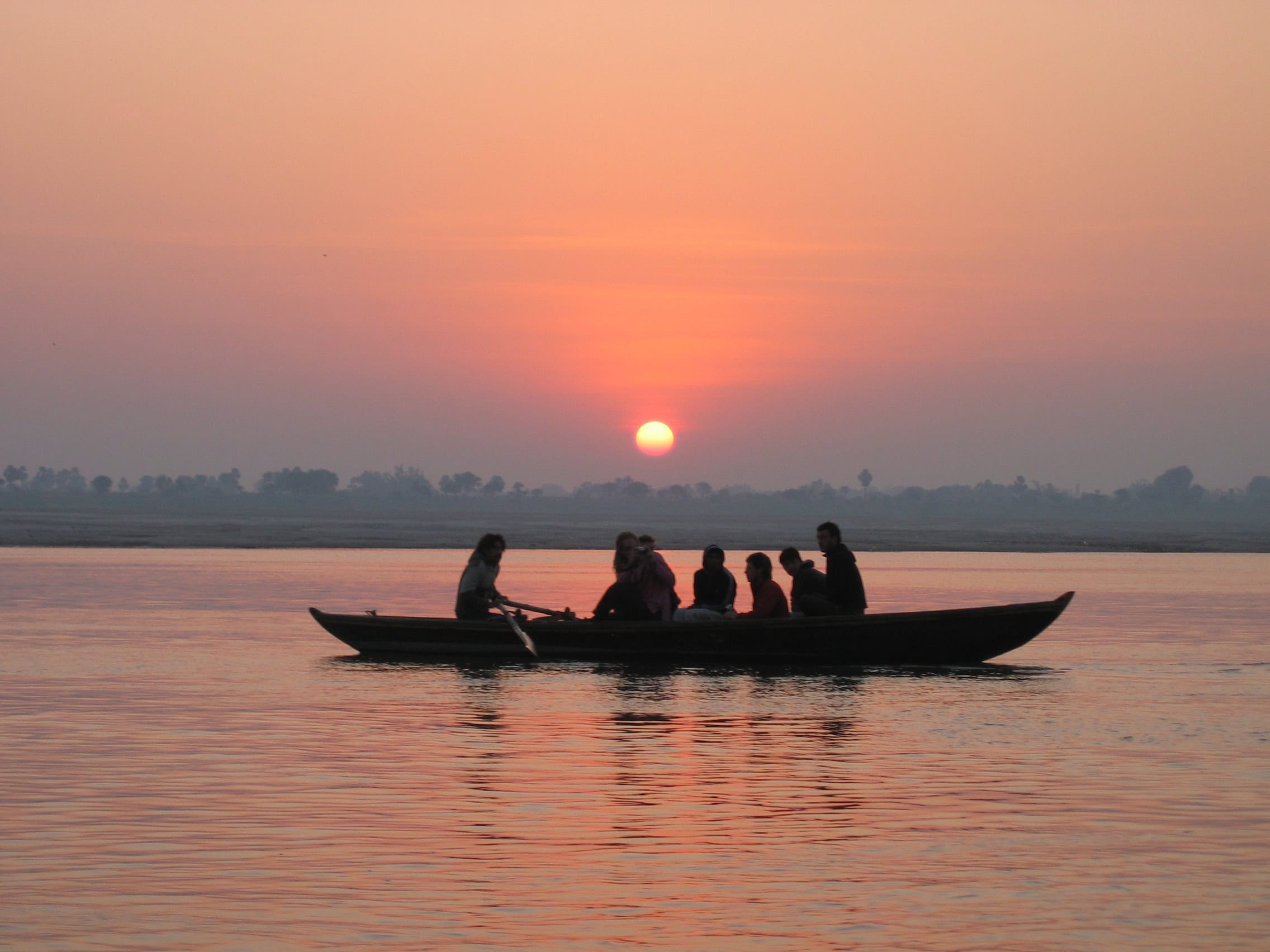
The tickets are booked. The itinerary is taking shape. Now for the little things that can make all the difference once you arrive.
There comes a moment before every trip to India when the planning turns into something much more immediate. The departure date is suddenly close. The suitcase is open on the bedroom floor. You’re checking your passport, wondering whether you’ve forgotten something important.
I’ve been traveling to India since 2005, and even after all these years, I still have a routine before leaving home. Some things have become second nature. Others have changed considerably since my first journey, when getting connected meant finding an internet café or one of the ubiquitous ISD/STD/PCO telephone stalls. To call home, I’d give the attendant the number and wait while they dialed it for me. An electronic display kept track of the length of the call, and when I hung up, the attendant used that time to calculate what I owed. It feels like another era now.
These days, preparing for India is easier in many respects. But a little homework still goes a long way. This is what I would check before leaving.
1. Passport, visa, and the documents that matter
You would think that after more than twenty years of international travel, checking the expiration dates on my passport and visa would be second nature.
Apparently not.
Before my most recent trip to India, scheduled for October, I realized my passport was due to expire that July. Worse, my multi-year Indian visa was also approaching its expiration date. Here I was, someone who has traveled to India countless times, having overlooked two of the most basic requirements for getting there.
Fortunately, I caught both in time. But rather than handling the renewals leisurely, I found myself scrambling to get everything in order.
I now have a fresh five-year Indian e-Visa. Except it’s not particularly fresh anymore. One of those five years has already passed.
Time flies when you’re having fun. Apparently, so do visa expiration dates.
My advice? Check both documents well before departure. For many travelers, India requires a passport with at least six months of validity remaining at arrival, along with sufficient blank pages. Visa options vary by nationality, but eligible visitors may qualify for 30-day, one-year, or five-year tourist e-Visas.
And if you’re holding a multi-year visa, don’t assume it’s still valid simply because it feels like you applied for it yesterday.
For more on choosing the right visa, applying online, and understanding India’s entry requirements, read my earlier guide, India Visa & Entry Requirements: What to Know Before You Go.
I keep digital copies of my passport and visa on my phone, along with backups accessible separately. I also carry printed copies of essential travel documents. It’s a simple bit of preparation, and one I should have paid closer attention to myself.
2. Money: A little redundancy goes a long way
India has changed dramatically since my earliest trips. Digital payments are everywhere, particularly in cities, but that doesn’t mean every international visitor can use every payment system.
I travel with more than one means of accessing money. A primary credit card, a backup card, and a debit card for ATM withdrawals are a sensible combination. Keep them in separate places rather than carrying everything together.
And then there’s my decidedly unsophisticated system for managing Indian currency: a Ziploc bag.
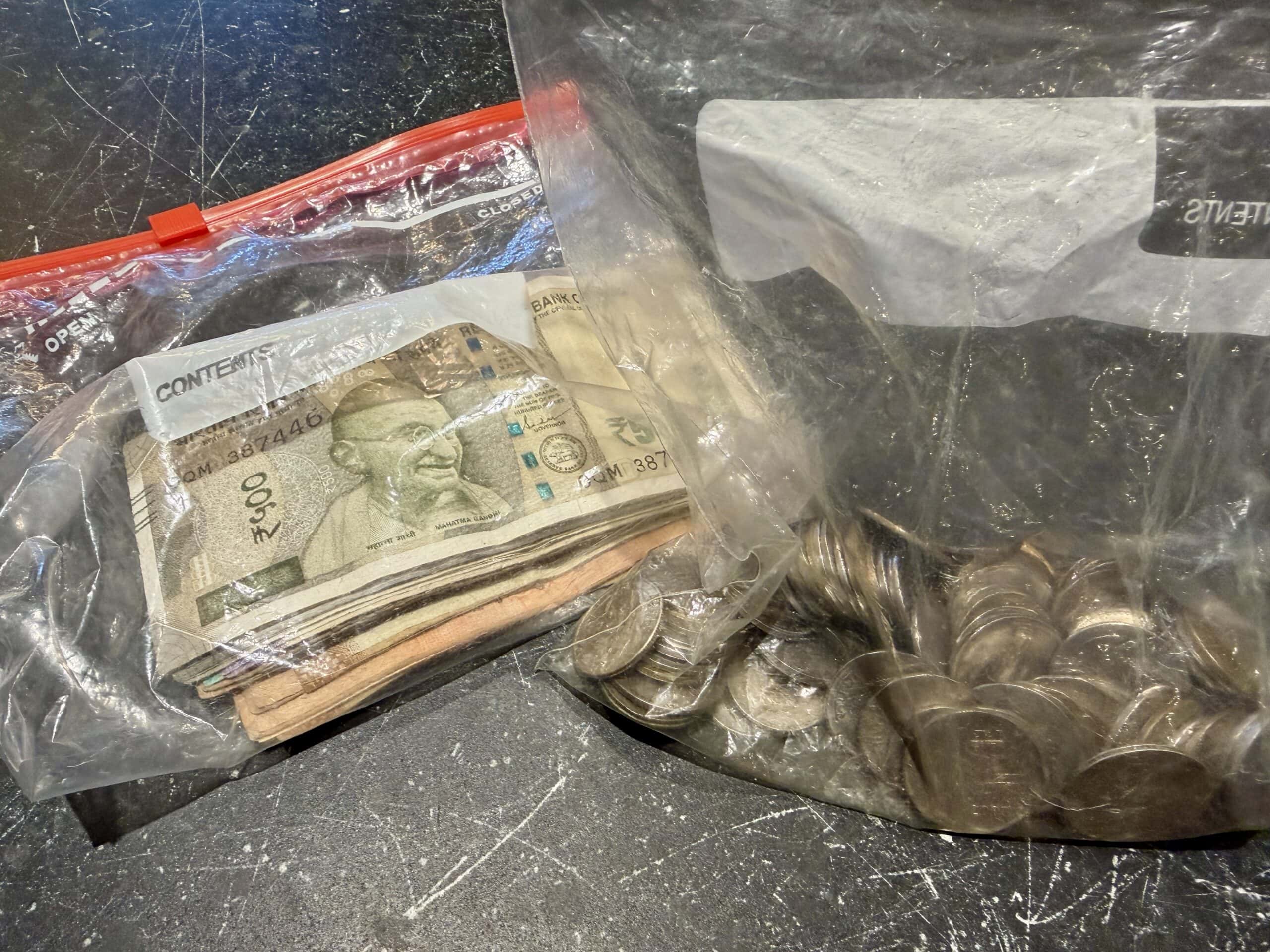
I’ve always traveled with my rupees in one. I couldn’t tell you when or why I started, but it works. It keeps my Indian currency separate from the occasional American dollars floating around in my bag, and it’s an easy place to toss loose coins at the end of the day.
Those coins accumulate surprisingly quickly over a few weeks of traveling. And they’re useful for the little things: a bottle of water, a public toilet that charges a small fee, or an inexpensive purchase where having the exact change makes life easier.
It’s hardly an elegant travel accessory, but after all these years, I see no reason to change it.
Before leaving home, check your bank’s international transaction fees and ATM withdrawal limits. And don’t rely exclusively on cards or digital payments. Having some cash on hand remains useful, especially outside major cities.
For more on ATM withdrawals, credit cards, currency exchange and payment options, read Money, ATMs & Credit Cards in India: What Travelers Need to Know.
3. Your phone: Get connected before you need directions
A reliable mobile connection makes independent travel in India considerably easier. Think about how you’ll get mobile data before you depart. Depending on your phone and provider, an international roaming plan, travel eSIM, or Indian mobile connection may be appropriate.
I’ve used Airtel in India, and the process of obtaining local service has changed substantially over the years. What once involved replacing a physical SIM can now involve eSIM activation, although identification and local verification requirements still matter.
But what if you don’t want to purchase an Indian data plan?
At the very least, contact your mobile carrier before leaving home and ask about adding an international travel pass to your existing account. Many carriers offer daily or trip-based roaming packages that make the cost of using your phone abroad more predictable, often with a set daily charge or allowance. Just be sure you understand what’s included, how the pass is activated, and whether additional charges can apply.
The last thing you want is to return home from an extraordinary trip to India only to discover an equally extraordinary mobile phone bill waiting for you. International roaming charges can accumulate quickly when you haven’t made arrangements in advance.
Before flying, download offline maps, save your first hotel’s address, and keep your airport transfer contact somewhere easy to find. You don’t want to be standing outside Delhi airport after a long flight trying to remember where you saved your driver’s telephone number.
For more on SIM cards, eSIMs and keeping your home number accessible, read Phones, eSIMs & Staying Connected in India.
4. Health, medication, and insurance
Schedule any necessary travel-health appointment early enough to address recommended vaccinations, prescriptions, and individual medical concerns.
One thing worth knowing is that many common medications are readily available in India. Over the years, I’ve purchased pain relievers, cold medicines, remedies for diarrhea (not the most glamorous subject, but certainly a practical one), and mosquito repellent.
Pharmacies, often called chemists, can be found throughout India, including in surprisingly small towns and villages. You may not recognize the brands on the shelves, but many familiar types of medication are available under different names. When buying something unfamiliar, check the active ingredients and dosage rather than assuming it’s equivalent to what you use at home. Ask a qualified pharmacist or clinician if you’re unsure.
Prescription medications are another matter entirely. If you depend on a particular medication, don’t assume you’ll be able to find it once you arrive. Bring enough for your entire journey, plus a reasonable reserve in case of flight delays or unexpected changes to your itinerary. Keep essential medications in your carry-on luggage, preferably in their original labeled packaging, and check any applicable restrictions before departure.
India is remarkably resourceful when it comes to finding everyday necessities, but your health isn’t something I’d leave to chance.
Travel insurance deserves a separate decision. Rather than treating it as an automatic purchase, I think it’s important to understand the actual financial risks involved, particularly emergency medical care, evacuation, and interruptions to a trip.
Your existing health insurance, credit cards, and airline or hotel booking terms may provide some protection, but they won’t necessarily cover the same situations as a dedicated travel insurance policy. My advice is to understand what you’re covered for, what you’re not, and what you would be willing to pay yourself.
For a closer look, read Travel Insurance for India: What to Consider Before You Go.
5. Pack for the India you’re actually visiting
There is no single Indian climate, and no universal India packing list. Delhi in January is a different proposition from Kerala in January. A few weeks in Rajasthan will call for different clothing than trekking in the Himalayas or traveling through the Western Ghats during the monsoon.
Check the weather for each destination, not simply for India as a whole.
I prefer comfortable, versatile clothing that can be worn more than once and doesn’t demand much attention. Shoes should already be broken in. A lightweight layer is useful for air-conditioned trains, aircraft, and unexpected changes in temperature.
Be thoughtful about what you wear when visiting religious sites. Covering shoulders or legs and removing shoes may be expected, depending on the place.
And resist the temptation to pack for every imaginable scenario. India has shops. You can buy things there.
6. Your first 24 hours deserve special attention
For first-time travelers, I consider the first day in India one of the most important parts of the itinerary.
After a long international flight, you may be tired, hungry, disoriented, and arriving at an hour when you’d normally be asleep. This is not the moment to start figuring out how to get to your hotel.
If you’re traveling independently, I recommend arranging your airport transfer before leaving home. I’ve had good experiences using Transferoo to book private cars from the airport to my hotel. Drivers typically meet arriving passengers outside the terminal in a designated waiting area, and the service provides a generous pickup window. Include your flight information when booking so the driver can track your arrival and account for delays. Check the specific terms of your transfer.
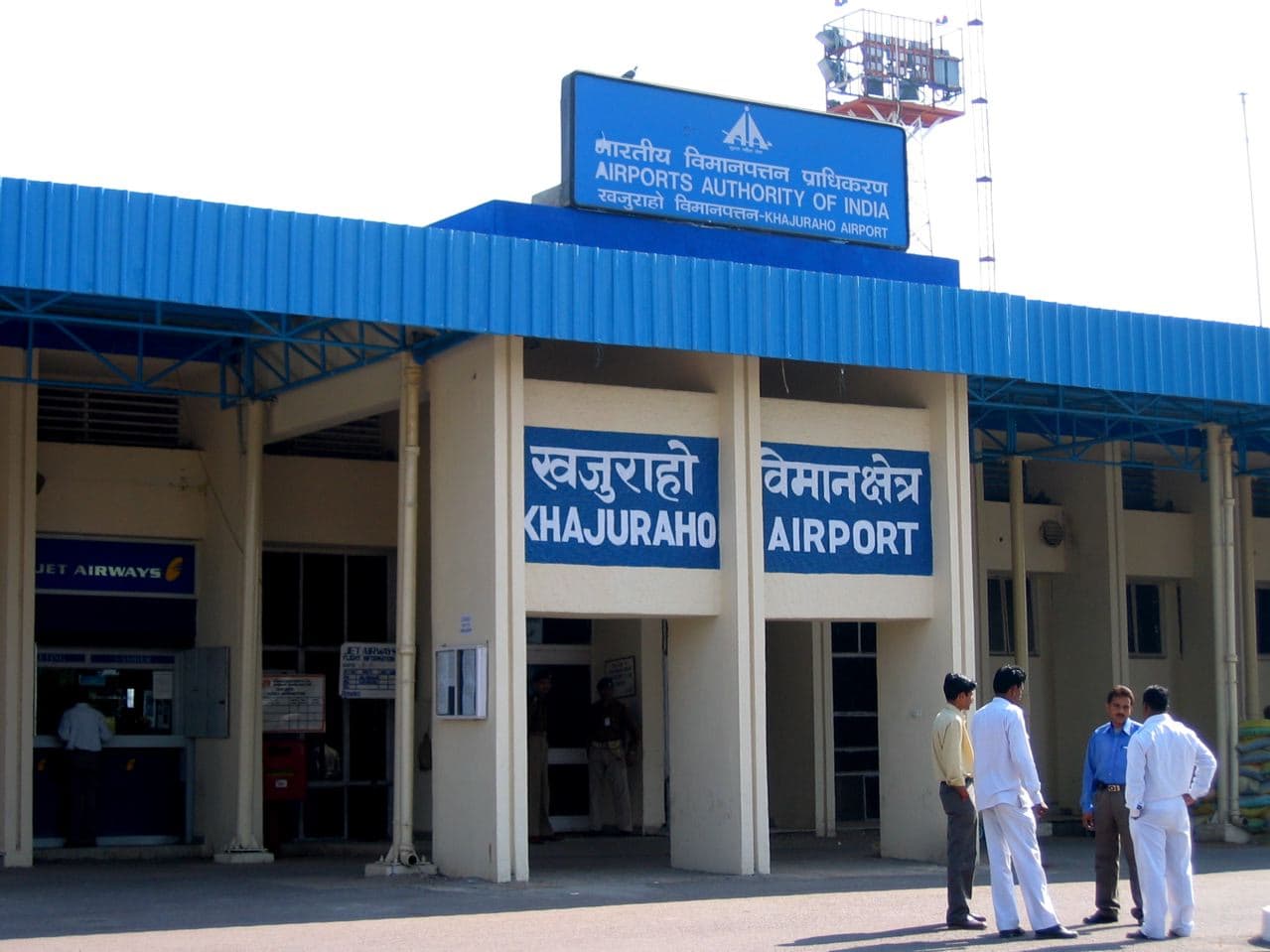
This is also another reason to have a plan for mobile data as soon as you land. Being able to communicate with your driver, check a meeting location, or pull up your reservation can make those first moments considerably easier.
And here’s one detail I cannot emphasize enough: Confirm the exact address of your hotel.
India has thousands of hotels with remarkably similar names. Hotel Raj, Hotel Taj, Sharma Inn, Royal Hotel—you’ll encounter variations of these names in cities throughout the country. I’m not exaggerating, and I’m certainly not making fun of the names. It’s simply the reality of traveling in a country with an enormous hospitality industry.
Never assume that giving your driver the hotel’s name is enough. Confirm the full street address, neighborhood, and city before leaving the airport. Ideally, have the hotel pinned on your phone’s map as well.
The last thing you want after an overnight flight is to discover that you’ve been delivered to the wrong Hotel Raj on the opposite side of Delhi.
Keep your first day relatively light. Give yourself time to check in, eat something, rest, and become acquainted with your surroundings. India will still be there tomorrow.
7. A few practical things before leaving home
These are the small tasks that rarely make it into glossy travel guides but can make a real difference.
- Check airline baggage allowances, especially if you have domestic flights within India.
- Download your airline’s app. It’s one of the easiest ways to keep track of flights, boarding passes, gate changes, and other travel updates without digging through emails.
- Photograph or otherwise record your checked luggage and keep your baggage claim receipts.
- Download tickets, reservations, and important contacts for offline access.
- Pack a portable phone battery. I usually charge my phone in my driver’s car during long journeys, but occasionally we’re both competing for the same power outlet. Having a backup means I can keep my phone charged without negotiating whose turn it is to plug in. Power banks generally belong in carry-on baggage, not checked luggage; check airline capacity restrictions.
- Arrange international access to your banking and authentication apps.
- Check plug compatibility and voltage requirements for your devices.
- Share your itinerary and emergency contact information with someone at home.
- Consider registering your journey with your government’s traveler information or embassy notification service, where available.
- Review current travel advisories and local restrictions for the regions you’ll visit.
- Take care of prescriptions, bills, mail, pets, and whatever else needs attention at home.
I like to finish these tasks before the final evening. Packing is enough of a project without trying to solve a banking problem at midnight.
8. Prepare your curiosity, too
One thing I’ve learned over two decades of traveling to India is that preparation isn’t only about paperwork and luggage.
Read a little about the places you’re going. Learn a few words of Hindi or the language spoken in the region you’re visiting. Understand something about local customs, festivals, and religious traditions.
English is widely spoken in India, especially in the places travelers commonly visit. But you’ll be amazed at how people light up when you try even a few words or phrases in Hindi or the local language. You don’t need to speak perfectly. The effort alone can turn an ordinary exchange into a warm, memorable encounter.
I’ve continued studying Hindi for years, and some of my most memorable exchanges in India have begun with an imperfect sentence and a patient smile.
And what about all those Instagram posts you’ve been saving?
If you’re anything like most travelers, you’ve probably accumulated screenshots, saved reels, and photographs of places you’d love to visit. A beautiful stepwell, an interesting restaurant, a market tucked away somewhere, or a spectacular viewpoint that caught your attention months ago.
Before leaving home, take a little time to organize those discoveries in one place. Create folders on your phone, perhaps labeled by city or region, so you can easily find them when you need them.
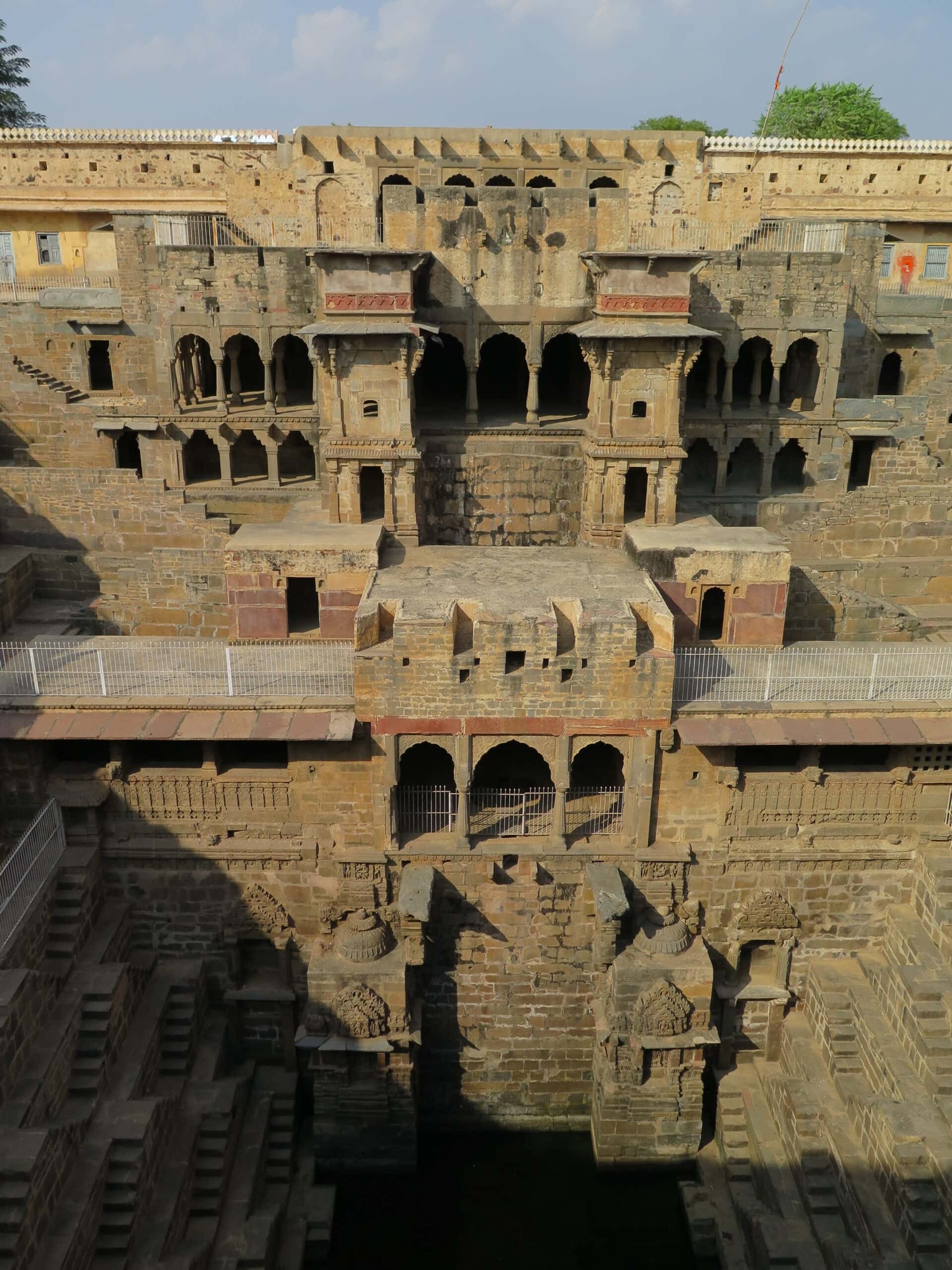
This becomes especially useful when traveling with a private driver or group leader. Rather than trying to describe something you vaguely remember seeing online, you can pull up the photograph and ask, “Is this anywhere near our route?” or “Could we find time to stop here?”
Sometimes the answer will be no. But sometimes that little discovery is only a short detour away, and it becomes one of the unexpected highlights of your trip.
Just remember that Instagram doesn’t always tell the whole story. Locations can be mislabeled, distances misleading, and some places look rather different outside the carefully chosen camera angle. Still, those saved discoveries are worth bringing along.
One last recommendation: Give me 46 minutes
And one last recommendation, which I cannot stress enough: set aside 46 minutes of your life for a podcast.
I’m talking about Passport to Everywhere with Melissa Biggs Bradley, specifically the May 18, 2023 episode, “Know Before You Go: India,” featuring travel writer Fiona Caulfield.
It’s a wonderfully recorded conversation and one I wholeheartedly recommend listening to before your departure. Whether you’re preparing for your very first visit or returning to a country you already love, it’s a marvelous way to begin immersing yourself in the experience.
If you weren’t already excited about going to India, I suspect those 46 minutes will change that.
Listen while packing, taking a walk, or sitting with your morning coffee. Consider it a little advance invitation to the journey ahead.
Podcast · 46 minutes
Know Before You Go: India
Melissa Biggs Bradley with Fiona Caulfield · May 18, 2023
One last thought before departure
I still get excited before a trip to India. There are familiar places I look forward to seeing again, people I hope to reconnect with, and invariably something new that I haven’t anticipated.
Preparation gives me the freedom to enjoy those moments without worrying about the things I could have taken care of at home.
Get the important details right. Leave a little room in your suitcase. And don’t try to plan every minute.
The best parts of India have a habit of being the ones you never saw coming.
Travel requirements, visa rules, medical guidance, and insurance coverage vary by nationality, personal circumstances, and date of travel. Confirm current requirements with official government sources and qualified providers before departure.

 Bindi: What the Dot on the Forehead Means in India
 What Is a Geyser in India? How to Get Hot Water
 How Much Should You Tip in India? A Practical Guide