

When I returned home from my first trip to India in 2005, I had two telephone numbers for Rakesh, the driver I’d spent several weeks traveling with.
One was for when he was working in Delhi. The other was for when he was home in his village in Himachal Pradesh.
The problem was that I never knew where he was.
I’d call one number, then try the other. Sometimes he answered. Sometimes he didn’t. There was no voicemail, and international calls weren’t particularly cheap.
I eventually discovered PennyTalk, an international calling-card service that, if memory serves, charged around ten cents a minute to India.
It became my preferred way of calling Rakesh.
Today, I could simply send a WhatsApp message and wait for a reply. Back then, staying in touch required a little more persistence.
WhatsApp: The Easiest Way to Stay Connected
For more practical planning, see my phones and eSIMs guide for India.
I prefer WhatsApp for keeping in touch with people in India. Practically everybody uses it, from drivers and tour guides to hotel staff and friends I’ve made along the way.
What I particularly like is that WhatsApp stays connected to my regular American telephone number. Even when I’m traveling with an Indian SIM or eSIM and have a different local number, my WhatsApp account stays the same. No changing numbers or updating contacts.
It’s so easy. And a considerable improvement over calling two different telephone numbers and hoping Rakesh answered one of them.
A Friendship That Continued
I returned to India in 2006 and spent another four weeks traveling with Rakesh.
I’d already met his wife, Shikha, and their three children, Ritu, Shobit, and Shagun, during my first trip in 2005, when they were living in Delhi.
But 2006 was the first time I visited his village in Himachal Pradesh. We worked together to make that visit happen. I met his parents and brother and spent time at the family home.
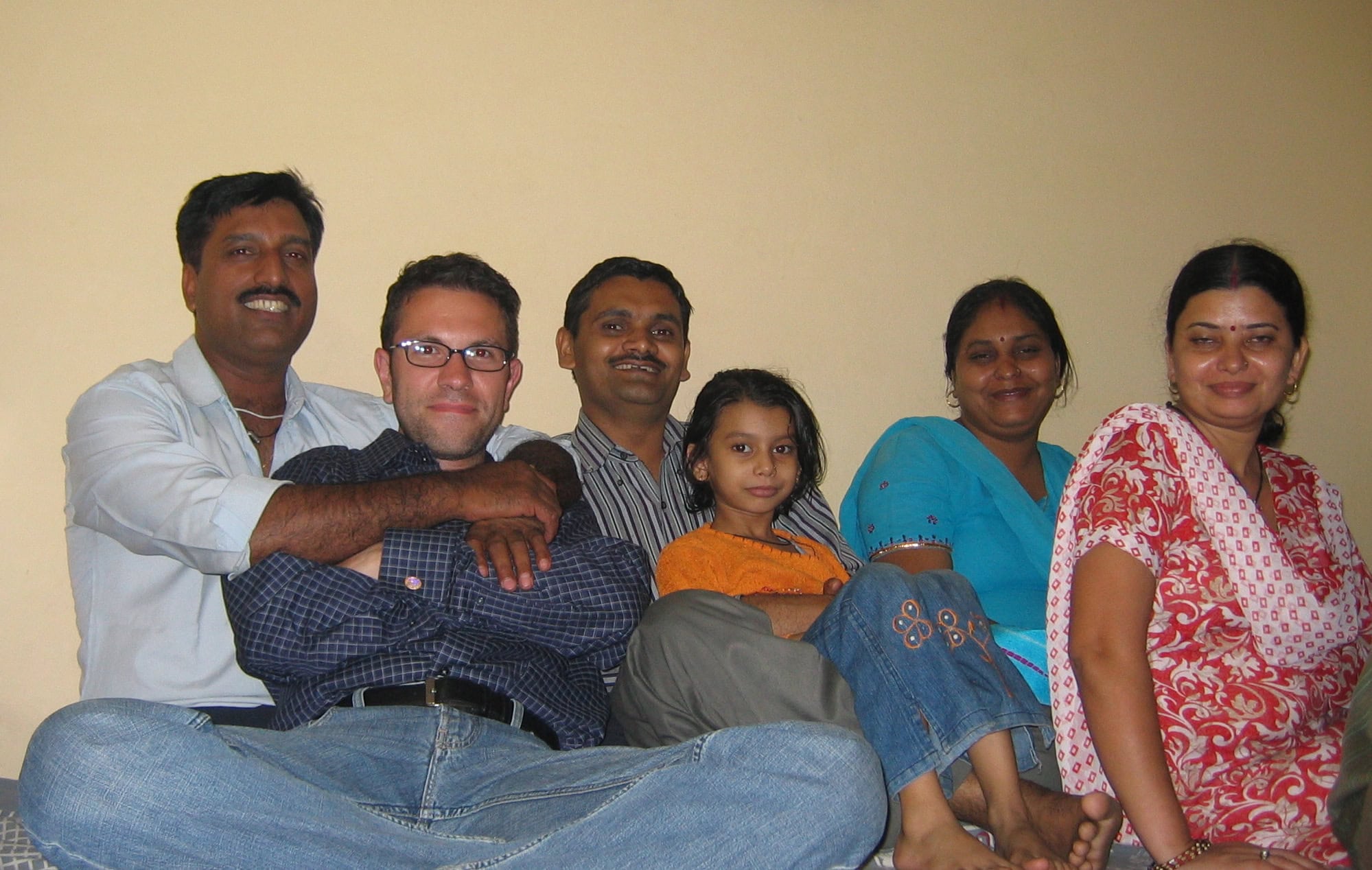
Then I returned to the United States, and we resumed our occasional telephone calls.
Somewhere along the way, email entered the picture.
Rakesh wasn’t much for writing.
I’d send him a message about returning to India, and he’d reply with something like, “Yes, we can meet on tour again.”
That was usually it.
I returned to India again roughly two years later, and we continued seeing each other over the years.
In 2012, I visited his village again, stayed with him, and met his sister. I returned in 2013 and stayed with him once more.
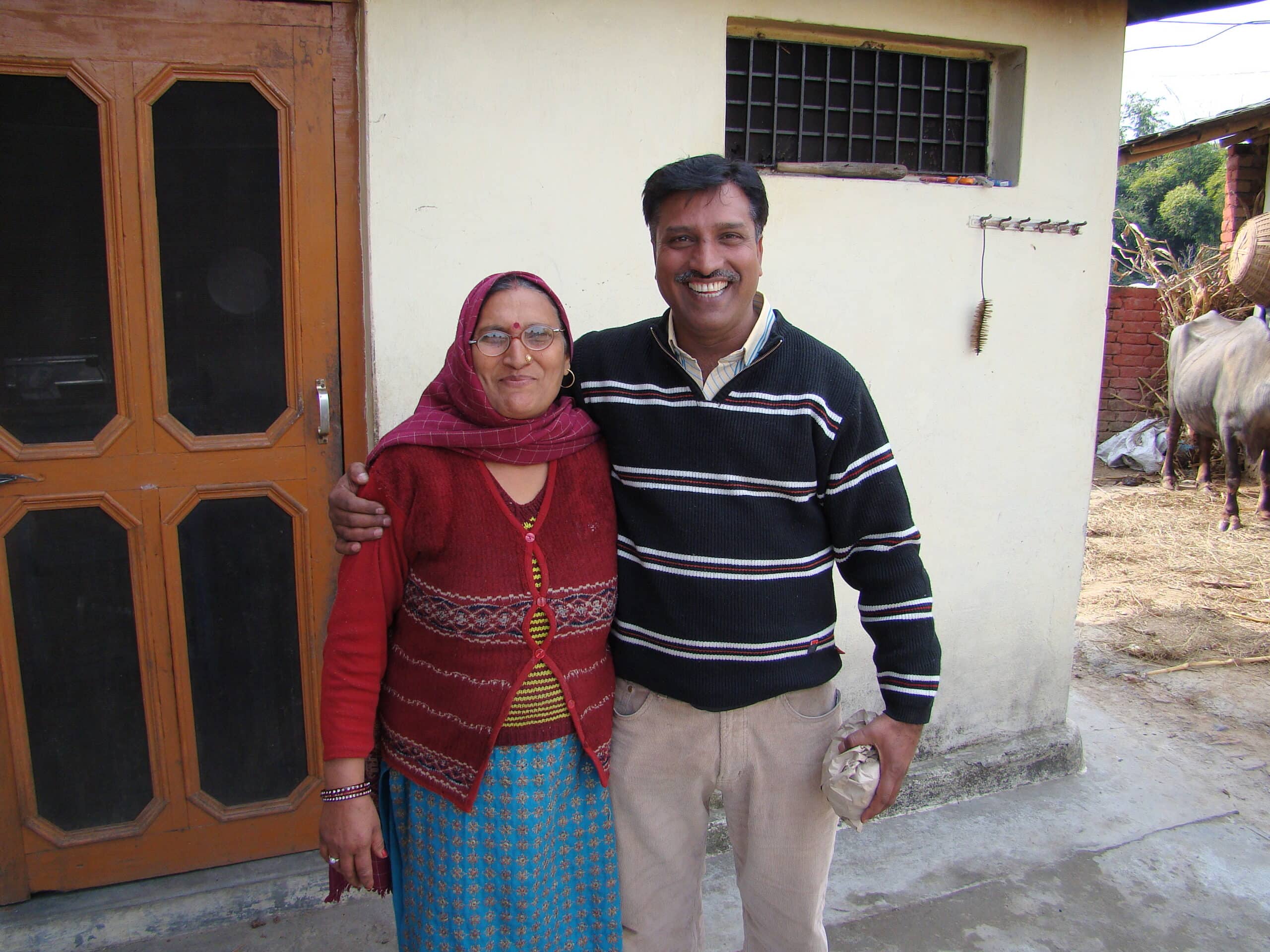
By then, I’d come to know much of his family, his neighbors, and his best friend, who was also named Rakesh.
What began as a driver arrangement in 2005 had become a friendship that extended well beyond our travels together.
Instagram, Facebook, and Other Ways to Connect
Not every person you meet while traveling needs to have your telephone number. Sometimes social media is a more natural way to maintain contact.
Instagram is one of my favorites. Apart from being an easy way to exchange contact information, I find it particularly useful for remembering who someone is. Their photographs and posts provide an immediate reminder of the person and where we might have met.
It’s also a much more interesting way to see what they’re doing today. Through their photographs, stories, and reels, I can get a glimpse of their everyday lives without having to initiate a conversation every time.
Facebook serves much the same purpose. Some people are more active there than on Instagram, so it really depends on which platform they prefer.
LinkedIn makes sense for professional connections. If you meet a hotelier, tour operator, designer, or someone working in an industry that interests you, it’s often a more appropriate place to stay connected.
And email still works perfectly well, especially for people who aren’t active on social media or prefer occasional correspondence.
One small habit I’ve developed is adding a little context when saving someone’s contact information. Rather than just a name, I might save someone as “Ajit — Ajmer Driver” or “Jai — Tour Guide Agra.”
It’s a simple thing, but months or years later, when I’m planning another trip, I know exactly who I’m looking for.
Connect on WhatsApp or Instagram while you’re still together, so you know you have the right person. And if you take a photograph together, send it to them. It’s an easy way to begin the conversation — or to reconnect years later.
When Communication Matters Most
Around 2020, Rakesh and I finally began using WhatsApp.
After fifteen years of telephone calls and brief emails, we could send messages, share photographs, and speak over video.
Unfortunately, 2020 was also an extraordinarily difficult year for him.
His wife, Shikha, and daughter, Ritu, both died that year, approximately six months apart.
Rakesh and I had some very difficult conversations during that period. With COVID restricting international travel, I couldn’t easily get on a plane to see him. We could communicate more easily than ever before, but I couldn’t be there in person.
That was frustrating and upsetting.
Not Everyone Will Stay in Touch
Over the years, I’ve met many people in India. Some have remained part of my life, while others have gradually disappeared from it.
I still keep in touch with both my North Indian and South Indian travel agents. They’re people I’ve worked with over the years, and our conversations aren’t always about arranging another trip.
In Mumbai in 2024, I met a fantastically talented artist. We still exchange occasional well wishes over WhatsApp.
Other connections haven’t lasted. And I don’t take that personally.
Life in India can be very different from life in the United States. Family obligations, work schedules, travel, and countless other demands can make regular communication difficult.
Someone who was friendly and welcoming when you met may not have the time or inclination to maintain an ongoing conversation once you’ve returned home. That doesn’t diminish the experience you shared.
I think the best approach is to make the effort when a connection matters to you, but not expect every person you meet to become a lifelong correspondent.
Rakesh wasn’t particularly communicative himself. His emails were famously brief, and sometimes months passed between conversations.
But we kept in touch, and whenever I returned to India, we found time to see each other.
Our Last Conversation
The last time Rakesh and I exchanged messages was Christmas 2023. We wished each other a Merry Christmas, as we had done so many times before.
In January 2024, I contacted him about my upcoming trip to India. I would be in Delhi in March and hoped we could arrange to see each other.
My WhatsApp messages showed they had been read, but he didn’t respond. That was unusual, even for Rakesh.
When I arrived in India in March, I still hoped he might message me at the last minute. If he did, I would make every effort to see him. But I never heard from him.
It wasn’t until April, after I’d returned home, that his son contacted me with the news.
Rakesh had died of a heart attack during the night in January.
All that time I’d been in India, hoping we might still get together, he was already gone.
We’d known each other for nearly twenty years.
A Friendship Worth the Effort
When I met Rakesh in 2005, I had a gut feeling that this was someone I wanted to keep in my life.
I made a conscious effort to stay in touch, even when that meant guessing which telephone number might reach him and paying for international calls. And he made the effort to see me whenever I returned.
Looking back, I realize just how much of what I know about India came from Rakesh. The places we visited, the people I met, the things I experienced — so much of it happened because of him. He introduced me to an India I never would have discovered on my own.
Our visits to his village were something we planned together. Over time, I came to know his family, his friends, and his neighbors. These weren’t experiences I could have booked through a travel agency.
The people you meet while traveling can become as important as the places you visit.
I don’t expect every person I meet while traveling to become a close friend. But I’ve learned not to dismiss the possibility, either.
Today, staying connected is easier than ever. Whether it’s WhatsApp, Instagram, Facebook, or a simple email, there are plenty of ways to maintain a connection after a trip.
Not everyone will respond. Not every friendship will continue.
But some will.
And that’s one of the reasons I travel. To expand my horizons, meet interesting people, and perhaps add a few more names to my WhatsApp contact list. 🙂

 Planning Your Return: India Is Never Quite the Same Twice
 Bringing India Home: The Things We Carry Back
 10 Annoying Things About India and Indians