

What twenty years of going back to India have taught me.
We hadn’t even left India before we started planning our return.
It was 2005, and my traveling companion and I had just spent three extraordinary weeks exploring a country that had completely captivated us. We’d seen the Taj Mahal, wandered through Rajasthan’s magnificent forts and palaces, and witnessed the evening Aarti ceremony on the banks of the Ganges in Varanasi.
The louder India became, the more fascinated I was. The brighter the colors, the stronger the flavors, the more I wanted to experience.
And then there was Rakesh.
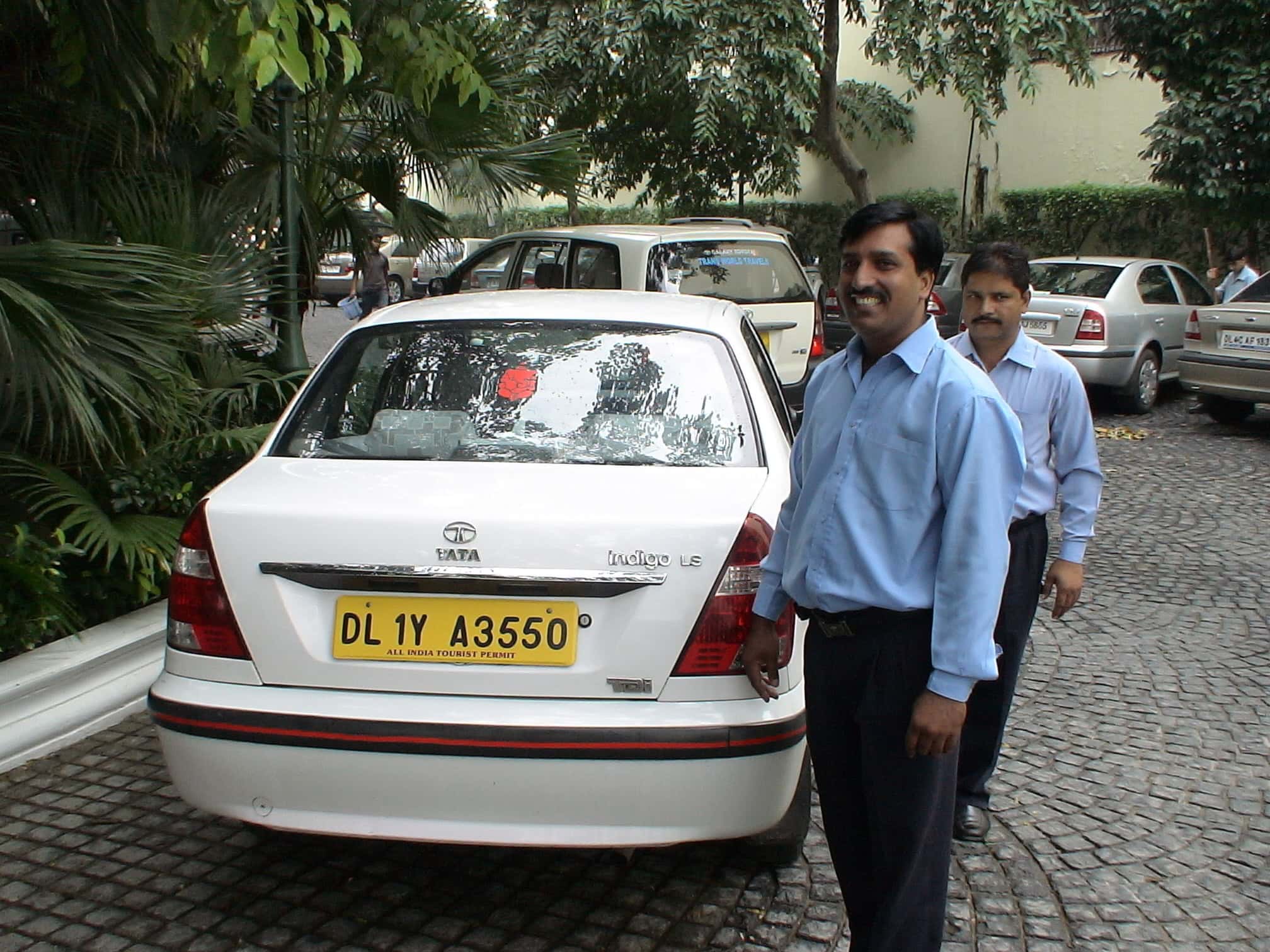
Our driver had become much more than the man behind the wheel. He was a seemingly endless source of information, explaining everything from local customs to the peculiarities of Indian daily life. Over those three weeks, we’d become friends.
At the airport, saying goodbye was genuinely difficult.
During our travels, we’d learned about his ambition to own a car and eventually build a small transportation business of his own. Before leaving, we handed him an envelope containing the money he’d told us he needed to purchase his first vehicle, a Tata Indigo.
We’d known him for three weeks.
Some people might have questioned that decision. We believed in him.
By the time our flight home was underway, we were already discussing where we’d go next. Within a week or two, we were back in touch with Rakesh, dreaming up another itinerary.
India had gotten under my skin. Three weeks hadn’t been nearly enough.
A Different India
For our second journey, we made one decision immediately: no repeat destinations.
Delhi would remain our arrival and departure point, but otherwise we wanted to see an entirely different part of the country. There was no temptation to return to the Taj Mahal, extraordinary as it had been. In fact, I wouldn’t see it again until my fourth or fifth trip.
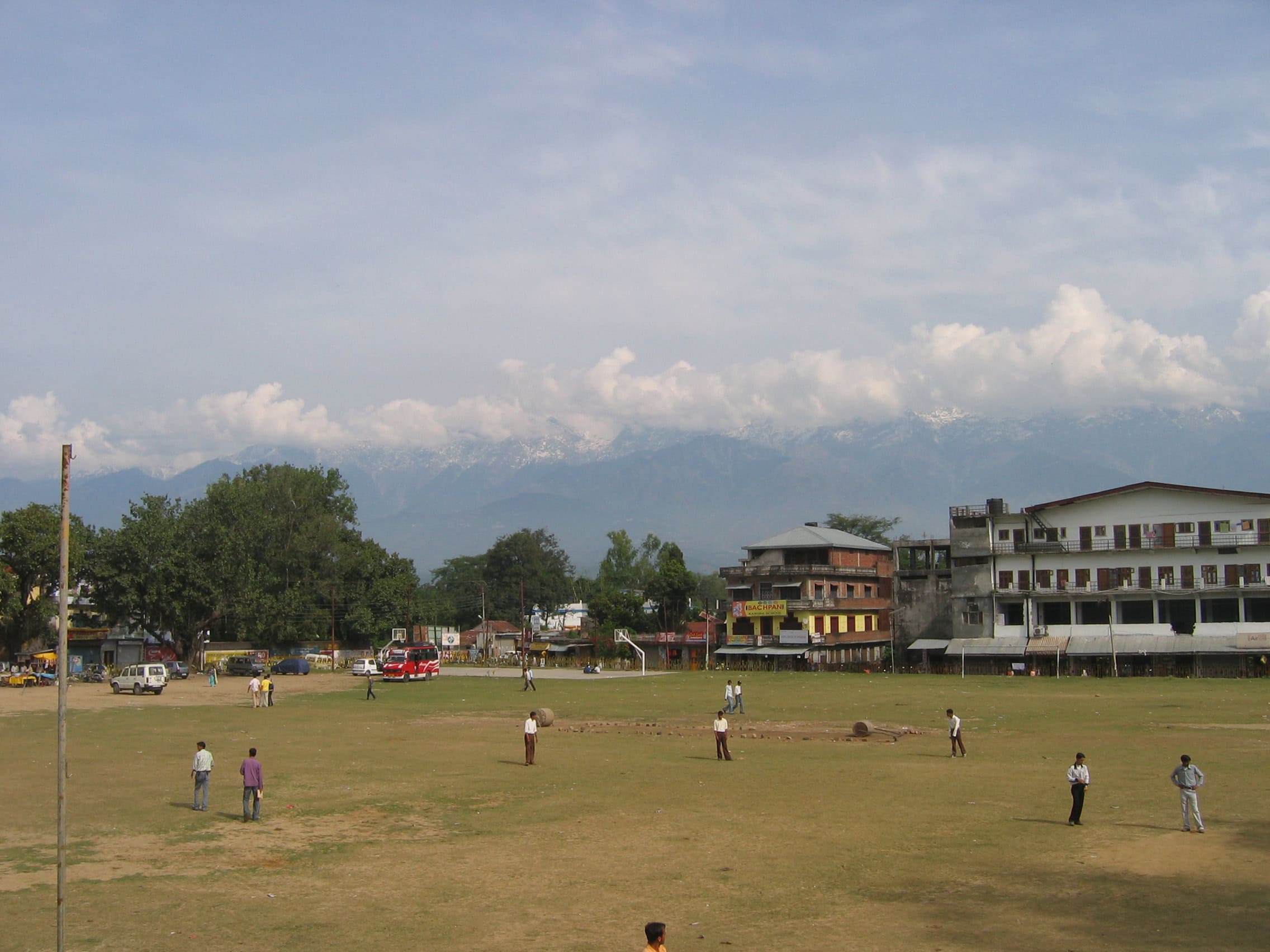
This time, we headed toward the mountains.
On our first visit, we’d seen the Aravalli Hills. Beautiful, certainly. But nothing prepared me for the Himalayas.
Their scale was almost impossible to comprehend. Entire landscapes seemed to rise into the sky, and every bend in the road revealed something more spectacular than the last.
Two Apples on the Dashboard
Some of my favorite memories of India have absolutely nothing to do with famous places.
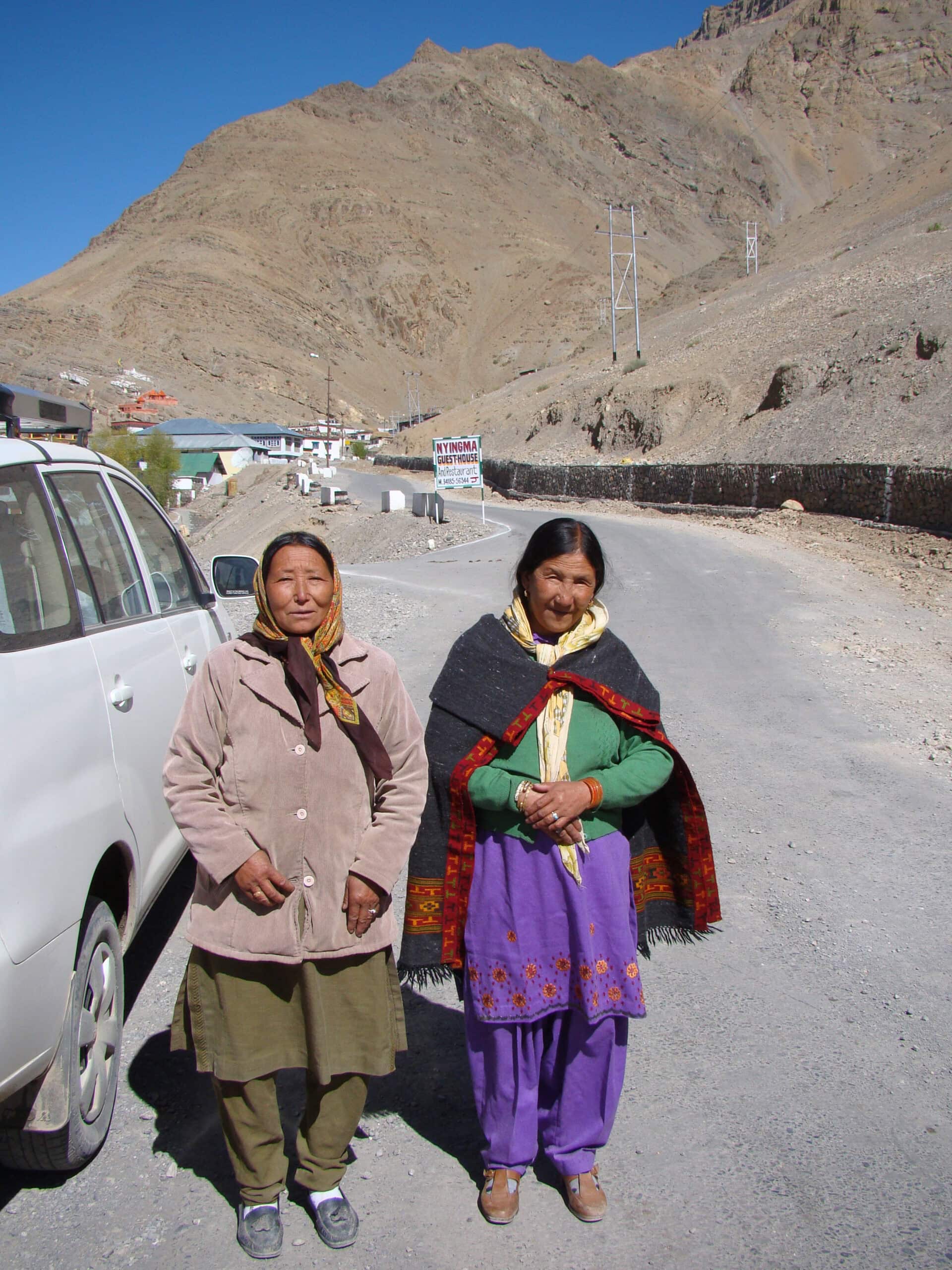
Between Tabo and Kye, in Himachal Pradesh, Rakesh and I picked up two older women who needed a ride to another village. I don’t recall how they flagged us down, but we stopped, they climbed in, and off we went.
The women chatted with Rakesh in Himachali the entire way. I understood practically nothing.
One of them had a plastic bag of nuts, perhaps pistachios, which she was enthusiastically shelling and eating as we bumped along the broken pavement.
And the noises this woman made!
She grunted. Loudly. Not a little grunt of acknowledgment, either. These were enormous, full-bodied grunts that seemed to shake the car. Which is saying something, considering the condition of the road.
Between the grunting came the lip-smacking, the cracking of shells, and a conversation that apparently required no interruption for any of it.
Meanwhile, two apples they’d offered us as thanks were clinging to life on the dashboard, wedged against the windscreen.
Beneath all that noise was a woman with an unmistakable air of kindness. She was genuinely grateful for the ride.
I suspect she never gave us another thought after we dropped her off. Why would she? We were two strangers who happened to be going her way.
Yet here I am, all these years later, remembering her as clearly as some of India’s most famous monuments.
A Morning Outside Delhi
In 2013, I arrived in Delhi with a friend who was visiting India for the first time.
Rakesh had arranged our hotel for the first night. He assured me he had a plan, and I was happy to leave the details to him.
Our flight arrived in the middle of the night. We were so busy catching up during the drive that I paid almost no attention to where we were going.
The following morning, I opened the drapes and stared out at what appeared to be a jungle.
Where on earth had he taken us?
We were somewhere on the outskirts of Delhi NCR, nowhere near the monuments, markets, and familiar neighborhoods I’d come to associate with the city.
We laced up our shoes and went for a walk.
Beyond the hotel grounds, a simple lane wound through a working-class neighborhood. We were the only two white guys in sight.
People were bathing, brushing their teeth on verandas, and coughing up what sounded like the previous day’s pollution. Dishes clattered in kitchens. Children chatted in courtyards as they prepared for school.
Men emerged from their homes in work clothes, carrying tiffins, heading off toward wherever the working day would take them.
Everyone seemed to know exactly where they were going.
Except us.
We had absolutely no idea.
There was no attraction to visit, no guide explaining the significance of what we were seeing, and no reason for anyone to pay us much attention.
It was simply a neighborhood waking up.
I’ve thought about that morning many times since.
Not Every Return Is Better
There’s a danger in returning somewhere you remember fondly. You expect to find the place exactly as you left it.
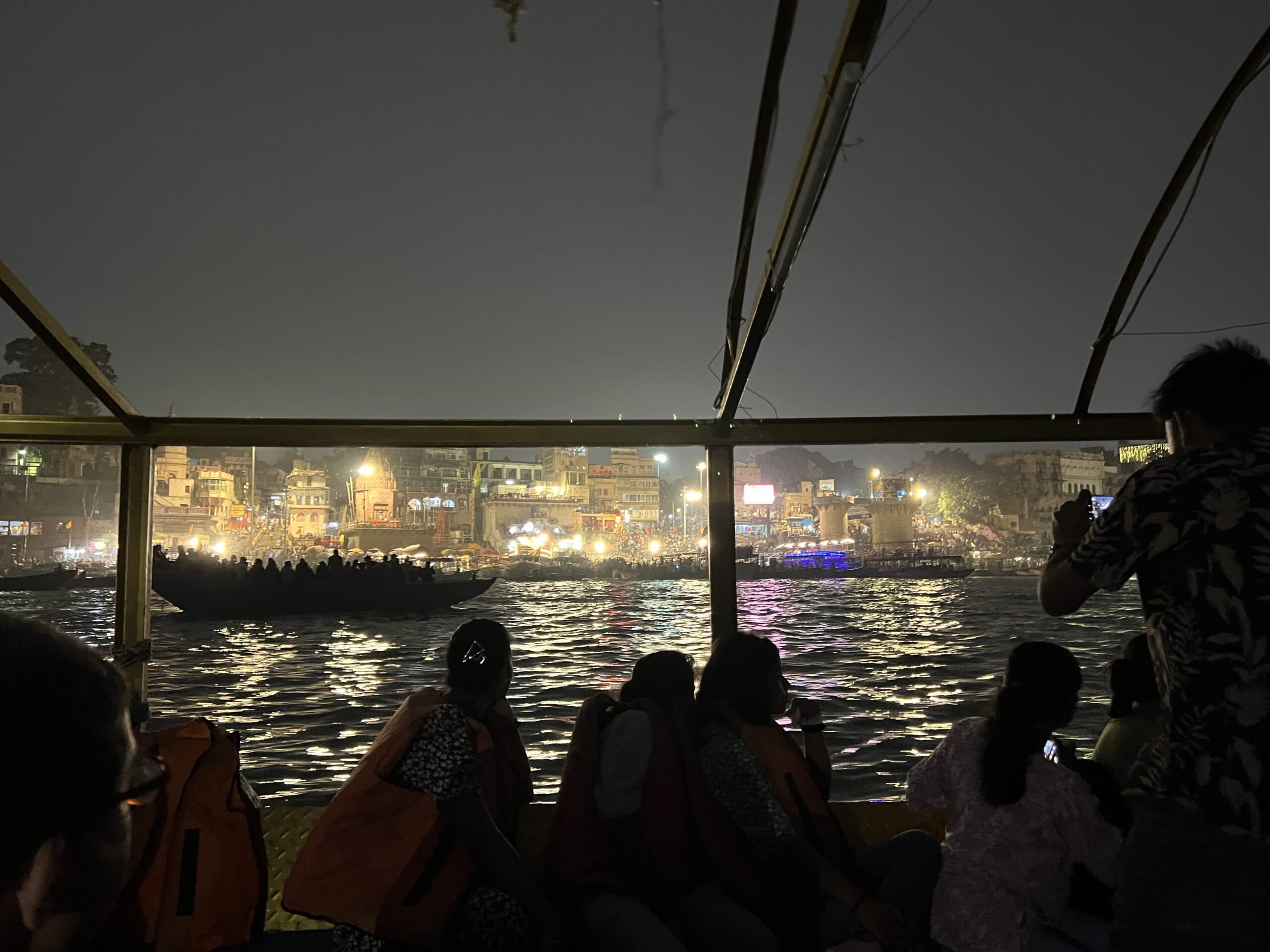
In 2024, I returned to Varanasi after nineteen years away.
I was excited. The city had been one of the defining experiences of my first trip, particularly the evening Aarti ceremony along the Ganges.
What I found was difficult to reconcile with my memories.
The riverfront felt considerably more commercialized. Motorized boats filled the water, their engines adding noise and emissions to an already busy environment. Artificial lighting competed with the atmosphere I’d remembered. The noise pollution was relentless.
Learning to Travel Without Rakesh
My 2024 journey was significant for another reason.
It was my first trip to India in eleven years, and my first without Rakesh.
For nearly two decades, he’d been such a familiar part of my travels that arriving without him felt strange.
This time, I arranged my own airport pickup. I was meeting my Hindi tutor, who had traveled from Punjab, for eight days exploring Delhi and Ahmedabad. He’d already reached our Airbnb in Greater Kailash I by the time my flight arrived.
I met my driver, climbed into the car, and headed toward the apartment.
Everything went smoothly until we arrived and the security guard wouldn’t let us in.
Some negotiation followed.
Welcome back to India.
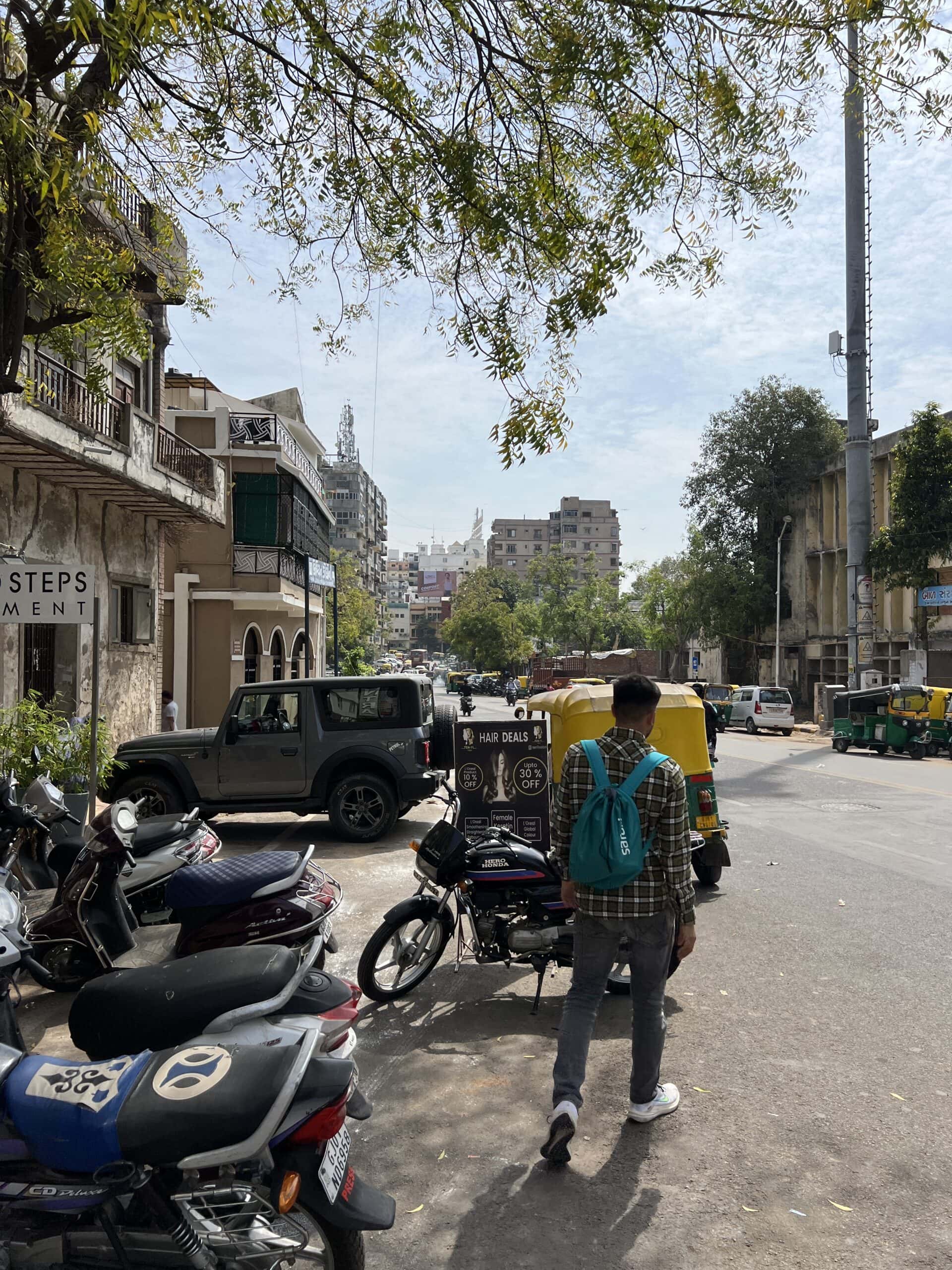
Over the course of that trip, and the journeys that followed, I discovered a different kind of confidence. I learned to use the Delhi Metro, book Ubers, arrange domestic flights, find restaurants independently, and stay in Airbnbs.
My Hindi tutor gave me plenty of space to explore on my own. I was still traveling with someone I knew, but I was making far more of the decisions myself.
It felt wonderful.
Why Do I Keep Going Back?
I’ve asked myself that question more than once.
Travel can be lonely. Even in a country as crowded and stimulating as India, there have been days when I’ve felt isolated, tired, or uncertain about what I was doing there.
Occasionally, my thoughts have gone somewhere less comfortable.
Was I returning because I genuinely loved India? Or was there some element of performance involved? Did I like being the guy who traveled somewhere other people considered unusual? Was it about shock value?
It’s an unpleasant line of questioning, particularly when you’re alone with your thoughts.
And then, almost invariably, something would happen.
I’d meet someone. Have an unexpected conversation. Witness something extraordinary in an otherwise ordinary setting.
A woman returning from a spiritual pilgrimage on a train between Lucknow and Varanasi. Two grandmothers needing a ride through the mountains. A neighborhood outside Delhi waking up for work.
And I’d remember.
The people have always been what bring me back.
I’ve also stopped trying to convince others that India is wonderful.
Years ago, I’d enthusiastically explain the places I’d seen, the food I’d eaten, and the experiences I’d had. I wanted everyone to understand.
These days, when someone hears I’m going to India and responds with a curled lip and an incredulous, “India? Really?” I’m generally out of the conversation.
India doesn’t need me to defend it.
And I don’t need anyone else to understand why I love going there.
For ideas on building a fresh route, see my guide to planning an India itinerary that actually works.
Planning Your Own Return
My advice? Go back. And don’t wait too long.
A year or two gives you time to absorb what you experienced, do some reading, and decide what you want to understand better. Beyond that, life has a habit of getting in the way.
I wouldn’t repeat the same itinerary. On our second trip, we deliberately chose entirely new destinations, and the Himalayas and Golden Temple were every bit as extraordinary as the places we’d seen the first time.
You don’t necessarily need a new traveling companion, either. I once spent three wonderful weeks exploring southern India with a female friend. We traveled well together, understood each other’s quirks, and knew when the other needed space. Two years later, we returned so she could experience the north. It was every bit as enjoyable.
And please, don’t confuse traveling independently with traveling well.
Hire a driver. Work with an agency. Go with someone you trust. I had some of my most memorable experiences because Rakesh was behind the wheel.
Just don’t become a prisoner of your itinerary.
Take a cooking class. Attend a concert. Spend a morning walking through a neighborhood where nobody is expecting tourists. Make time for the people you meet, rather than treating every stop as another attraction to check off.
Some of the best moments won’t be on the schedule.
Coming Home
I’ve been visiting India since 2005, and I still feel as though I’ve barely scratched the surface.
There are entire regions I’ve yet to explore, languages I don’t understand, histories I need to study, and countless ordinary experiences I haven’t had.
I’m more confident traveling there than I was twenty years ago, but I don’t mistake that confidence for knowing everything.
I hope I never stop being curious.
One thing has changed, though.
In 2005, stepping into India was an exhilarating introduction to somewhere completely unfamiliar. I wanted to see everything, taste everything, and understand as much as I possibly could.
Today, when I arrive and step outside the airport, I experience something I never would have expected on that first journey.
Calm.
For all its noise, crowds, contradictions, and complications, India gives me an extraordinary sense of belonging.
I still have no idea what I’ll discover on my next visit.
I only know how good it feels to be back.
I’m home.

 Bringing India Home: The Things We Carry Back
 10 Annoying Things About India and Indians
 Shopping in India: The Things I Bought, the Things I Didn’t, and What I Learned