

After more than twenty years traveling through India, I’ve learned that staying safe has less to do with fearing strangers than with paying attention and trusting your judgment.
I’ve traveled through India for more than twenty years, often independently, and I can count on one hand the times I’ve genuinely felt unsafe. I’ve never had my wallet stolen, been physically threatened, or fallen victim to the familiar street-level scams people warn you about. I’ve met persistent salespeople and almost certainly overpaid for a few things. Neither has kept me away.
I’m also a man, and I know that shapes my experience. Traveling with a female friend opened my eyes to things I had barely noticed before.
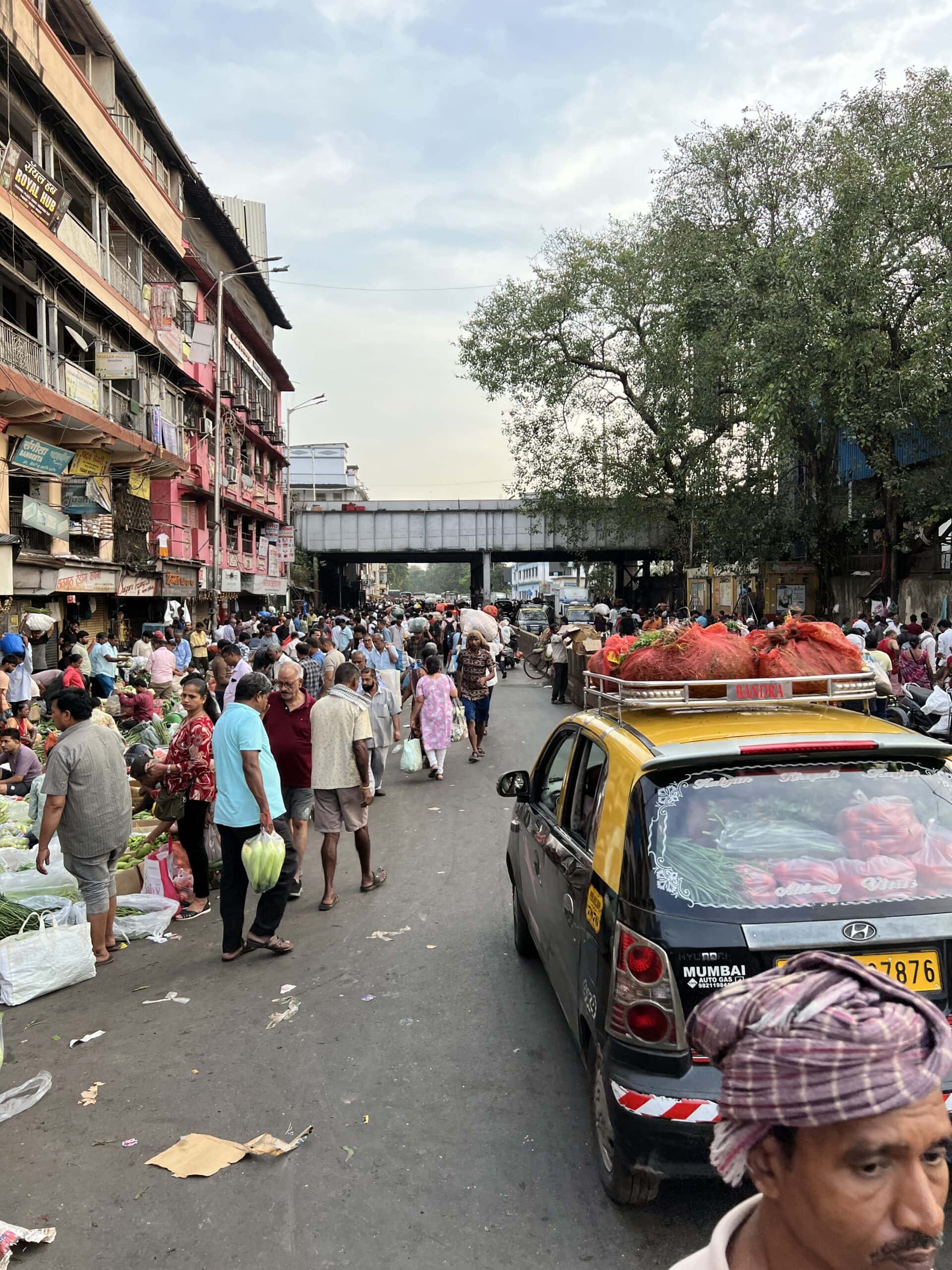
India can be intense, especially on a first visit. Noise, traffic, crowds and unfamiliar routines can make an ordinary day feel overwhelming. But unfamiliar doesn’t automatically mean dangerous. Learning the difference takes time—and sometimes means recognizing when it’s time to leave.
When the Atmosphere Changes
In Bikaner, I was walking with a friend when we heard a loud commotion coming toward us. It was moving quickly, and we couldn’t tell what was happening. We didn’t stop to investigate. We turned on our heels and headed back to the hotel. Later, we heard some sort of protest had taken place. I still don’t know exactly what it was about.
Another time, in Amritsar, we were walking through a busy commercial area when shopkeepers suddenly started pulling down their shutters. Doors slammed. Locks clicked. People hurried away.
At first, we kept walking—upstream, against the flow of people leaving. Then it dawned on us that we were going in precisely the wrong direction.
We tried to get an auto-rickshaw, without luck, and fast-walked out of the city center toward our hotel. Later, we were told that tensions between two groups had escalated and that people carrying knives were reportedly approaching the area. I can’t verify every detail of what we heard afterward. What I do know is that the shopkeepers’ reaction was warning enough.
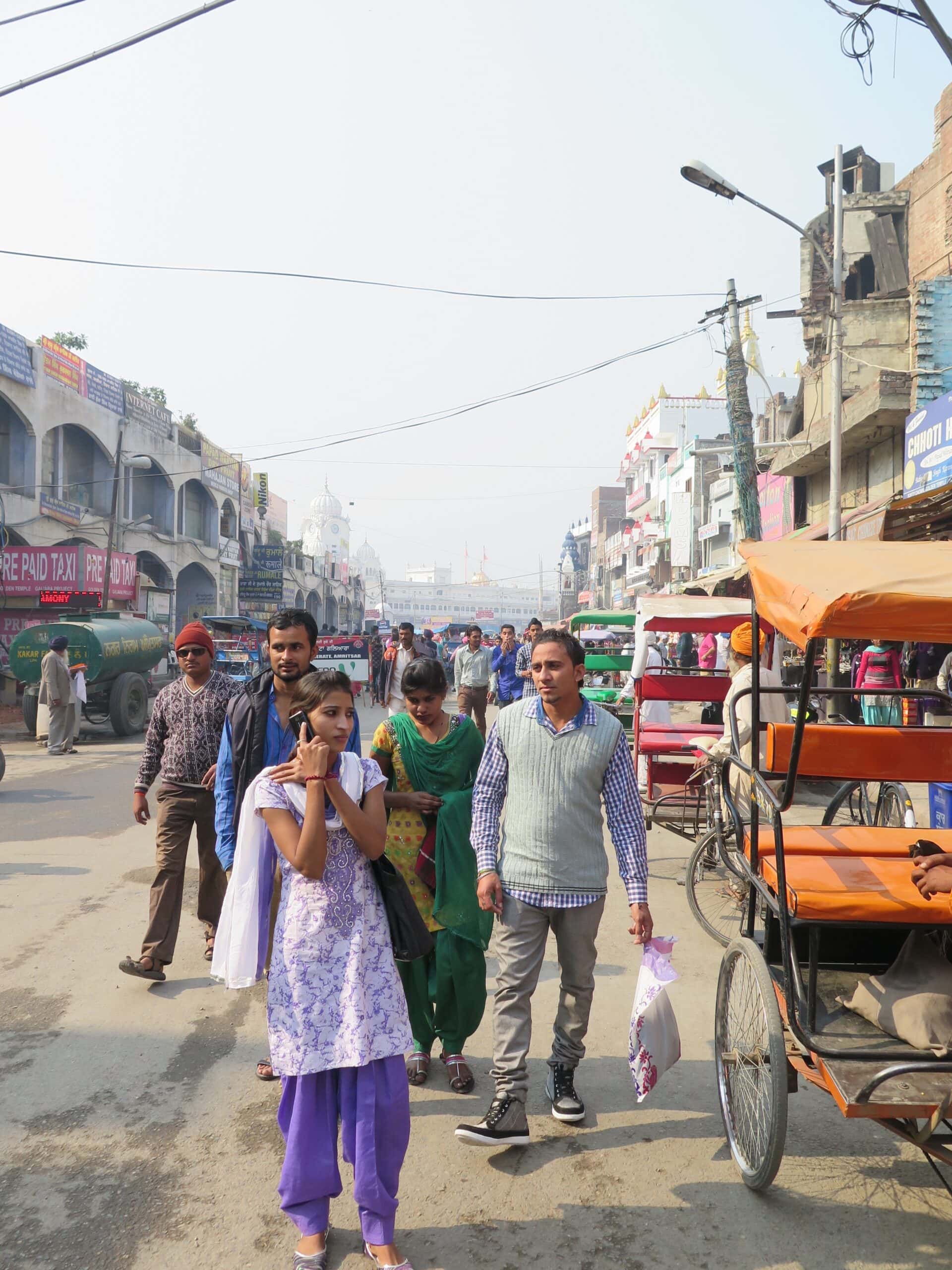
Neither incident turned into anything more serious for us. We left. Sometimes the clearest information isn’t what anyone tells you. It’s what everyone around you suddenly starts doing.
Seeing India Through a Woman’s Eyes
For years, I traveled through India largely unaware of something happening right in front of me. Then I took a trip with a female friend.
When I paid attention to what she was experiencing, I noticed men—shopkeepers in particular—making crude gestures toward her. Not once, but repeatedly, in different cities and different settings. I found it disheartening. I could walk through the same place without receiving that attention, and until then I hadn’t appreciated just how different our experiences could be.
I don’t think it’s useful to tell women simply to be careful, as though responsibility for someone else’s behavior rests with them. But I do think women planning a trip should seek out the experiences and advice of other women who’ve traveled there, particularly independently. They can speak to things I cannot.
One book I’ve read and recommend is Travel Fearlessly in India: What Every Woman Should Know About Personal Safety by J.D. Viharini. It offers a perspective worth considering, especially for a first visit.
Women-driven transportation can be another option. Services such as Sakha Cabs operate in select cities, although routes, service areas and availability should be checked before relying on them. Arranging a trusted transfer for a late arrival, choosing well-reviewed accommodations and knowing whom to call for help can all make a difference.
The Most Expensive Lesson I Learned in Mumbai
One of my most costly travel experiences had nothing to do with pickpockets, taxi drivers or a crowded market. It happened while I was working from a hotel in Mumbai.
I needed to move money for my business and was using the hotel’s Wi-Fi to manage email and payments. An email appeared to come from a company I’d worked with for years, asking me to change where I sent its payments. It seemed legitimate. Looking back, I can’t believe I didn’t verify it.
I changed the ACH information and sent approximately $53,000 across four transactions. Only after the company told me it hadn’t received the money did I realize what had happened.

Fortunately, I reversed three of the four payments. A cybercrime insurance claim recovered some of the fourth. I was still out roughly $5,000.
At the time, I associated the incident with the hotel Wi-Fi. I don’t actually know how the fraudulent message reached me, and I wouldn’t claim the network was the cause. What I do know is that I accepted new banking instructions without independently confirming them.
I wouldn’t do that again. If payment details change, I’d call a trusted contact using a number I already have—not one supplied in the email. I also take secure connections, account protection and multifactor authentication much more seriously when working away from home. This sort of fraud can happen anywhere.
A Few Habits I’ve Developed
For more practical planning, see my independent travel and private drivers in India.
I’m not obsessive about security when I travel. I keep my wallet in my front pocket, pay attention in busy markets and railway stations, and try to understand where I’m going before setting out. I arrange transportation in advance when I arrive somewhere unfamiliar late at night.
I don’t routinely use hotel safes. I’ve even left my passport and computer out in my room without incident. That’s my experience, not a recommendation. Secure your valuables, keep backup copies of important documents and lock your devices. Being fortunate isn’t a security plan.
I also give myself permission to change course. If a street feels wrong, I leave. If a driver makes me uncomfortable, I look for a safe way to end the ride. If people around me suddenly start fleeing or shutting their businesses, I don’t wait for an explanation.
And sometimes nothing is wrong at all—I’m simply overwhelmed. Going back to the hotel for a cup of tea and a quiet hour is perfectly fine.
A Few Numbers Worth Saving Before You Go
I’ve never needed to call any of these numbers, and I hope you won’t either. Still, save them before your trip:
- 112 — Nationwide emergency assistance for police, fire and medical emergencies.
- 1091 — Women’s police assistance helpline, where available.
- 181 — Women’s support helpline; services and availability can vary by state.
- 1363 — India’s multilingual tourist helpline.
India also has dedicated Tourist Police in selected cities and tourist destinations. Their presence varies, so don’t assume there will be a tourist-police officer nearby. If you’re in immediate danger, call 112 first. Official information is available through the Emergency Response Support System and Incredible India.
Save the numbers, know where to find them, and then get on with enjoying India. That’s the point of being prepared.
Don’t Let Fear Become Your Itinerary
It’s easy to find frightening stories about India. Some describe real risks that travelers should understand. Others take one unpleasant encounter and turn it into a judgment about an entire country. Neither extreme is helpful.
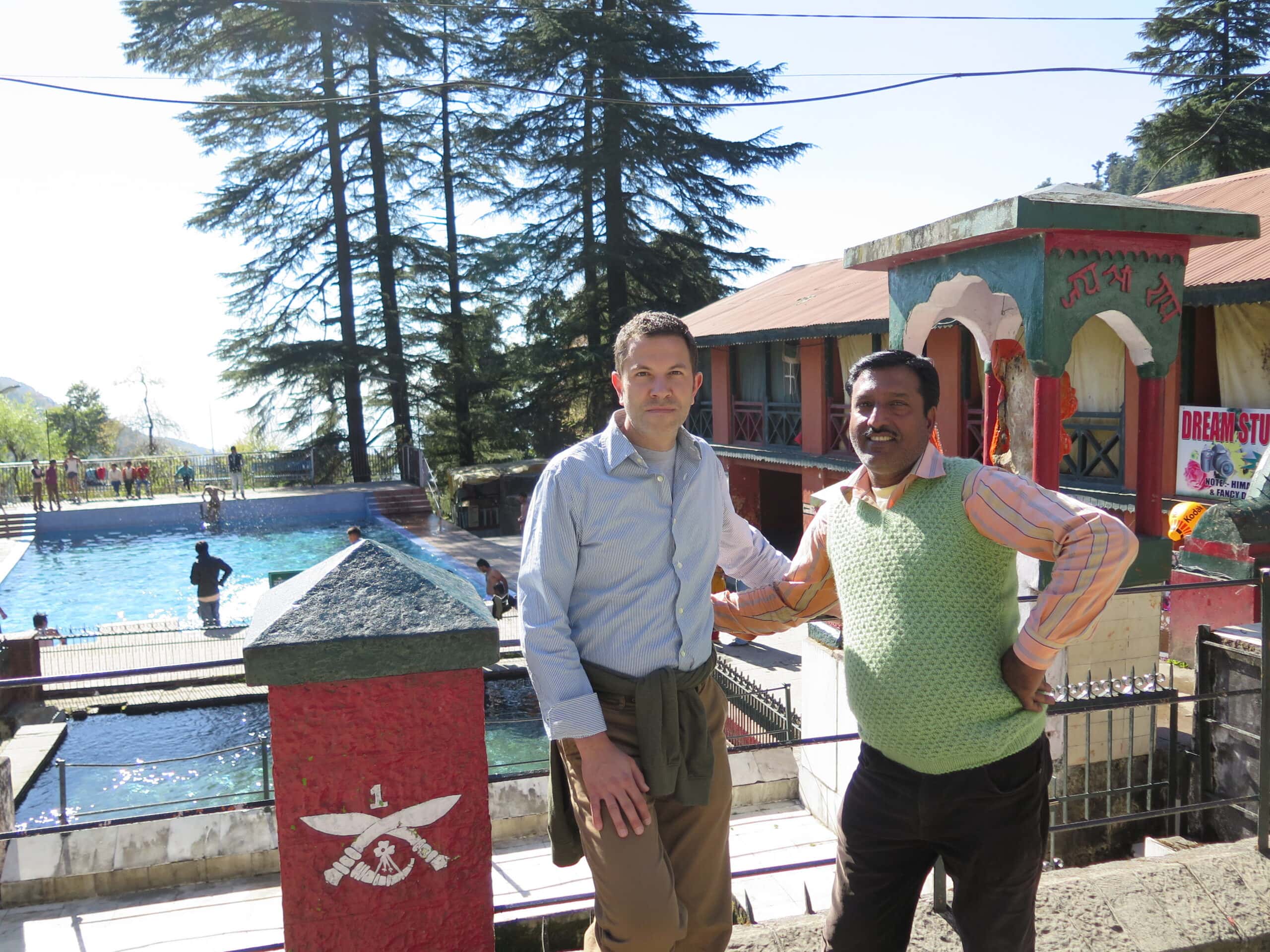
I’ve met countless people who wanted nothing more than a conversation. People who offered directions, shared food, asked questions or welcomed a stranger into their day. Those experiences vastly outnumber the moments when I’ve felt concerned for my safety.
I wouldn’t encourage anyone to ignore their instincts. But I wouldn’t want anyone arriving so suspicious of everyone that they miss the kindness, humor and spontaneous connections that make traveling here so rewarding.
Traveling confidently doesn’t mean assuming nothing bad can happen. It means preparing sensibly, paying attention and then giving yourself permission to enjoy the journey.
India deserves your attention. It doesn’t deserve your fear.

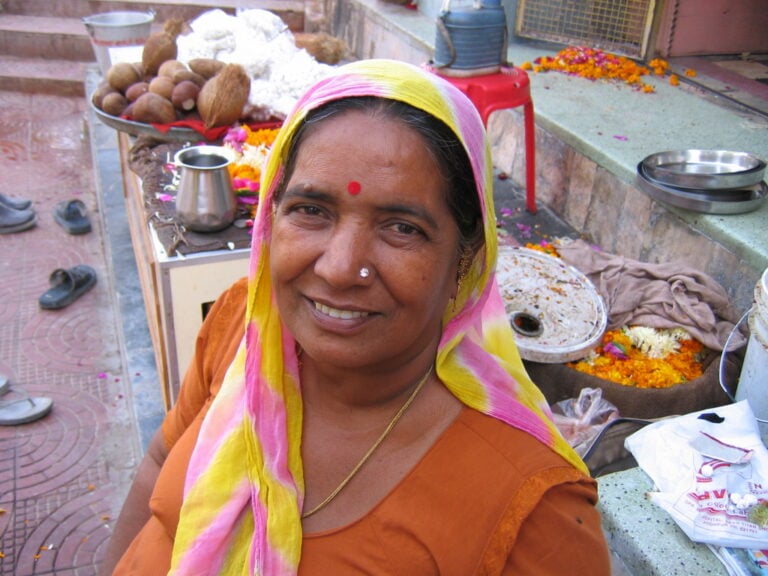 Bindi: What the Dot on the Forehead Means in India
 What Is a Geyser in India? How to Get Hot Water
 How Much Should You Tip in India? A Practical Guide