

India was nowhere on my radar when a friend asked me to join her on a trip in 2004. She had just returned from what she probably imagined would be her one and only visit. Instead, she came home wanting more. Her original travel companion had seen enough of India for one lifetime, so she turned to me.
I was 29. My international travel experience consisted of a high-school trip to Mexico when I was 16. India wasn’t on my list, but I was eager to see the world, and I said yes.
Then I went into fast-and-furious planning mode. I bought guidebooks, read the basics, and left a fair amount to chance. This was before you could research every hotel, street corner, and train connection on your phone. Guidebooks were still the way to find information.
The Moment India Had Me
When we landed in Delhi, I felt the slightest trepidation. I was young, inexperienced, and had very little idea what awaited me. But I vividly remember the airplane door opening and the aroma of India drifting into the cabin. That distinct smell was like a magical elixir. It hooked me right then and there.
I have never forgotten the feeling of being completely and utterly convinced I was supposed to be there.
Maybe that moment placed rose-colored glasses on my head. I spent the next three weeks thinking practically everything I saw was the most amazing thing imaginable. India looked like the guidebooks, yet it was so much more. The colors were more alive. Even faded, soiled clothing on the street seemed richer and more powerful than colors I knew at home. Food was prepared from fresh ingredients. Vegetable sellers called out to households, children played cricket, and car horns supplied a nearly constant soundtrack. Somehow it all felt rhythmic.
You Don’t Have to Figure Everything Out Yourself
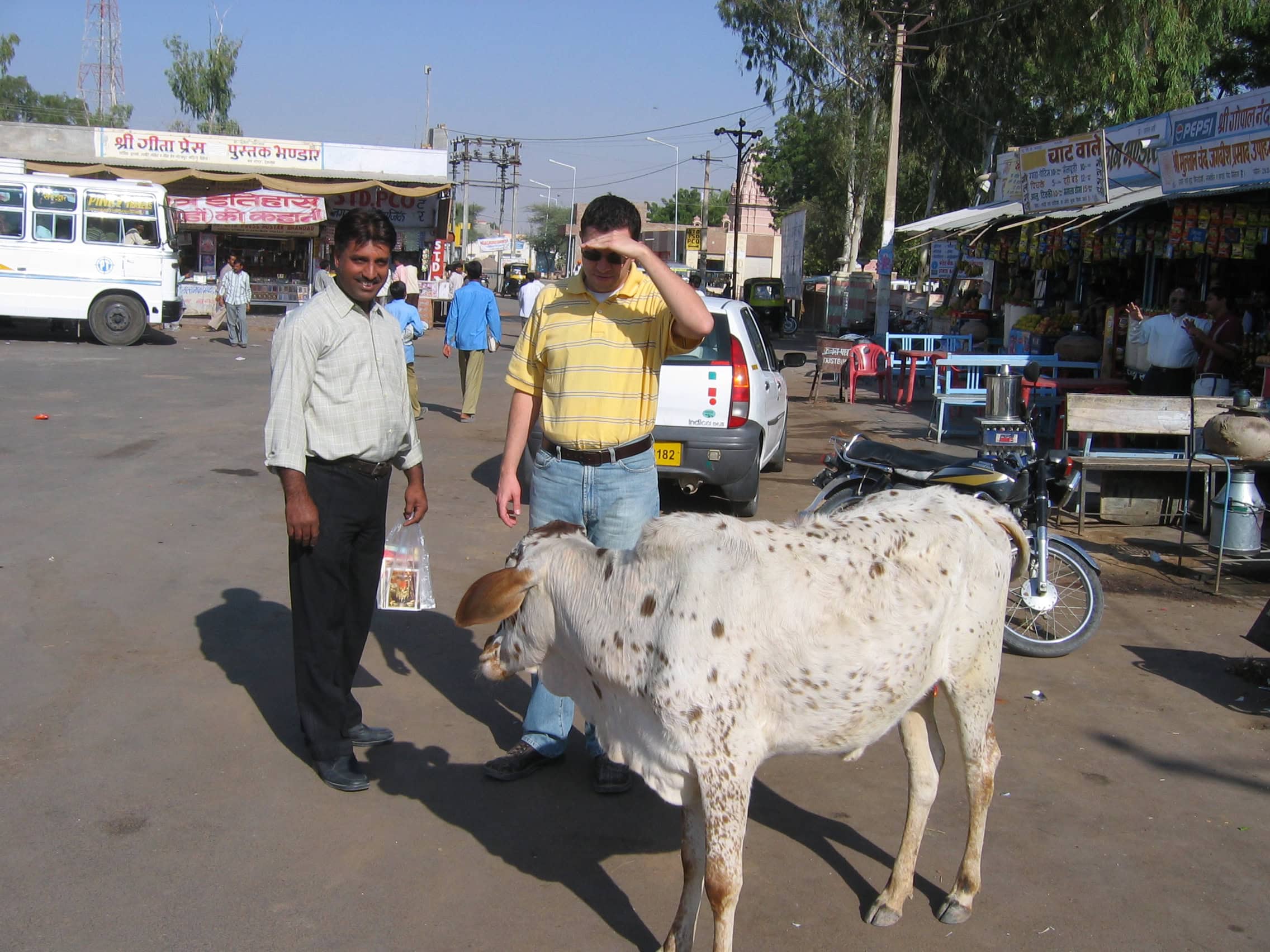
My friend booked the entire three-week journey through the same travel agency she had used before. They handled everything: airport transfers, hotels, monuments, local guides, an internal flight, train tickets, and a car and driver for the trip. All we had to do was show up when and where we were told.
Having an experienced companion made an enormous difference. She knew where we could call home, how to get money, and what to expect. Our driver was even the same one she’d traveled with previously. Back then, before cell phones were part of every journey, we carried printed instructions explaining which airport door to exit, where to wait, and how to find our pickup. Airports can still present logistical challenges today, but imagine arriving without a phone and relying entirely on a sheet of paper.
Had I gone alone, I suspect I still would have had a wonderful trip after finding my bearings. But the agency and my friend allowed me to relax almost immediately. That’s worth remembering if India feels intimidating from a distance.
Three Ways to Travel India
Broadly speaking, I see three styles of travel in India. They’re not rigid categories, and travelers often move between them, but each creates a very different experience.
The independent budget traveler researches online, books a hostel, explores on foot or by auto-rickshaw, and heads onward by bus or train. Some settle into mountain towns for weeks or months, learning the place through conversations and recommendations rather than a fixed itinerary.
The organized group traveler joins a scheduled tour, often on a large coach. The advantages are obvious: transport, accommodation, and sightseeing are arranged. The downside, especially with a group of 40, is that travel can start to feel like a procession from one monument to the next. How much of a guide’s commentary can anyone really hear, let alone remember, from the back of a crowd?
The full-service traveler has a private itinerary with drivers, guides, hotels, and connections planned in advance. That was my introduction to India. It’s comfortable and efficient, although it can also limit discovery if you never think to ask what’s around the next corner.
These are starting points, not personality tests. The important question is how much structure gives you confidence without taking away your curiosity.
What Does “Living Like a Local” Really Mean?
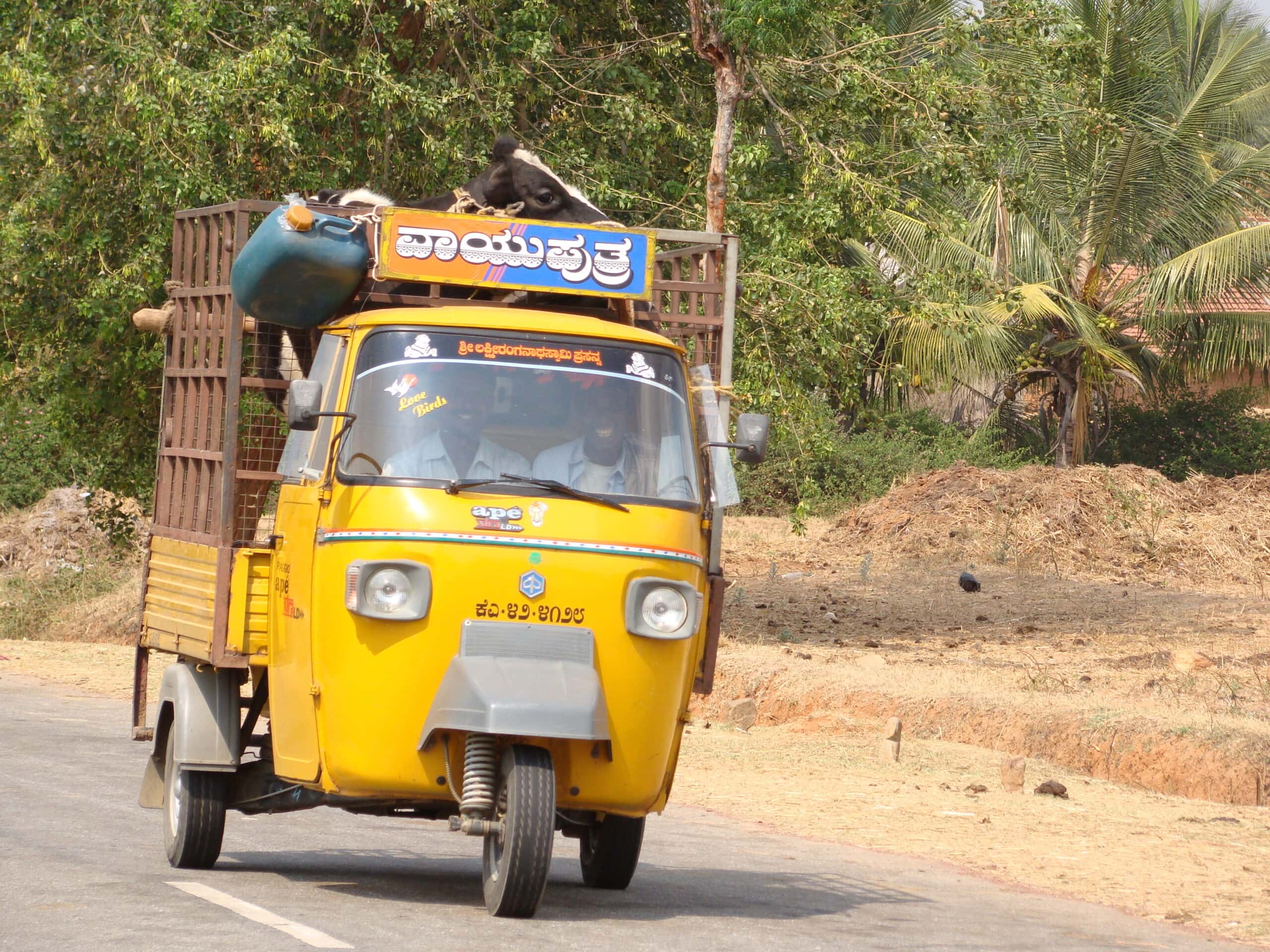
I’ve met travelers who seem determined to prove they’re experiencing a more authentic India than everyone else. Some make a great show of having no itinerary, no rules, and no patience for anyone who travels differently. You hear some variation of “you just don’t get it” often enough.
There’s also a tendency to confuse friendly service with friendship. The shopkeeper, café owner, or guesthouse operator may be warm and generous, but they’re also running a business, supporting employees, and providing for a family. It’s worth recognizing the difference rather than assuming every interaction is evidence of some profound cultural connection.
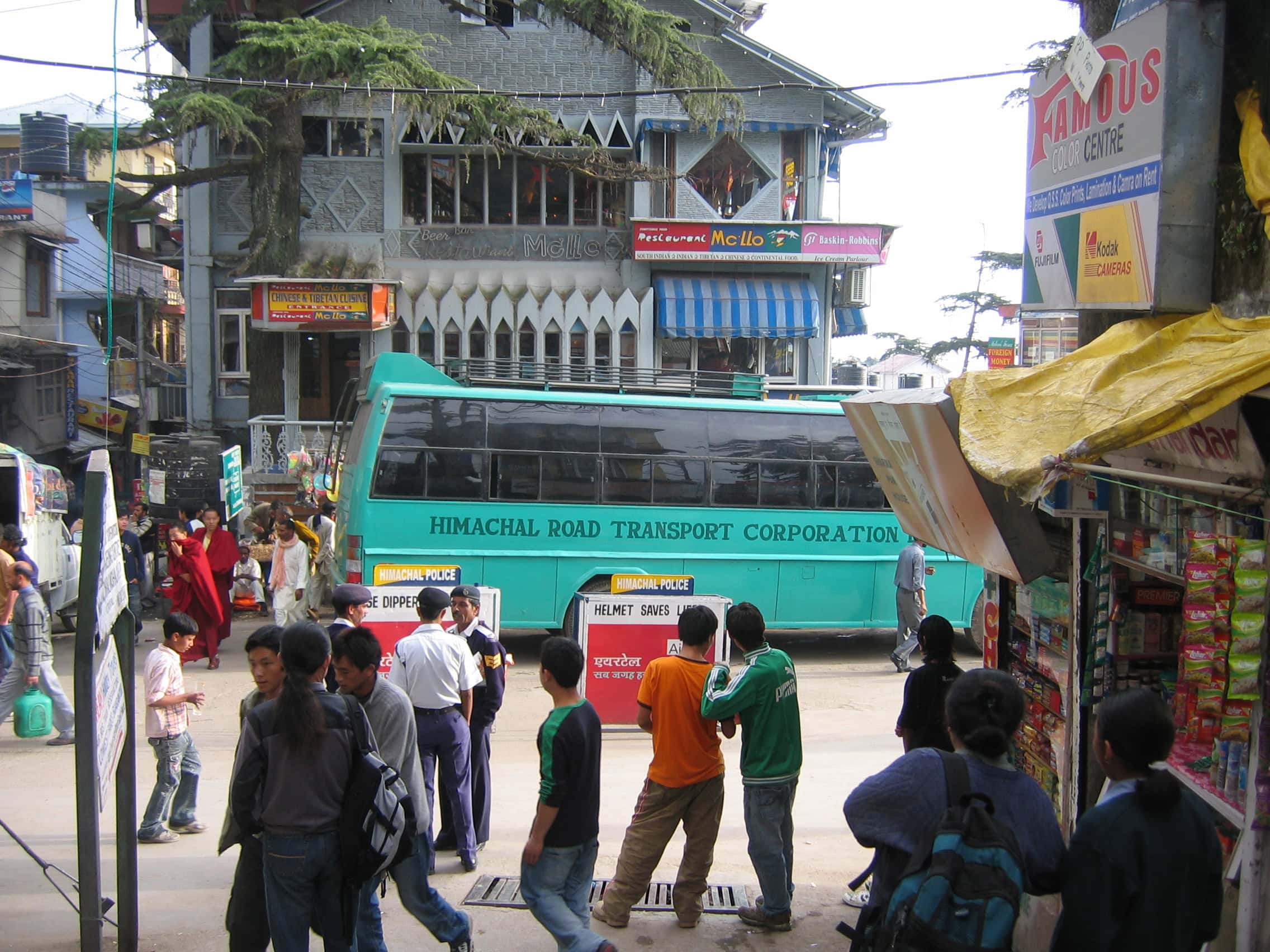
And I remain skeptical of the idea that spending months in a mountain town automatically amounts to immersing yourself in Indian life. Places such as McLeod Ganj and Rishikesh have thriving visitor economies full of espresso bars, yoga studios, pizza, burgers, and Italian restaurants. At times they can feel like a version of Los Angeles transplanted to the mountains. If that’s where you spend your time, what exactly are you seeking—and what are you learning?
I’ve also watched visitors approach local relationships as exotic experiences to collect, without always appreciating the expectations, cultural differences, or personal risks involved. Curiosity is valuable. Treating people as part of the scenery is another matter.
Where Should You Begin: Delhi, Mumbai, or Bengaluru?
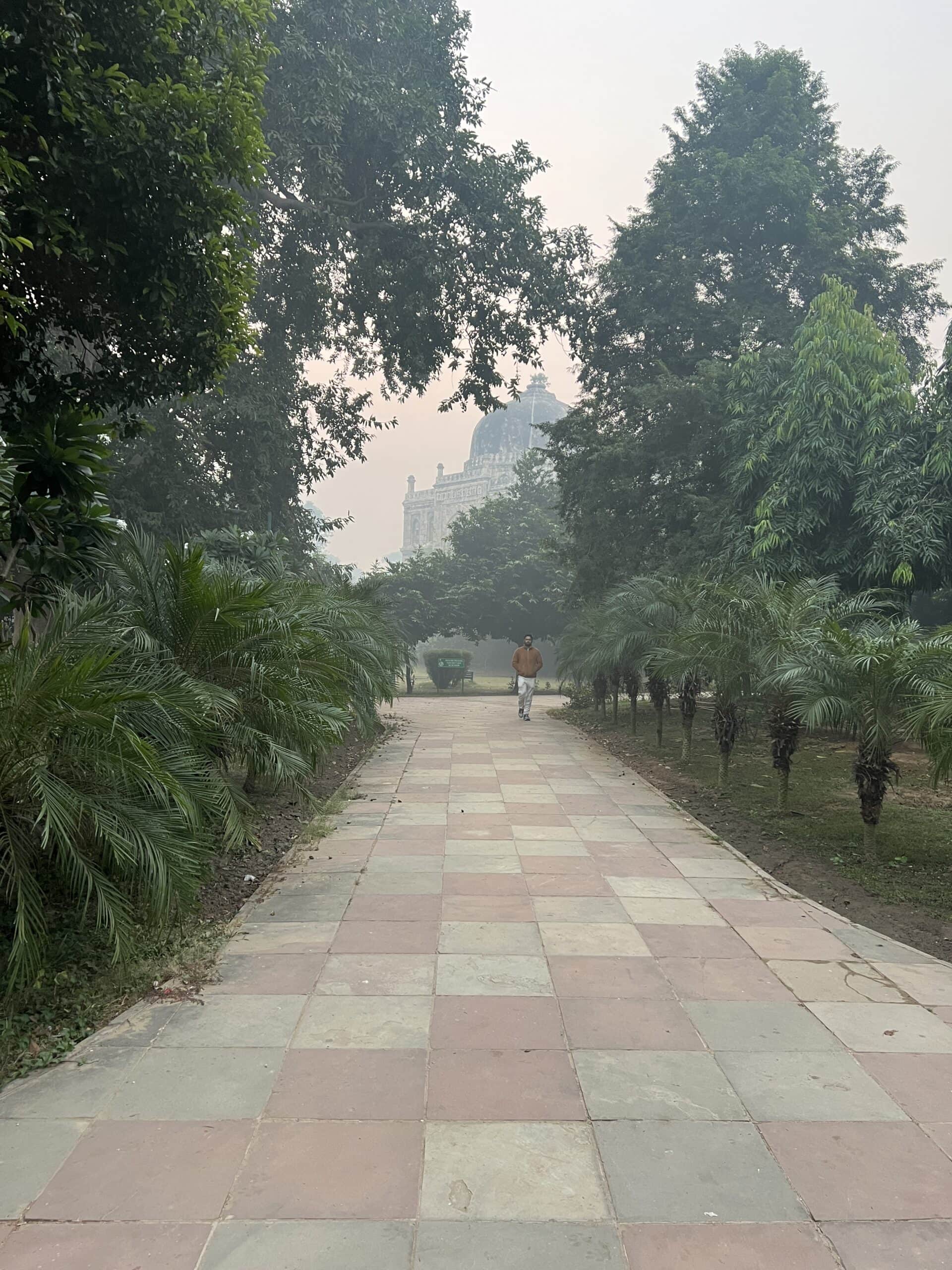
Delhi is my recommendation for many first-time visitors, particularly those planning to explore northern India. It’s enormous, and yes, it can be loud. But it’s also green spaces, history, culture, music, art, excellent food, and the friendships that grow around all of those things. Delhi is the guidebook cover brought to life.
Mumbai is frenetic: loud, fast, exciting, muggy, hot, and sticky. Some people fall in love with its energy immediately; others find it overwhelming. For a first journey, I tend to see it as a strong stop along a broader route rather than the place everyone must begin.
Bengaluru can be easier to slide into. It’s modern, glitzy in places, and surrounded by rewarding excursions to historic sites. It makes sense as a destination within a South India itinerary, or as part of an ambitious four- or five-week journey spanning both north and south.
Be a Guest, Not the Main Character
One of the biggest mistakes I see visitors make is expecting India to operate like home. The street is dirty; they should clean it. The lights are out on a sign; they should replace the bulbs. Crossing the road is difficult; they should make it easier.
That constant “they should” misses something important: you’re a guest in another country. Observe first. Be civil. Try to understand what you’re seeing before deciding how it ought to be changed for your convenience. You don’t have to love every inconvenience, but you also don’t have to make yourself the main character in every situation.
Another personal observation: you don’t need to dress up as your idea of an Indian person to belong. I’ve seen tourists buying kurtas, Punjabi suits, scarves, and other clothing at local markets in an effort to “fit in.” Meanwhile, many younger Indians are wearing jeans, T-shirts, and contemporary fashions. Dressing respectfully matters; dressing as though you’re auditioning for a Bollywood movie is unnecessary. You can appreciate a culture without putting on a costume.
More Than Twenty Years Later, I’m Still Figuring It Out
At 29, I thought everything in India was extraordinary. More than two decades later, I still find it extraordinary—but I’m less interested in declaring that I understand it.
I’m still learning how to build genuine friendships with Indians, how to understand the deeper currents of the culture, and how hardship, opportunity, ambition, and everyday struggles shape people’s lives. India has a huge and fast-changing economy, yet millions of people are still working to secure a living. Those realities exist side by side.
I’m also still asking myself how to take part in the conversation without behaving like an imposter. Perhaps the answer begins with listening more carefully, asking better questions, and resisting the urge to claim expertise simply because I’ve been back many times.
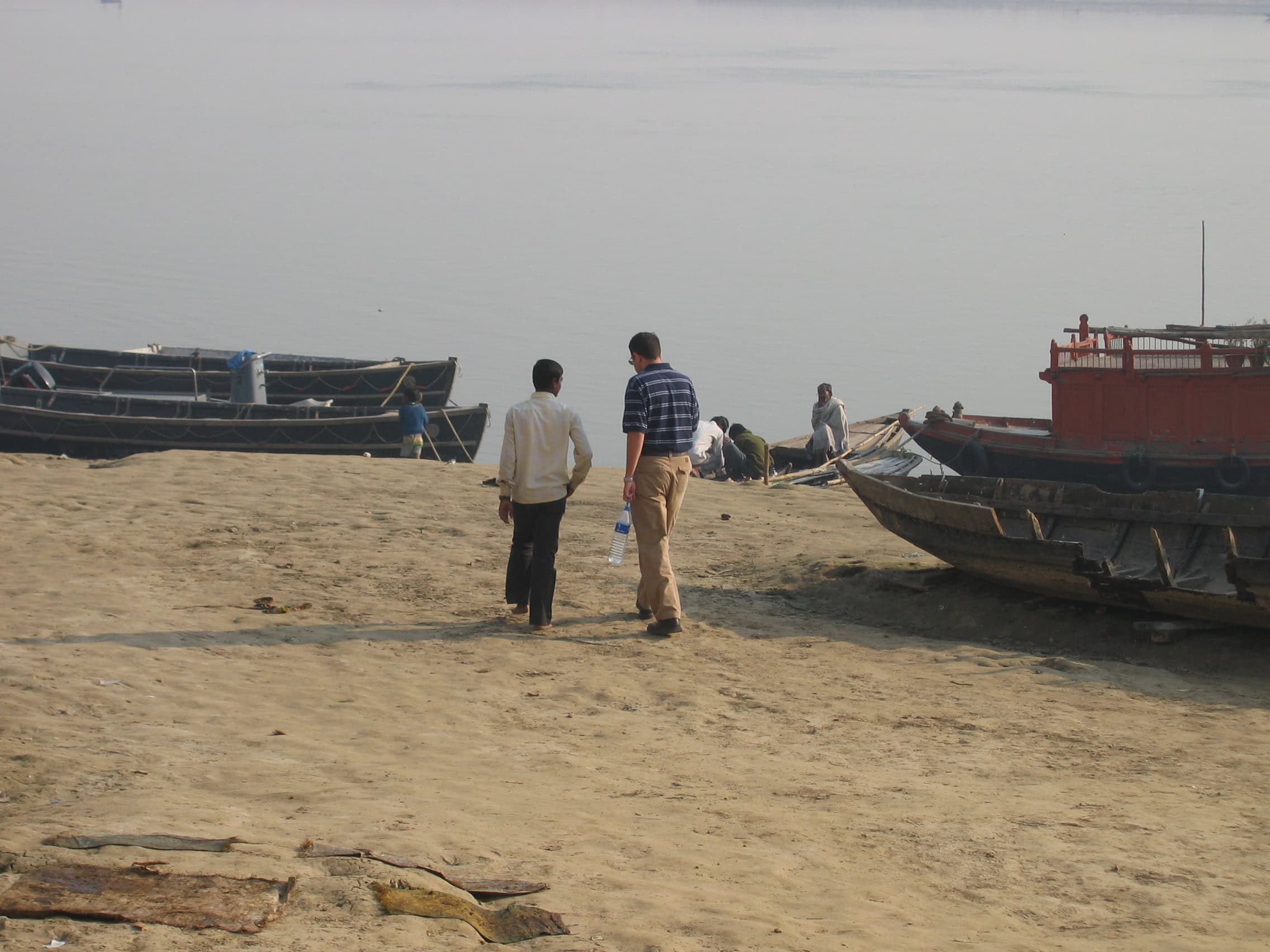
My advice for a first trip is simple: begin somewhere, get the help you need, and leave room for India to surprise you. You don’t need to have the country figured out before you arrive. I certainly didn’t. And I’m glad I didn’t.
For practical planning, start with how many days you really need in India, the best time to visit, and planning an itinerary that actually works.

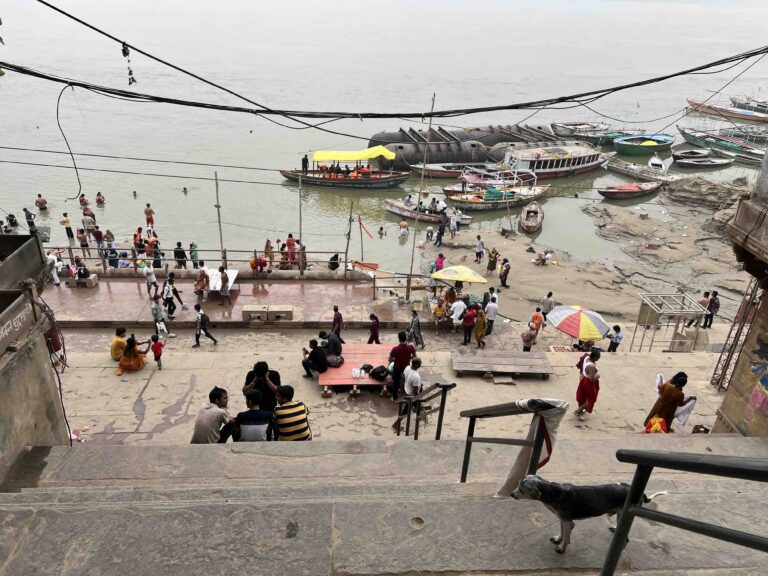 How to Prepare for Culture Shock in India
 Which Airport Should You Fly Into in India?
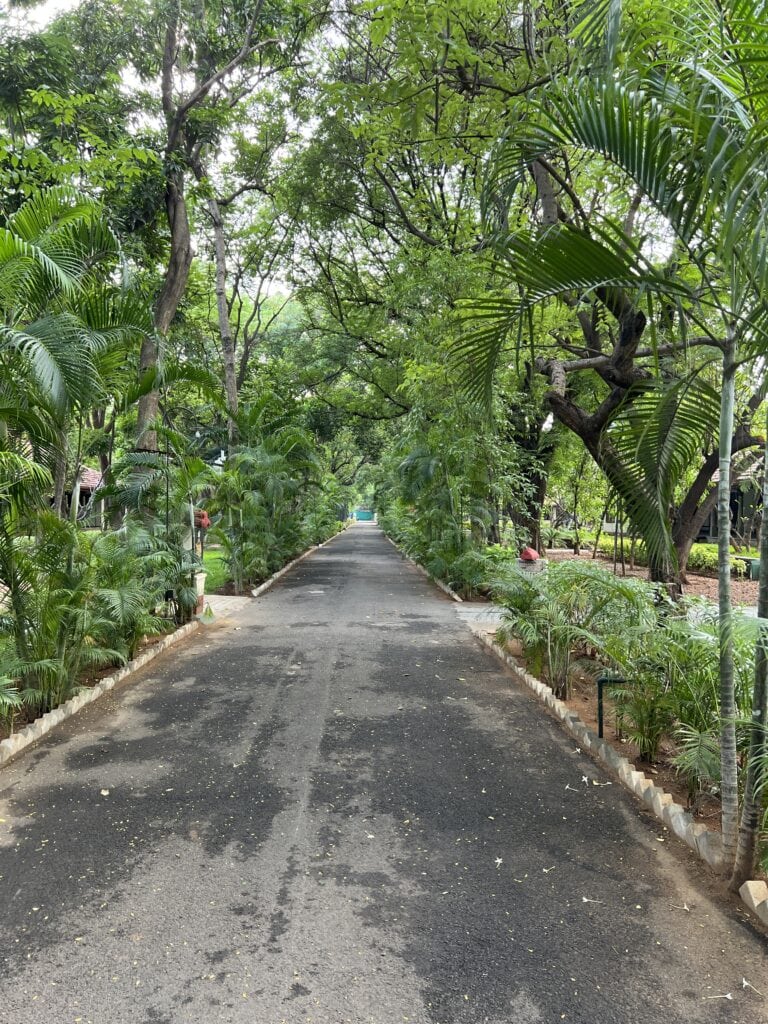 Where to Stay in India: Finding Hotels, Guesthouses & Hidden Gems